

100 Pure Bentonite Clay Factory Price
100 Pure Bentonite Clay – Factory Price
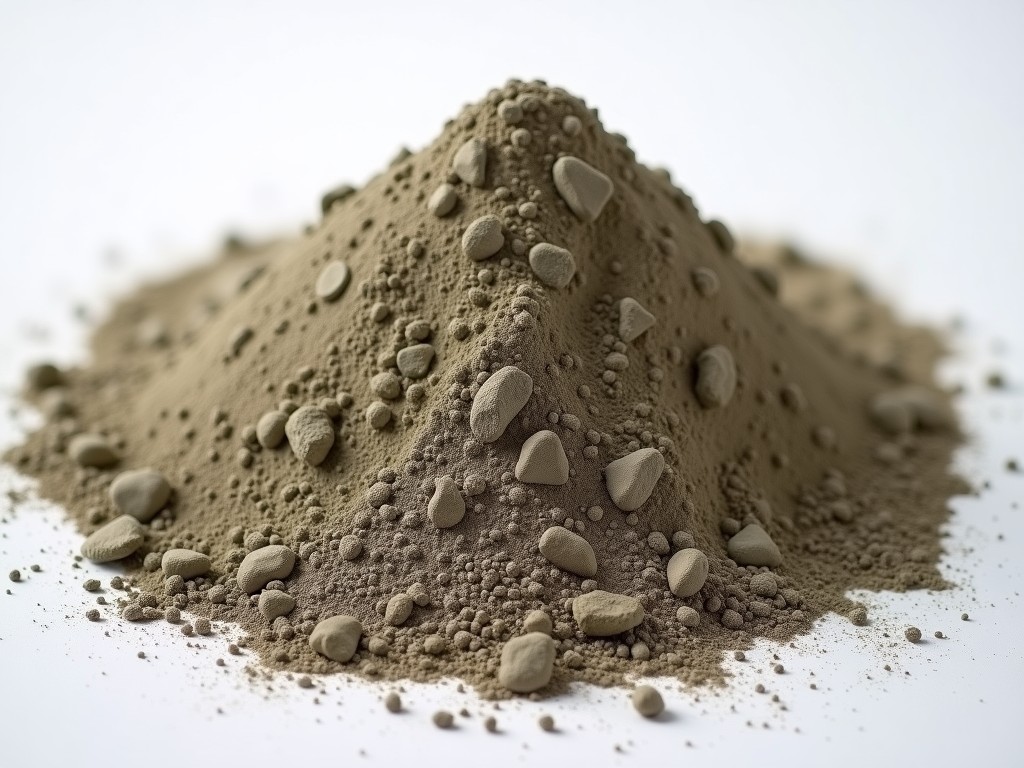
Bentonite is a naturally occurring clay composed mainly of montmorillonite, a smectite mineral characterized by its ability to absorb water and swell. The material offered here is processed to achieve a minimum of 99.5 % montmorillonite content, with the remaining fraction consisting of minor accessory minerals such as quartz and feldspar. This high purity ensures consistent performance in applications that rely on swelling, viscosity, and ion‑exchange capacity.
Technical Specifications
Typical values for the 100 % pure bentonite clay are shown below. Actual values may vary slightly depending on the specific deposit and processing conditions; custom specifications can be arranged upon request.
| Property | Typical Value | Unit |
|---|---|---|
| Montmorillonite content | ≥99.5 | % |
| Cation exchange capacity (CEC) | 80–100 | meq/100 g |
| Swelling index (2 h, distilled water) | ≥15 | mL/2 g |
| pH (10 % slurry) | 8.5–9.5 | – |
| Loss on ignition (LOI, 1000 °C) | ≤12 | % |
| Particle size (d50) | 4–6 | µm |
Primary Applications
The swelling and rheological behavior of bentonite make it suitable for a range of industrial processes. Below are typical uses together with the functional reason the clay is selected.
-
Drilling fluids – provides viscosity control and hole‑stabilization by forming a gel‑like structure that suspends cuttings and seals permeable formations.
-
Foundry sand bonding – acts as a binder that improves green strength and reduces metal penetration due to its plate‑like particles creating a cohesive matrix.
-
Iron ore pelletizing – serves as a binder that enhances pellet strength and reduces dust generation during handling and transport.
-
Cat litter and absorbent products – high swell capacity locks in moisture and odors, while low dust generation improves handling safety.
-
Civil engineering seals – used in bentonite‑based geosynthetic clay liners (GCLs) to create low‑permeability barriers for landfill liners and pond linings.
Quality Control & Testing
Each batch undergoes a series of tests to verify conformance with the specification sheet. Sampling is performed at the silo outlet, and the following methods are routinely applied:
-
X‑ray diffraction (XRD) to confirm montmorillonite phase purity.
-
Cation exchange capacity measured by ammonium acetate method.
-
Swelling test conducted in distilled water at 25 °C for two hours.
-
pH determined on a 10 % w/w slurry using a calibrated glass electrode.
-
Particle size distribution evaluated by laser diffraction.
Test results are recorded and retained for traceability. Any deviation outside the agreed tolerances triggers a hold‑and‑investigation procedure before release.
Packaging & Delivery
The clay is supplied in formats that protect it from moisture uptake during transport and storage. Options can be combined to match project logistics.
-
Multi‑wall paper bags with inner polyethylene liner, net weight 25 kg.
-
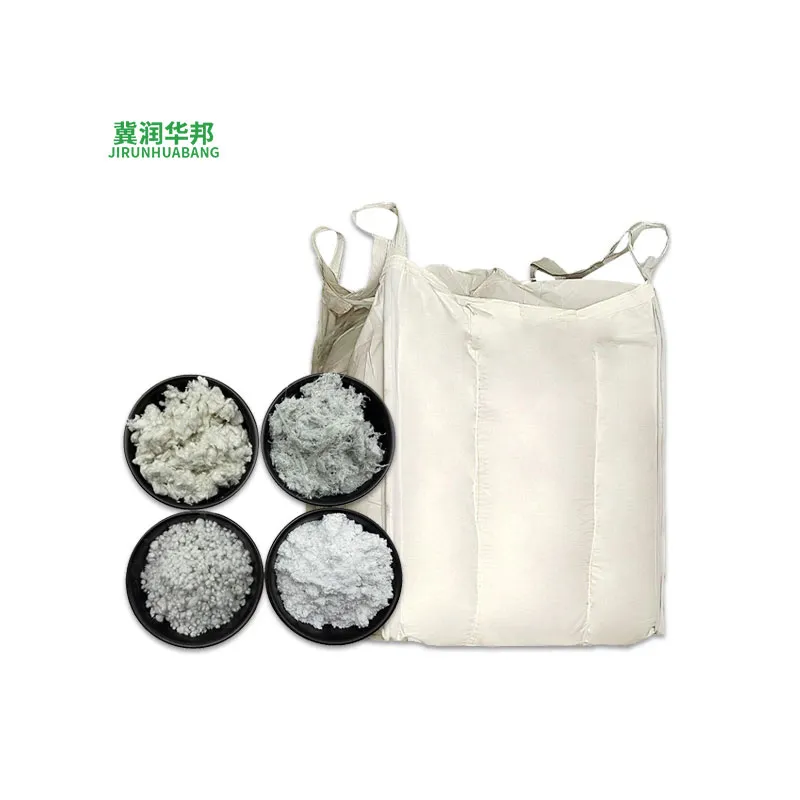
Polypropylene bulk bags (FIBC), capacity 500 kg or 1000 kg, with UV‑stabilized fabric.
-
Loose bulk shipment in covered railcars or containerized bulk liners for volumes exceeding 10 t.
All packages are sealed and labeled with batch number, net weight, and safety information. Lead time for standard packaging is typically 2–3 weeks after order confirmation, subject to production scheduling.
Frequently Asked Questions
-
Can the particle size be adjusted? Yes, milling classifiers can produce finer or coarser grades; specify the required d50 range when requesting a quotation.
-
What information is needed for a price quote? Provide the desired quantity, packaging type, delivery destination, and any special testing or certification requirements.
-
Is the clay suitable for food‑grade applications? The material is not inherently food‑grade; additional processing and certification would be required for direct food contact.
-
How are export shipments protected against moisture? Each bag includes an inner polyethylene liner; bulk bags are equipped with a moisture‑barrier inner layer, and containers are fitted with desiccant packs as needed.
-
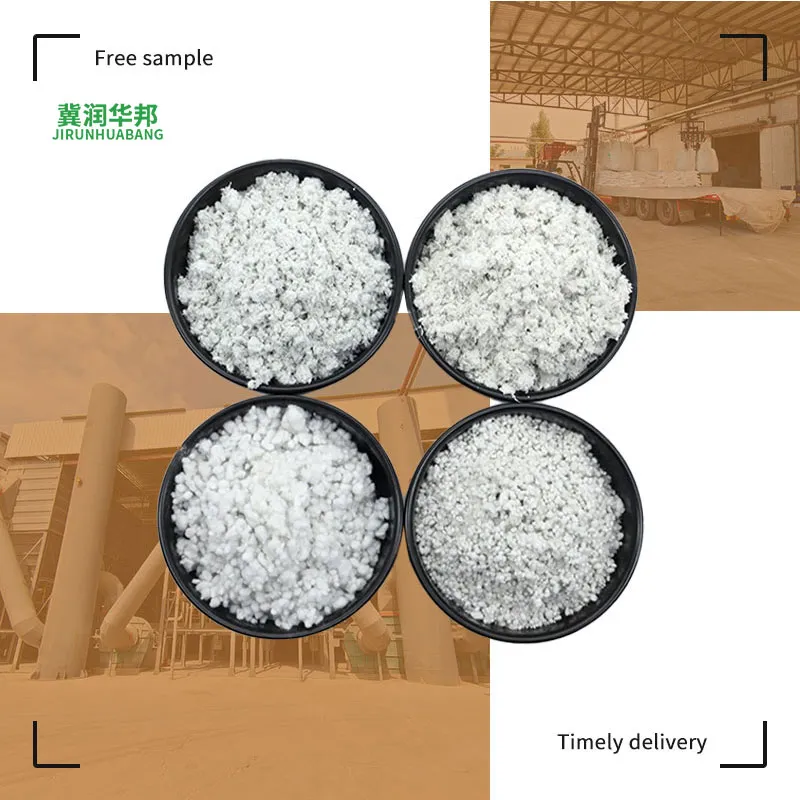
What is the typical lead time for a sample? Samples of 500 g to 1 kg can be prepared within 5 working days after receipt of the sample request.
To obtain a factory‑price quotation, request a sample, or discuss technical details, please contact our sales team.
Request a quotation