
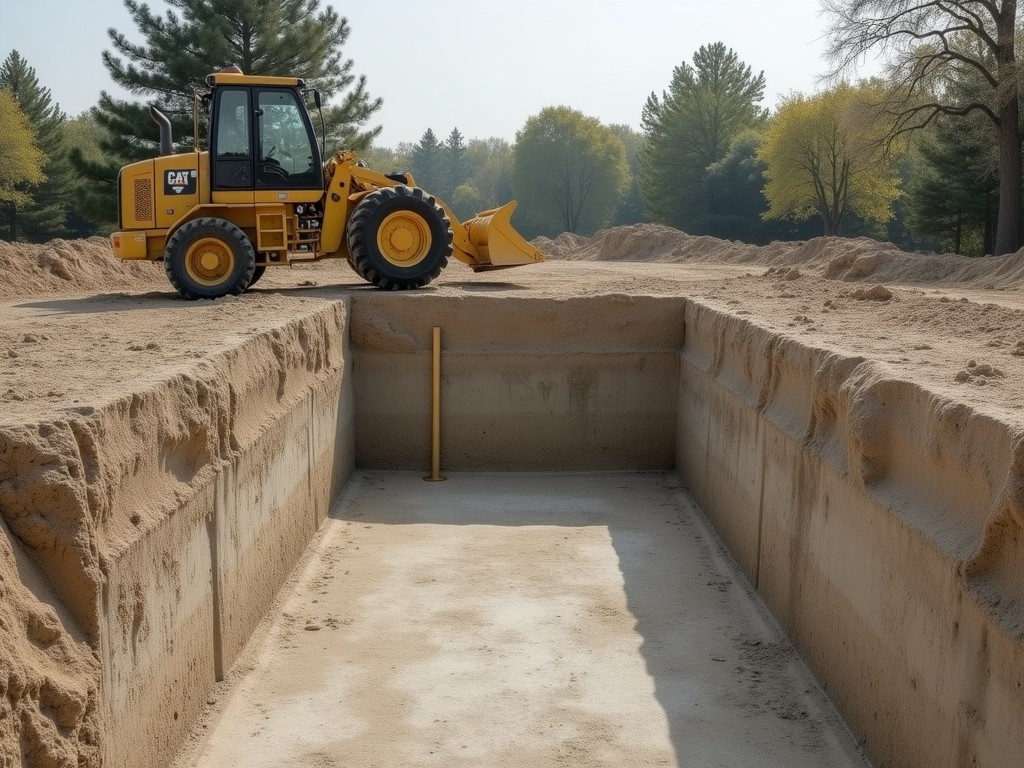
Bentonite Clay Basement Sheet Waterproofing Details
bentonite clay basement sheet waterproofing details
Bentonite clay sheets function as a hydraulic barrier by swelling upon contact with water, forming a low‑permeability gel that seals joints and cracks in below‑grade structures.
Material composition
The core consists of naturally occurring sodium bentonite particles encapsulated between two geotextile layers, typically a non‑woven polypropylene fabric on the top and a woven polypropylene fabric on the bottom.
Typical dry density of the bentonite layer ranges from 0.6 to 0.8 g/cm³, and the sheet thickness after hydration is between 5 mm and 8 mm depending on product grade.
Performance characteristics
Engineers evaluate bentonite waterproofing sheets by hydraulic conductivity, swell capacity, tensile strength, and puncture resistance—parameters that directly affect long‑term durability under hydrostatic pressure.
| Property | Typical value | Test standard |
|---|---|---|
| Hydraulic conductivity | ≤5 × 10⁻⁹ cm/s | ASTM D5890 |
| Swell index | ≥24 mL/2 g | ASTM D5890 |
| Tensile strength (MD/CD) | ≥15 kN/m | ASTM D5993 |
| Puncture resistance | ≥450 N | ASTM D4833 |
| Thickness (dry) | 4–6 mm | Manufacturer spec |
| Weight per area | 0.5–0.8 kg/m² | Manufacturer spec |
Values represent typical ranges for standard grades; specific projects may require tighter tolerances, which are adjustable through formulation or reinforcement selection.
Installation methodology
Proper substrate preparation is critical: the concrete surface must be clean, free of laitance, and level to within ±3 mm over a 2 m span to avoid bridging that could impede uniform swelling.
Sheets are laid with a minimum 100 mm overlap, sealed with bentonite‑compatible adhesive tape or a secondary bead of hydrated bentonite slurry at the joints.
Mechanical fastening or ballast layers (e.g., 50 mm gravel) protect the membrane during backfill and prevent displacement.
Applications and suitability
Basement walls and slabs benefit from the self‑healing nature of bentonite: micro‑cracks that develop during settlement are automatically sealed as the clay rehydrates and expands.
In underground parking structures, the membrane accommodates differential movement between slab and wall without loss of barrier integrity, a property not easily achieved with rigid sheet systems.
Temporary works such as cut‑and‑cover tunnels use bentonite sheets as a quick‑deployable waterproofing layer that can be removed and reused if the project schedule changes.
- Foundations with high groundwater tables
- Retaining walls subject to seasonal water level fluctuations
- Elevator pits and sump chambers where puncture resistance is required
Quality control and testing
Manufacturing follows a continuous extrusion process where bentonite slurry is metered onto the geotextile carrier, ensuring uniform mass per unit area.
In‑process monitoring includes thickness gauges and moisture sensors; finished rolls are sampled per ASTM D5993 for tensile strength and ASTM D5890 for hydraulic conductivity.
Each roll receives a unique identifier linking raw material batch, production date, and test results, providing full traceability for project documentation.
Customization options
While standard rolls are 5.7 m wide and 30 m long, dimensions can be adjusted to suit site logistics and reduce overlap waste.
Reinforcement choices include:
- Non‑woven polypropylene (standard)
- Woven geotextile for higher puncture resistance
- Composite with a thin HDPE film for chemical‑contaminated environments
Additives such as polymer modifiers can be incorporated to lower swell time in cold climates or to increase resistance to hydrocarbon exposure.
Frequently asked questions
- Can dimensions be customized? Yes, width, length, and thickness can be tailored; contact sales with project specifications.
- What information is required before quotation? Required data include area to be covered, expected hydrostatic pressure, substrate type, and any chemical exposure conditions.
- How are samples arranged? Sample rolls (1 m × 2 m) are shipped via express courier; shipping charges are credited against the first order.
- What packaging methods are available? Rolls are wound on rigid cores, wrapped in UV‑stabilized polyethylene, and placed on pallets with corner protection.
- How are export shipments protected? Pallets are strapped, stretch‑wrapped, and fitted with edge boards; container loading follows ISPM‑15 standards.
For a detailed quotation or to discuss site‑specific requirements, please reach out to our technical team.
Request a quote