

Bentonite Clay Bulk Price Per Ton Suppliers
Bentonite Clay Bulk Price Per Ton – Supplier Information
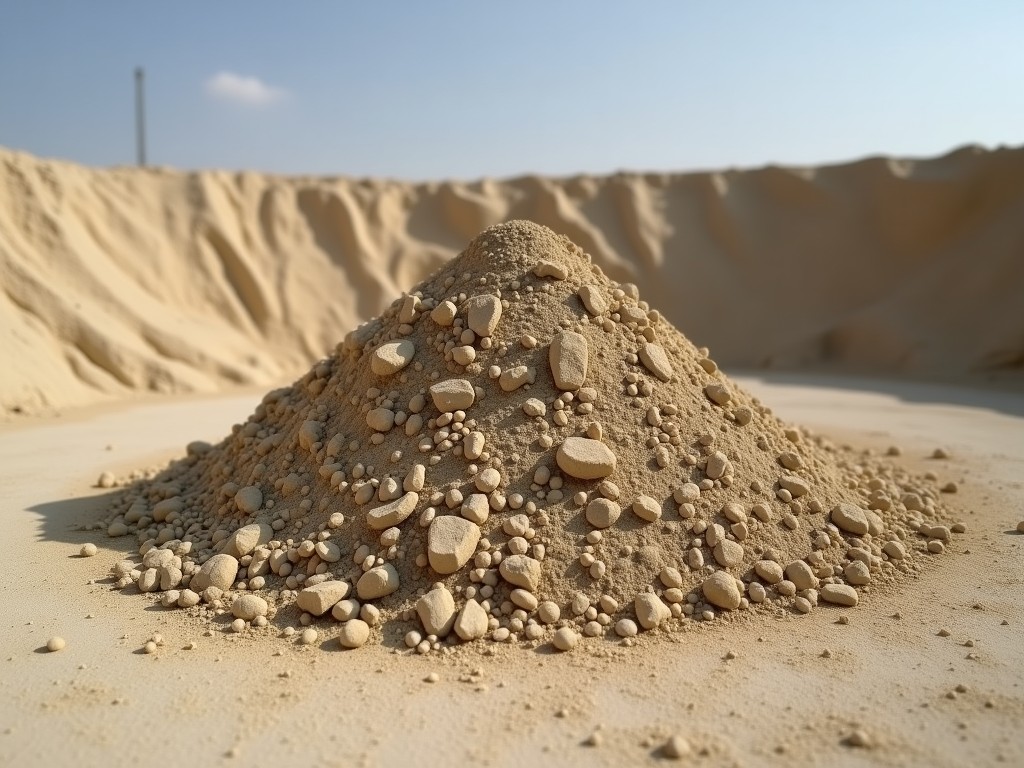
Bentonite is a naturally occurring absorbent aluminium phyllosilicate clay primarily composed of montmorillonite. Its bulk price per ton varies with purity, moisture content, swelling index, and logistical factors.
Material Characteristics
The key performance indicators for industrial bentonite include cation exchange capacity (CEC), typically 70–100 meq/100g; dry bulk density ranging from 0.6 to 0.85 g/cm³; and swelling volume between 12 and 20 mL/2g after hydration in distilled water.
pH of a 5% slurry usually falls between 8.5 and 9.5, reflecting the alkaline nature of the montmorillonite structure. Loss on ignition (LOI) at 1000 °C is generally below 12 %, indicating low organic content.
Typical Specifications
| Parameter | Typical Range | Test Method |
|---|---|---|
| Montmorillonite Content | 70–90 % | X‑ray Diffraction (XRD) |
| Cation Exchange Capacity (CEC) | 70–100 meq/100g | Ammonium Acetate Saturation |
| Swelling Index (ASTM D5890) | 12–20 mL/2g | ASTM D5890 |
| Moisture Content (as‑received) | 8–12 % | Thermogravimetric Analysis |
| pH (5% slurry) | 8.5–9.5 | Electrometric Measurement |
Industrial Applications
In drilling fluids, bentonite provides viscosity control and wall‑building properties; the swelling index directly influences hole‑stability and cuttings transport efficiency.
For foundry molding, the clay’s green strength and hot‑strength are correlated with its montmorillonite fraction and CEC, affecting mold integrity during metal pouring.
In civil engineering, bentonite slurry used for diaphragm walls relies on low permeability (<1×10⁻⁹ m/s) and thixotropic behavior, both functions of particle size distribution and ionic strength.
Bulk Pricing Factors
Price per ton is influenced by:
- Purity grade – higher montmorillonite content commands a premium.
- Moisture level – dryer product reduces shipping weight but may require additional processing.
- Particle size distribution – finer grades for filtration increase milling cost.
- Destination and incoterms – freight, insurance, and handling affect delivered cost.
- Order volume – volume discounts typically start at 20 t increments.
Quality Control & Testing
Each batch undergoes:
- XRD for phase identification.
- CEC measurement via ammonium acetate method.
- Swelling index per ASTM D5890.
- Moisture content by loss on drying at 105 °C.
- pH measurement of a 5% slurry.
Test reports are available upon request and conform to ISO 9001‑based internal procedures.
Packaging & Shipping Options
Standard bulk packaging includes:
- 25 kg multi‑wall paper bags with polyethylene liner (≈40 bags per pallet).
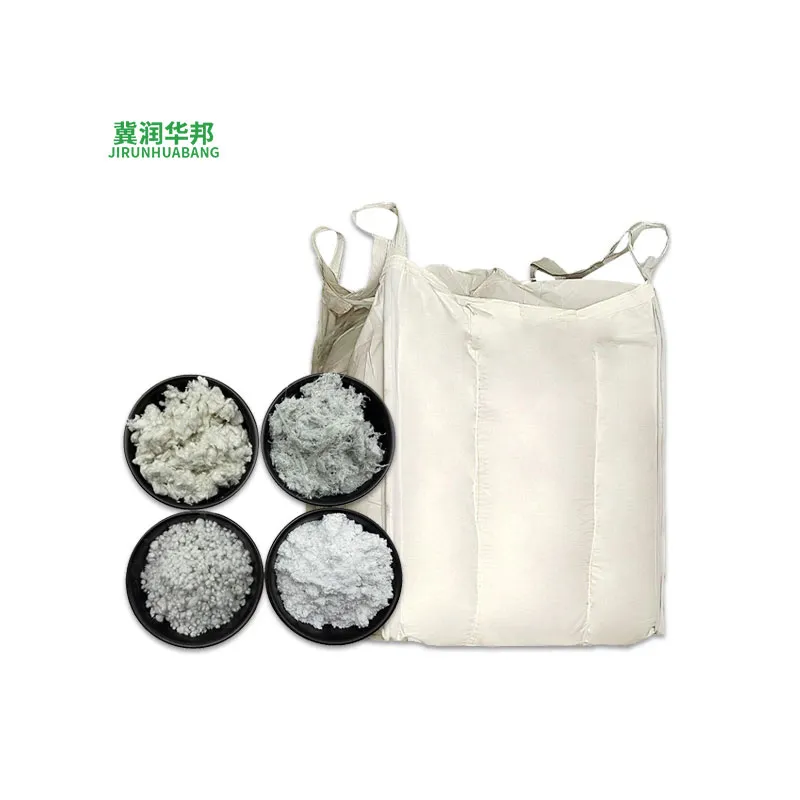
- 500 kg FIBC (bulk bags) with top spout and bottom discharge.
- Loose bulk in covered rail gondolas or containerized bulk liners for >20 t shipments.
All packaging is designed to limit moisture uptake (<2 % increase) during transit and to facilitate easy handling with standard forklift equipment.
Frequently Asked Questions
A: Yes. Milling time, additives (e.g., sodium carbonate), and blending with other clays can adjust rheological properties; specify target values during quotation.
A: Required details include desired tonnage, delivery location (port or inland), preferred packaging, moisture content limit, and any required certification (e.g., API, NSF).
A: Through statistical process control on key parameters (CEC, swelling, moisture) and periodic third‑party audits.