

Bentonite Clay Powder Price Per Kg Factory Price
Bentonite Clay Powder – Factory Price per Kilogram
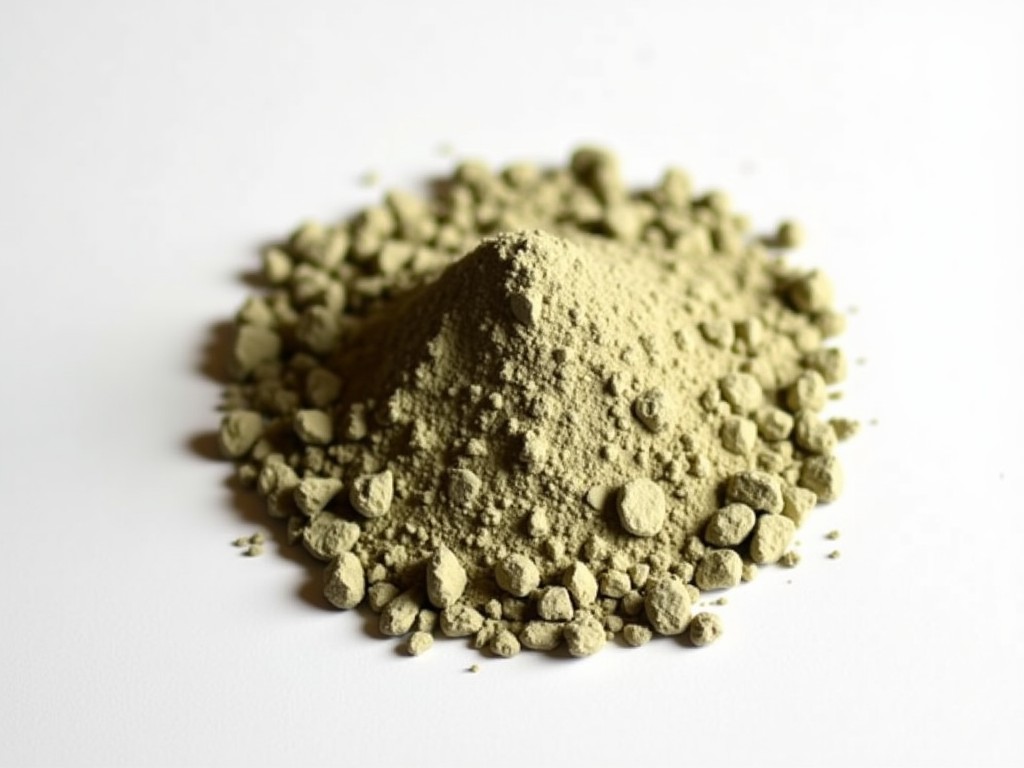
Bentonite is a naturally occurring clay composed chiefly of the smectite mineral montmorillonite, formed from the alteration of volcanic ash in marine environments. Its ability to absorb water and swell makes it valuable in industrial processes that require viscosity control, sealing, or binding.
Chemical Composition
The primary active component is montmorillonite, typically representing 70‑90 % of the dry mass. The remainder consists of quartz, feldspar, calcite, and trace amounts of iron‑bearing minerals that influence color and pH.
Typical loss on ignition (LOI) values range from 8‑12 %, reflecting the amount of bound water and organic matter that volatilizes upon heating.
Physical Properties
Key parameters that affect performance in drilling fluids, foundry sands, and sealants include particle size distribution, specific gravity, swelling capacity, and pH.
| Property | Typical Value | Unit |
|---|---|---|
| Montmorillonite content | 70‑90 | % |
| Particle size (d50) | <75 | µm |
| Specific gravity | 2.3‑2.6 | g/cm³ |
| Swelling index (2 g in water) | 15‑25 | mL |
| pH (10 % slurry) | 8‑9 | – |
| Loss on ignition | 8‑12 | % |
Typical Applications
In oil‑based drilling fluids, bentonite provides viscosity and suspension properties that enable cuttings transport and wellbore stability. Its thixotropic behavior allows the fluid to gel when static and flow under shear, reducing pump pressure.
Foundries use bentonite as a bond additive for green sand molds; the clay’s ability to develop tensile strength after moisture activation improves mold integrity and reduces defects during metal pouring.
Civil engineering projects employ bentonite slurry for diaphragm walls and tunneling, where its low permeability and swelling create an effective water‑cutoff barrier.
Additional markets include cat litter, animal feed additives, and as a clarifying agent in beverages, each exploiting the clay’s adsorption and ion‑exchange capacity.
Pricing Factors
The factory price per kilogram depends chiefly on purity grade, processing level, and order volume. Higher montmorillonite content and lower impurity levels command a premium because they deliver greater swelling and viscosity performance.
Bulk shipments (≥20 t) reduce unit cost through optimized handling and packaging, while smaller lot sizes (<5 t) incur higher per‑kg charges due to bagging and labeling overhead.
Add‑on services such as sieving to a specific particle‑size cut, drying to a target moisture content, or blending with polymers are priced separately and quoted according to the required specifications.
Quality Assurance
Each batch undergoes routine testing to verify compliance with the specifications outlined above. X‑ray diffraction (XRD) quantifies montmorillonite percentage, while laser diffraction measures particle‑size distribution.
Swelling index and pH are determined using standardized ASTM methods (e.g., ASTM D5890 for swelling, ASTM D4327 for pH). Loss on ignition is measured by thermogravimetric analysis at 550 °C.
Inspection reports accompany every shipment, providing traceability from the quarry to the final package.
Packaging & Shipping
Standard packaging consists of 25 kg multi‑wall polypropylene bags with an inner polyethylene liner to prevent moisture ingress. Bags are stacked on pallets and stretch‑wrapped for stability.
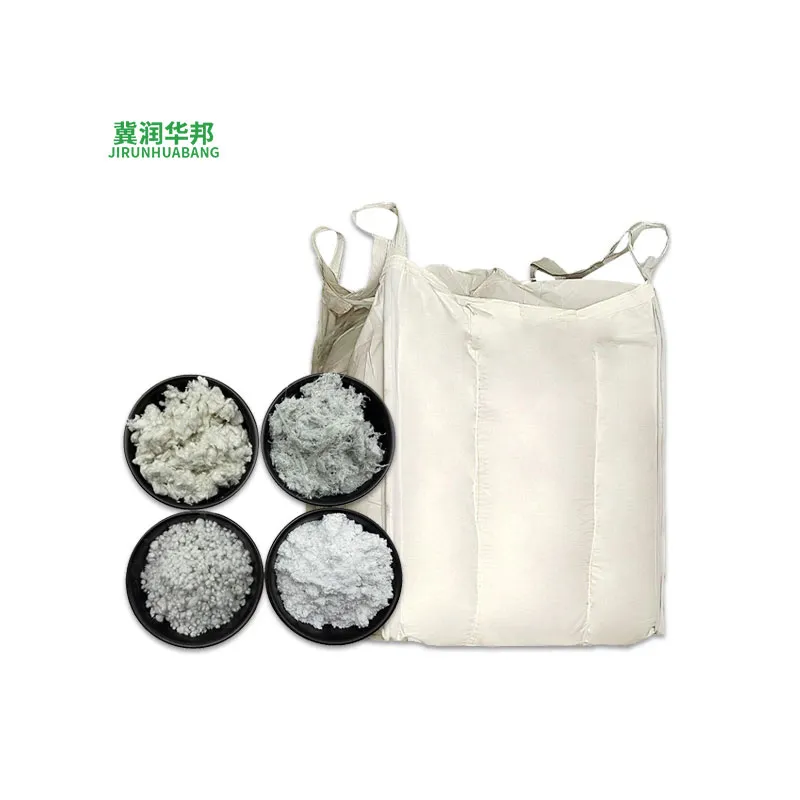
For bulk orders, bentonite can be shipped in 1‑tonne flexible intermediate bulk containers (FIBCs) or in pneumatic tankers, depending on the destination’s unloading facilities.
All export containers are equipped with desiccant packs and sealed with humidity‑indicating cards to ensure the clay arrives within the agreed moisture specification.
Frequently Asked Questions
Yes. Sieving to a specific d50 (e.g., 45 µm or 60 µm) is available as a value‑added service; the adjustment affects both swelling rate and rheology.
Factory‑gate quotes are provided for orders of 5 tonnes or more. Smaller quantities can be quoted upon request, typically with a higher per‑kg rate.
Sample preparation and dispatch usually take 3‑5 working days after receipt of the request, shipped via express courier.
To generate an accurate price, please advise the required montmorillonite content, moisture level, particle‑size range, packaging preference, and estimated annual volume.
For a detailed quotation or technical discussion, please contact our sales team.
Request Quote