

China Bentonite Powder Manufacturing Process
Bentonite Powder Manufacturing Process – Technical Overview
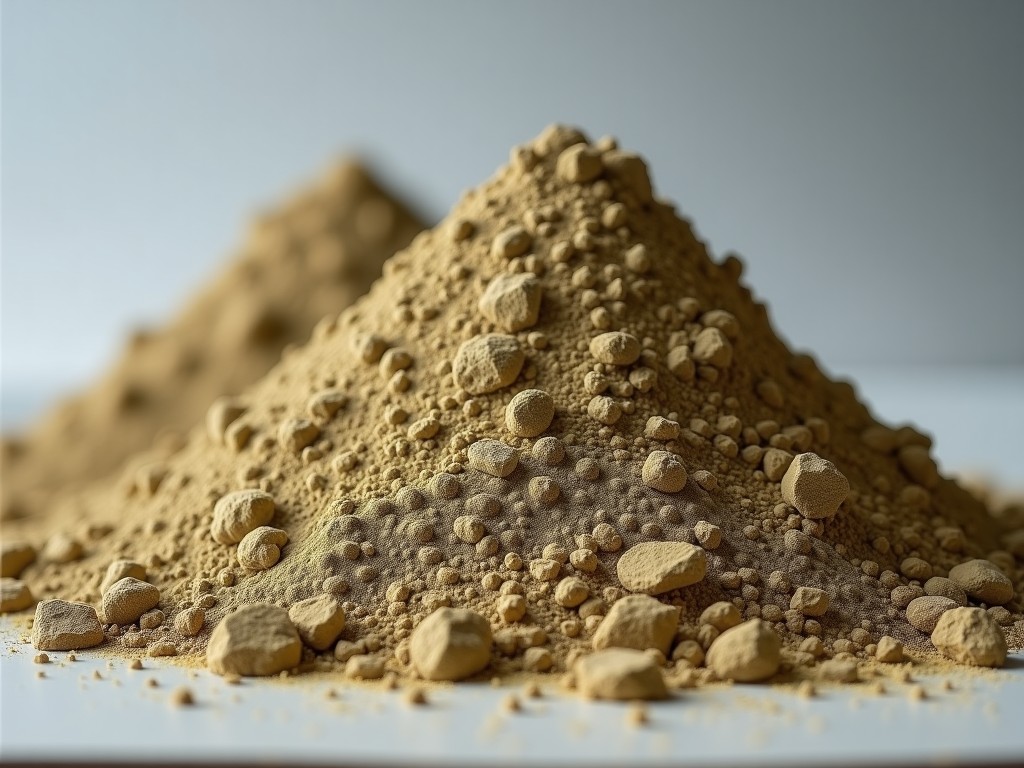
Bentonite is a naturally occurring clay primarily composed of montmorillonite, valued for its high swelling capacity, cation exchange capacity, and thixotropic behavior. The manufacturing process transforms raw bentonite ore into a consistent powder suitable for industrial applications such as drilling fluids, foundry binders, and environmental seals. Understanding each step helps procurement engineers assess product consistency, performance variability, and supply chain reliability.
Raw Material Selection and Pre‑Treatment
Deposits are evaluated for montmorillonite content, impurity levels (e.g., quartz, feldspar), and moisture variability. Core sampling and X‑ray diffraction analysis guide the selection of blocks that meet target specifications for swell index (>24 mL/2 g) and pH (8‑10). Selected ore undergoes primary crushing to reduce particle size below 50 mm, followed by secondary grinding to achieve a feed size suitable for downstream drying.
Manufacturing Process Flow
After crushing, the material is fed into a rotary dryer where inlet temperatures of 250‑300 °C reduce moisture from ~25 % to below 8 % to prevent clogging in milling equipment. The dried granules then pass through a high‑speed impact mill equipped with air classification, producing a powder with a d50 typically ranging from 2 µm to 15 µm depending on mill speed and classifier settings. Fine particles are collected via cyclone separators and bag filters, while oversized fractions are recycled to the mill inlet.
Optional surface modification steps—such as sodium activation or polymer coating—are performed in a continuous mixer where reagents are sprayed onto the powder under controlled humidity (40‑50 % RH) to enhance specific properties like fluid loss control or thermal stability. The final product is conveyed to a screening station where vibratory sieves remove agglomerates, ensuring a uniform particle size distribution before packaging.
Quality Control and Testing
In‑process monitoring includes real‑time moisture sensors at the dryer exit and laser diffraction analyzers after milling to detect shifts in particle size. Each batch undergoes laboratory testing for swell index, fluid loss, viscosity (at 30 °C, 600 s⁻¹ shear), and pH according to API 13A or ISO 13500‑2 standards. Results are logged in a traceability system linking raw material lot numbers to final packaging codes.
Typical Specification Table
| Parameter | Typical Range | Test Method |
|---|---|---|
| Montmorillonite Content | 70‑90 % | X‑ray Diffraction |
| Swell Index (2 g, 24 h) | 24‑30 mL/2 g | API 13A |
| Fluid Loss (30 min) | <15 mL | API 13A |
| pH (10 % slurry) | 8.0‑10.0 | ISO 4310 |
| Moisture Content | <8 % | Thermogravimetric Analysis |
| Particle Size d50 | 2‑15 µm (adjustable) | Laser Diffraction |
Industrial Applications and Performance Rationale
In oil‑based drilling fluids, bentonite’s thixotropic viscosity provides hole‑cleaning ability while its fluid loss control minimizes formation damage; the swell index directly correlates with seal effectiveness in borehole walls. Foundry operations rely on the powder’s green strength and hot‑wet tensile properties to maintain mold integrity during metal pouring, where a consistent montmorillonite content reduces defects such as veining or sand expansion. Environmental liners benefit from low permeability and high cation exchange capacity, which immobilize heavy metals; laboratory leaching tests show that a pH > 8 enhances immobilization efficiency for chromium and lead species.
Cat litter formulations exploit the rapid clumping behavior driven by sodium‑activated bentonite, where a swell index above 28 mL/2 g yields firm aggregates that simplify waste removal. The ability to tailor particle size distribution allows manufacturers to balance dust reduction with clump strength, a trade‑off quantified by measuring airborne particulate levels (<0.5 mg/m³) versus clump hardness (measured in kPa). Each application thus maps a specific set of measurable characteristics to performance outcomes, enabling precise specification setting.
Customization Options
Customers may request adjustments to moisture content (target 4‑6 % for extrusion processes), surface treatment with polymers such as polyacrylate for enhanced fluid loss control, or calcination to produce a bleached, low‑iron product for cosmetic grades. Particle size can be shifted toward finer fractions (d50 < 5 µm) for nano‑composite reinforcement or coarser grades (d50 > 20 µm) for gravity‑based separation aids. All customizations are validated through the same QC protocol to ensure batch‑to‑batch repeatability.
Frequently Asked Questions
What information is required before a quotation?
To generate a accurate quote we need the intended application, required swell index or fluid loss limits, desired particle size range, any surface modification preferences, and the estimated annual volume. Providing these details allows us to align raw material selection and process parameters with your performance targets.
Can the product be supplied in different packaging formats?
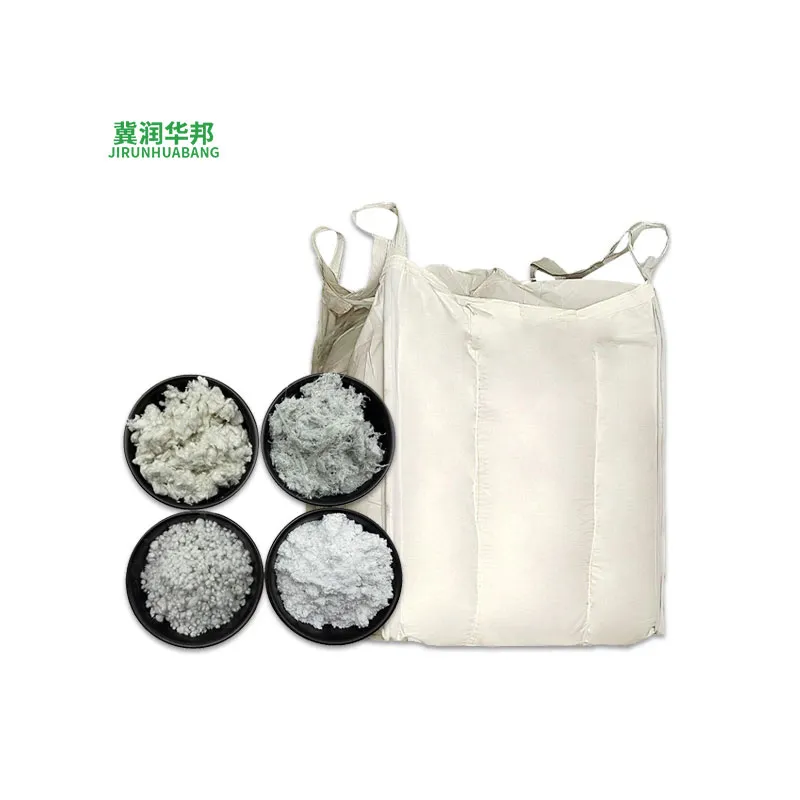
Standard packaging includes 25 kg multi‑wall paper bags with polyethylene inner liner, 500 kg bulk bags with UV‑stabilized fabric, and loose bulk in pneumatic tankers. Custom packaging such as valve bags or moisture‑barrier liners is available upon request and is evaluated for compatibility with the chosen product grade.
How is product quality verified during shipment?
Each lot is accompanied by a certificate of analysis reporting the latest test results for swell index, fluid loss, pH, and moisture. For long‑distance transport we recommend inserting a desiccant pouch inside the bag to maintain moisture below the specification limit, and we can provide a temperature‑humidity data logger for the container at an additional cost.
For technical consultation, sample requests, or to discuss a tailored grade for your process, please contact our engineering team.