

Natural Sodium Bentonite Clay Factory
Natural Sodium Bentonite Clay – Factory Overview
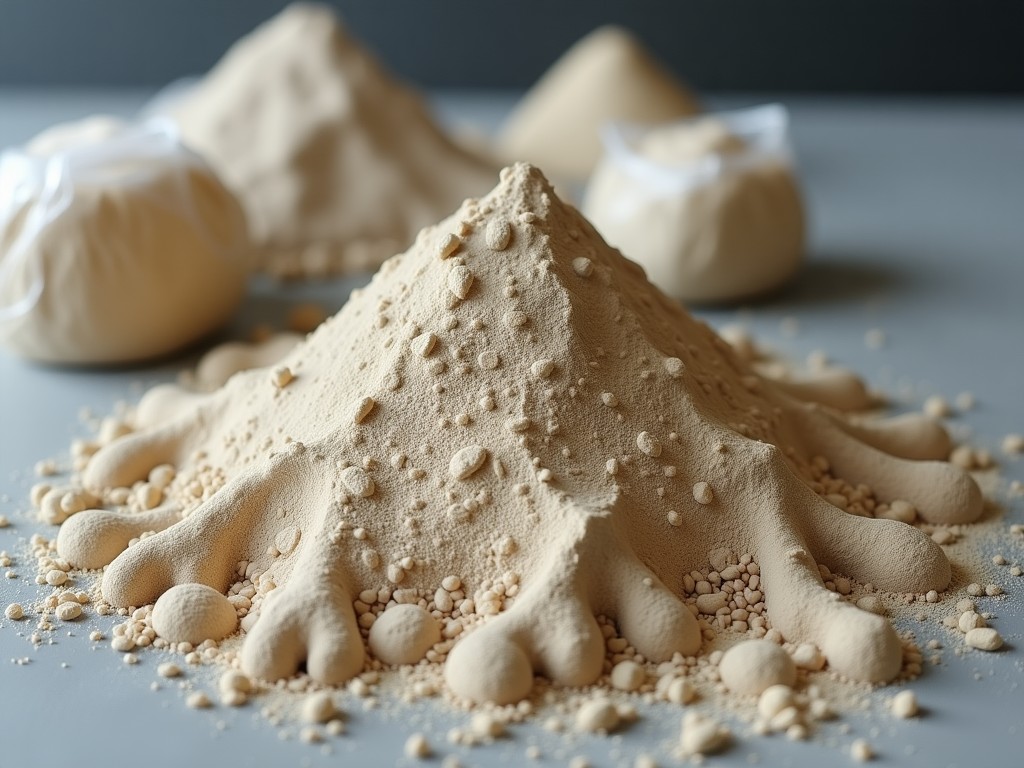
Sodium bentonite is a naturally occurring clay composed mainly of montmorillonite, a layered aluminum silicate that expands significantly when exposed to water. The material is mined from sedimentary deposits, then processed to achieve specific particle size and moisture specifications for industrial use. Its unique swelling and rheological properties derive from the high cation exchange capacity of the interlayer sodium ions.
Key Material Characteristics
When dispersed in water, sodium bentonite forms a thixotropic gel whose viscosity increases with shear rate reduction, enabling effective suspension of solids. The swelling index, measured as the volume increase of 2 g of clay in 100 mL of distilled water after 24 h, typically ranges from 12 to 18 mL/g. These traits make the clay suitable for applications requiring fluid loss control, sealability, or binding strength.
Typical Chemical Composition
| Component | Typical Range (wt%) |
|---|---|
| Montmorillonite | 60–80 |
| Silica (SiO₂) | 10–20 |
| Alumina (Al₂O₃) | 5–12 |
| Iron Oxide (Fe₂O₃) | 1–4 |
| Magnesium Oxide (MgO) | 1–3 |
| Calcium Oxide (CaO) | 0.5–2 |
| Sodium Oxide (Na₂O) | 0.5–2 |
| Loss on Ignition (LOI) | 4–8 |
Physical Properties
- Bulk density: 0.6–0.8 g/cm³ (loose)
- Particle size distribution (D50): typically 2–10 µm after milling
- pH of 5 % slurry: 8.5–9.5
- Cation exchange capacity: 70–100 meq/100 g
- Swelling index (24 h, distilled water): 12–18 mL/g
Manufacturing Process Overview
Raw bentonite is extracted via open‑pit mining, then crushed to reduce lumps to below 25 mm. The crushed material undergoes rotary drying to lower moisture content to under 10 %, followed by milling in air classifiers to achieve the target particle size distribution. Final product is blended for homogeneity, tested for key parameters, and packaged under controlled humidity to prevent premature hydration.
Quality Control Measures
Each production lot is sampled for moisture content, particle size (laser diffraction), swelling index, and pH. Results are compared against internal specifications; any deviation triggers reprocessing or rejection. Records are retained for traceability, and a certificate of analysis accompanies every shipment.
Applications in Industry
In drilling fluids, sodium bentonite provides viscosity and filtration control, reducing invasion of formation fluids into the wellbore. Foundry molds benefit from its green strength and ability to retain fine details when mixed with sand. For civil engineering, the clay’s swelling creates low‑permeability barriers in landfill liners and pond seals. Cat litter formulations exploit its high absorbency and odor‑binding capacity.
Customization Options
Particle size can be adjusted from coarse (for rapid settling) to fine (for enhanced surface area) by altering milling duration and classifier settings. Moisture content is regulated between 5 % and 12 % to suit either dry mixing or slurry preparation. Surface modification with polymers or additives is available upon request to tailor rheology or compatibility with specific fluids.
Packaging and Logistics
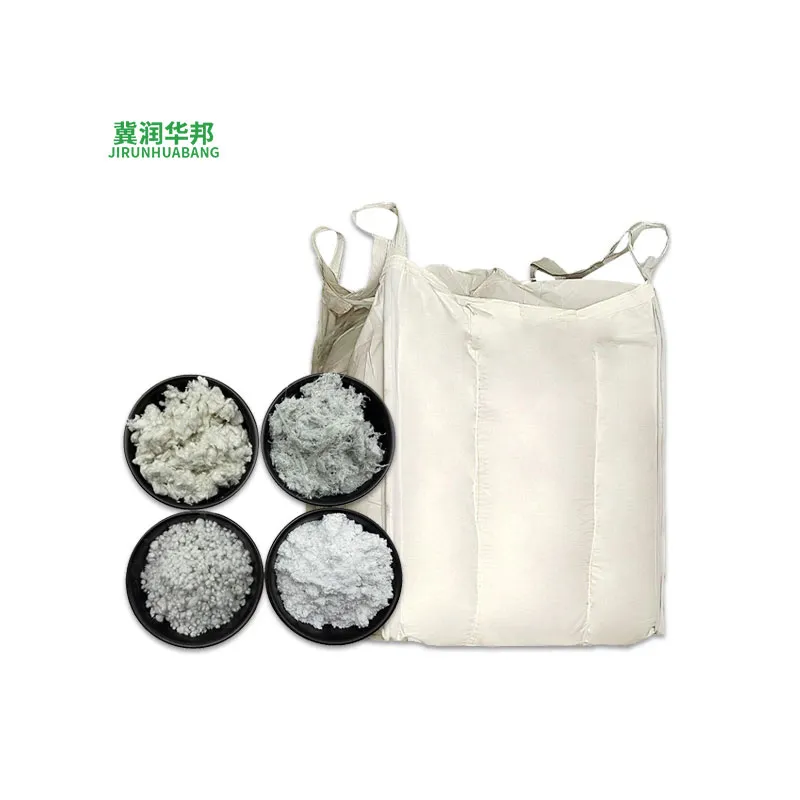
Standard packaging includes 25 kg multi‑wall paper bags with an inner polyethylene liner to guard against humidity. Bulk options consist of 1 tonne super‑sacks or pneumatic tanker trucks for large‑scale consumers. All packages are marked with batch numbers, net weight, and handling instructions to ensure traceability and safe transport.
Frequently Asked Questions
Can dimensions be customized?
Yes, particle size distribution and moisture content can be adjusted to meet specific process requirements; technical data sheets are provided upon request.
What information is required before quotation?
Desired application, required swelling index, particle size range, moisture tolerance, and annual volume help us prepare an accurate offer.
How is quality inspected?
Each batch undergoes testing for moisture, laser diffraction particle size, swelling index, and pH; results are documented in a certificate of analysis.
What packaging methods are available?
Standard 25 kg lined bags, 1 tonne super‑sacks, and bulk pneumatic truckloads are offered; alternative packaging can be discussed.
What is the typical production lead time?
Lead time varies with order size and customization, generally ranging from 2 to 4 weeks after receipt of confirmed specifications.
Contact for Technical Inquiry
For detailed specifications, sample requests, or project‑specific consultation, please use the contact form to reach our technical team.