

Oem Different Types Of Bentonite Clay
OEM Different Types of Bentonite Clay
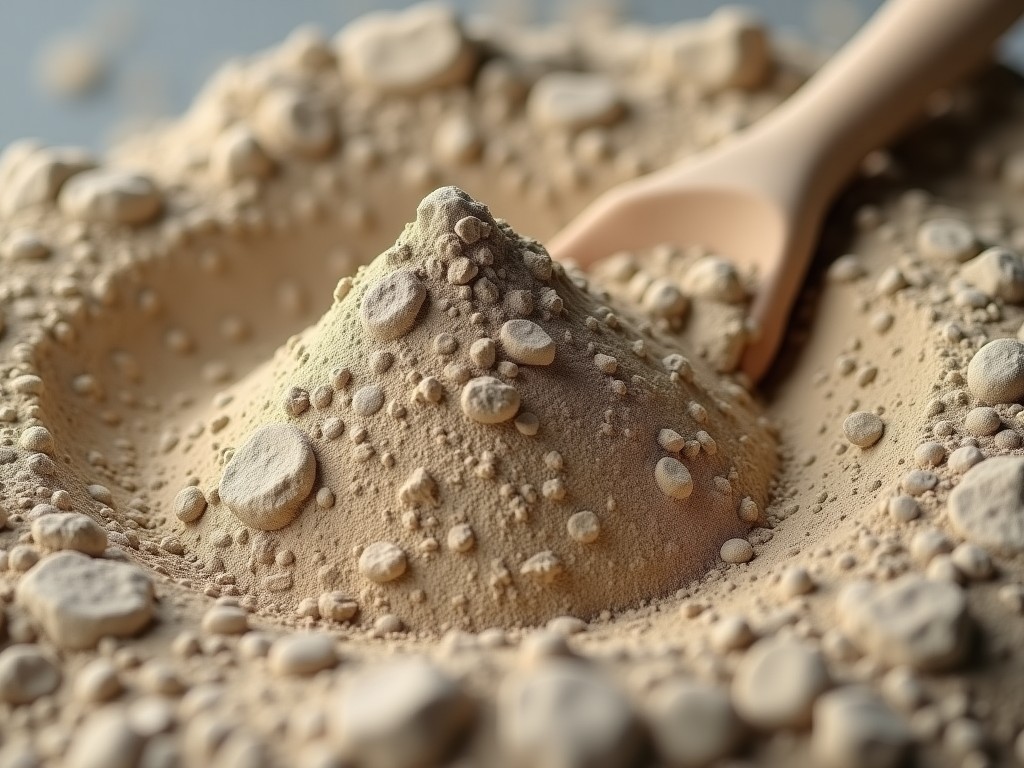
Bentonite clay originates from the alteration of volcanic ash and consists mainly of montmorillonite, a layered silicate mineral that exhibits significant water absorption and swelling when dispersed in aqueous systems.
Two primary commercial grades are distinguished by the exchangeable cation between the silicate layers: sodium bentonite, where Na⁺ dominates, and calcium bentonite, where Ca²⁺ is prevalent. The cation type governs the material’s swelling capacity, rheological behavior, and ion‑exchange potential.
Key Properties and Performance Characteristics
Typical measured attributes for OEM‑grade bentonite include:
- Swelling index (volume increase after hydration) ranging from 12 mL/g for low‑grade calcium bentonite to over 25 mL/g for high‑purity sodium bentonite.
- Cation exchange capacity (CEC) between 70 and 120 meq/100 g, influencing contaminant binding and viscosity control.
- Loss on ignition (LOI) typically below 12 %, indicating low organic content.
- Particle size distribution adjustable via milling, with d₅₀ values commonly between 2 µm and 20 µm depending on downstream processing needs.
Typical Industrial Applications
In drilling fluids, sodium bentonite provides viscosification and wall‑building properties that reduce fluid loss and stabilize boreholes, a function directly linked to its high swelling and thixotropic behavior.
Foundries employ calcium bentonite as a binder for green sand molds because its moderate swelling yields adequate mold strength without excessive moisture retention, which could cause casting defects.
Environmental remediation utilizes the ion‑exchange capacity of both grades to capture heavy metals from aqueous streams, with sodium bentonite favored for its higher CEC in low‑pH conditions.
Manufacturing and Processing Considerations
Raw bentonite is extracted via open‑pit mining, then crushed to reduce lump size before undergoing drying at temperatures below 150 °C to preserve the montmorillonite structure.
Subsequent milling achieves the target particle size; optional activation with soda ash converts calcium bentonite to a sodium‑enhanced form, tailoring swelling performance for specific OEM specifications.
Quality Control and Testing
Batch verification follows ASTM standards: swelling capacity (ASTM D5890), CEC (ASTM D7503), particle size (ASTM D6913), and moisture content (ASTM D2216). Results are recorded with traceable lot numbers to support consistent OEM supply.
Non‑conforming material is reprocessed or diverted to lower‑grade applications, ensuring that only material meeting the defined specification range proceeds to packaging.
Customization Options for OEM Partners
OEMs may request adjustments to the following parameters:
- Target swelling index (selected by controlling Na⁺/Ca²⁺ ratio and degree of activation).
- Maximum particle size (top‑cut) to prevent nozzle clogging in spray‑on applications.
- Moisture content limits for applications requiring low‑water‑absorption fillers.
- Surface modification with organic surfactants to improve compatibility with polymer matrices.
Packaging and Logistics
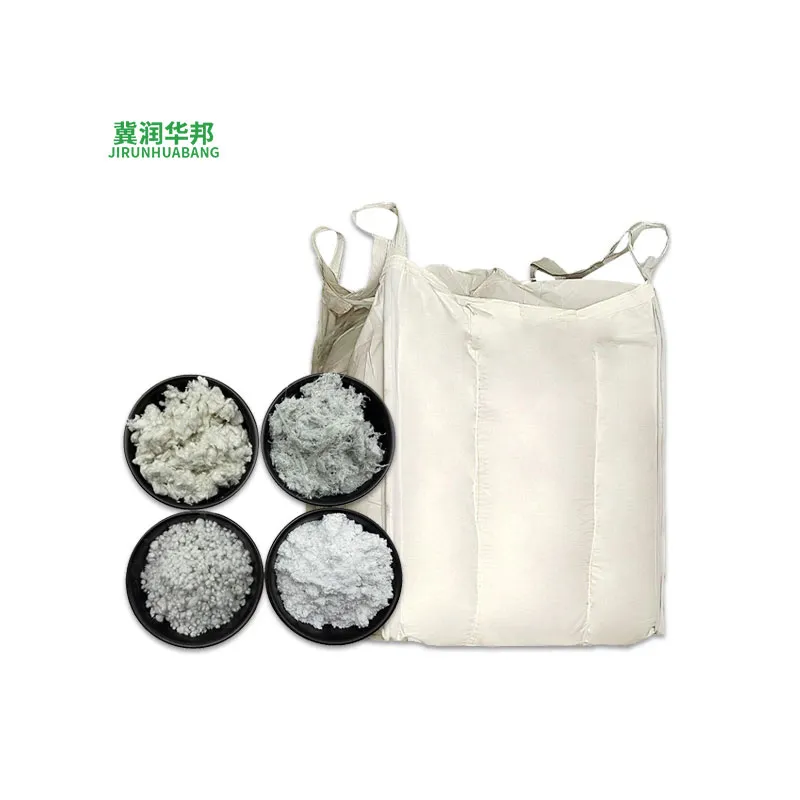
Standard packaging includes 25 kg multi‑wall paper bags with polyethylene inner liners, providing moisture barrier protection for transit and storage.
For bulk shipments, 1 tonne flexible intermediate bulk containers (FIBCs) with UV‑stabilized fabric are available, reducing handling steps and minimizing product exposure to ambient humidity.
Technical Specifications
| Property | Sodium Bentonite (Typical) | Calcium Bentonite (Typical) |
|---|---|---|
| Swelling Index (mL/g) | 20‑28 | 8‑15 |
| Cation Exchange Capacity (meq/100g) | 95‑120 | 65‑90 |
| Loss on Ignition (%) | ≤10 | ≤12 |
| Moisture Content (%) | 8‑12 | 6‑10 |
| d₅₀ Particle Size (µm) | 5‑15 | 8‑20 |
Frequently Asked Questions
Can the particle size be customized for specific equipment?
Yes, milling parameters are adjusted to achieve d₅₀ values ranging from 2 µm to 30 µm, verified by laser diffraction analysis before release.
What information is required to receive a quotation?
Provide the desired bentonite type, target swelling index or CEC, maximum particle size, moisture content limit, and order volume; optional details include any required surface treatment or packaging preference.
How is quality inspected during production?
Each lot undergoes swelling, CEC, particle size, and moisture testing per ASTM methods; results are compared against the agreed specification sheet and documented in a certificate of analysis.
What packaging methods are available for export?
Standard 25 kg bags with inner poly liners, 500 kg bulk bags, and 1 tonne FIBCs are offered; all comply with ISPM‑15 for wood‑free pallets and include desiccant packets where moisture sensitivity is critical.
What is the typical production lead time?
Lead times range from 2‑4 weeks for stocked grades and 4‑6 weeks for custom‑activated or surface‑modified material, depending on order complexity and current production load.
Contact for OEM Inquiry
To discuss specification requirements, request samples, or obtain a detailed quotation, please use the contact form or email the technical sales team directly.