




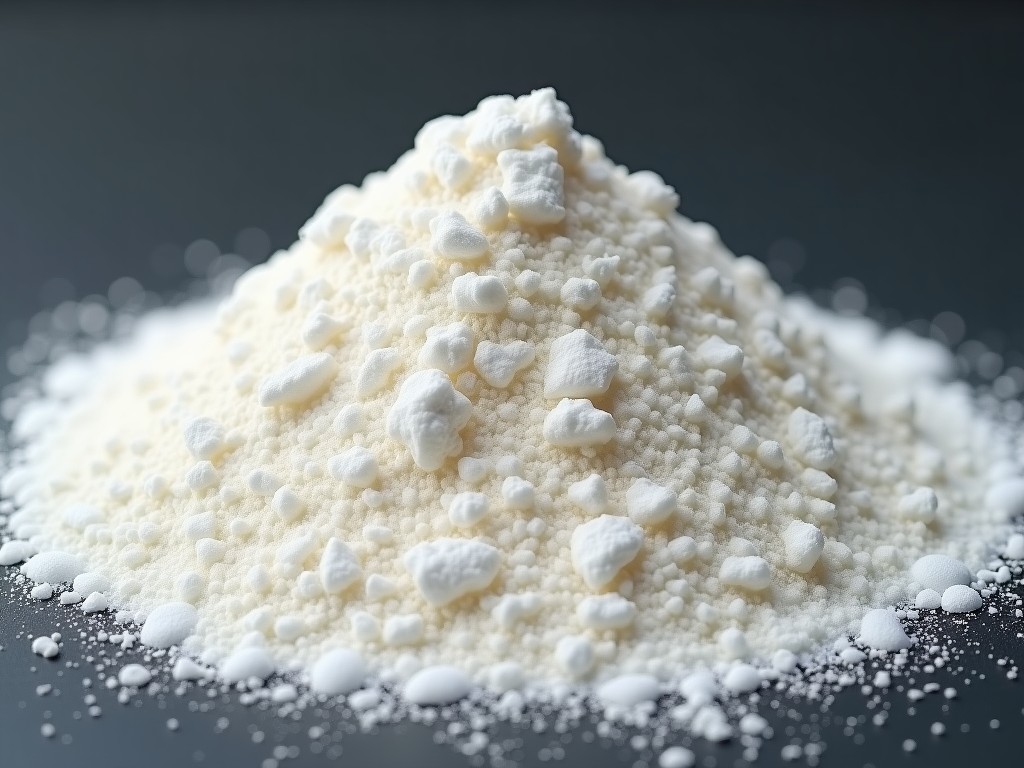
Sodium Bentonite Price Per Ton Suppliers
Sodium Bentonite Price per Ton – Technical Overview for Industrial Buyers
Sodium bentonite is a naturally occurring clay composed mainly of montmorillonite, valued for its high swelling capacity and thixotropic behavior when dispersed in water. These properties stem from the platelet structure and exchangeable sodium ions, which allow the material to absorb large volumes of liquid and form viscous gels.
Key Technical Characteristics
The performance of sodium bentonite in industrial applications depends on several measurable attributes:
- Swelling index (typically 15–30 mL/2 g under standardized conditions)
- Plastic viscosity and yield point in freshwater suspensions
- Particle size distribution (D50 often between 2–6 µm for drilling‑grade material)
- Moisture content (usually 8–12 % as‑received)
- pH of aqueous slurry (generally 8.5–9.5)
Factors Influencing Price per Ton
Price variability reflects differences in raw material quality, processing, and logistics. Understanding these factors helps buyers compare offers on a technical basis.
- Grade classification (e.g., API, foundry, civil engineering)
- Level of beneficiation (removal of impurities such as calcium carbonate)
- Moisture content (dry product commands a premium)
- Particle size specifications (fine grades for sealants vs. coarse for grouting)
- Packaging (bulk bags, super sacks, or loose bulk)
- Transportation distance and Incoterms (FOB, CIF)
Typical Specification Table
| Parameter | Typical Value | Unit | Notes |
|---|---|---|---|
| Swelling Index | 18–25 | mL/2 g | ASTM D5890 |
| Plastic Viscosity (10 % solids) | 15–25 | cP | API RP 13B‑1 |
| Yield Point (10 % solids) | 8–12 | lb/100 ft² | API RP 13B‑1 |
| Moisture Content | 9–11 | % | as‑received, can be reduced |
| pH (10 % slurry) | 8.8–9.3 | — | measured at 25 °C |
Applications and Functional Benefits
Sodium bentonite’s ability to swell and form low‑permeability barriers makes it suitable for several engineering contexts:
- Drilling fluids: provides viscosity control, hole cleaning, and formation sealing.
- Foundry sands: acts as a binder that improves green strength and collapsibility after casting.
- Civil engineering seals: used in landfill liners, pond liners, and cutoff walls due to low hydraulic conductivity after hydration.
- Cat litter and absorbents: leverages high liquid retention and odor control.
- Civil grouting and backfill: improves workability and reduces shrinkage.
Supplier Evaluation Criteria
When assessing potential suppliers, focus on verifiable technical capabilities rather than generic claims.
- Availability of recent test reports (swell index, viscosity, particle size) for each batch.
- Capacity to meet consistent gradation and moisture specifications over multiple shipments.
- Quality management system (e.g., ISO 9001) and traceability of raw material source.
- Lead time for standard grades and flexibility for custom sizing or drying.
- Packaging options that protect against moisture ingress (e.g., poly‑lined bulk bags).
- Experience exporting to your region and familiarity with required documentation (COO, MSDS).
Quality Control and Testing
Reliable suppliers perform routine testing to confirm that each lot meets the agreed specifications. Typical in‑house tests include:
- Swell index per ASTM D5890.
- Plastic viscosity and yield point using a Fann viscometer at prescribed solids concentration.
- Laser diffraction or sieve analysis for particle size distribution.
- Loss on drying to determine moisture content.
- pH measurement of a 10 % slurry at 25 °C.
- Visual inspection for foreign matter and color consistency.
Pricing Considerations and Procurement Tips
Price per ton is commonly quoted on an EXW or FOB basis. Additional costs may arise from:
- Drying or moisture reduction to meet low‑moisture specifications.
- Special sieving to achieve tight particle size cuts.
- Additive blending (e.g., polymers) for tailored rheology.
- Handling fees for bulk bag palletizing or container loading.
Request a detailed breakdown that separates base material cost from value‑added services. This enables apples‑to‑apples comparison across suppliers.
Frequently Asked Questions
Can the sodium bentonite be supplied with a guaranteed maximum moisture content?
Yes. Many producers offer dried grades with moisture levels below 6 % upon request, though this affects the unit price.
What information is required before receiving a quotation?
Suppliers typically need the intended application, required swelling index or viscosity range, particle size limits, delivery quantity, preferred Incoterms, and any packaging constraints.
Are there differences between API‑grade and civil‑engineering grades?
API‑grade material is optimized for drilling fluid performance (higher viscosity, lower fluid loss). Civil‑engineering grades prioritize low hydraulic conductivity and may have higher swelling index but different rheological specs.
Request for Quotation
To obtain a current price per ton and discuss technical suitability for your project, please provide the details outlined above. Our technical team will review your requirements and return a detailed quotation.