

Sodium Bentonite Where To Buy Bulk
Sodium Bentonite – Bulk Supply for Industrial Applications
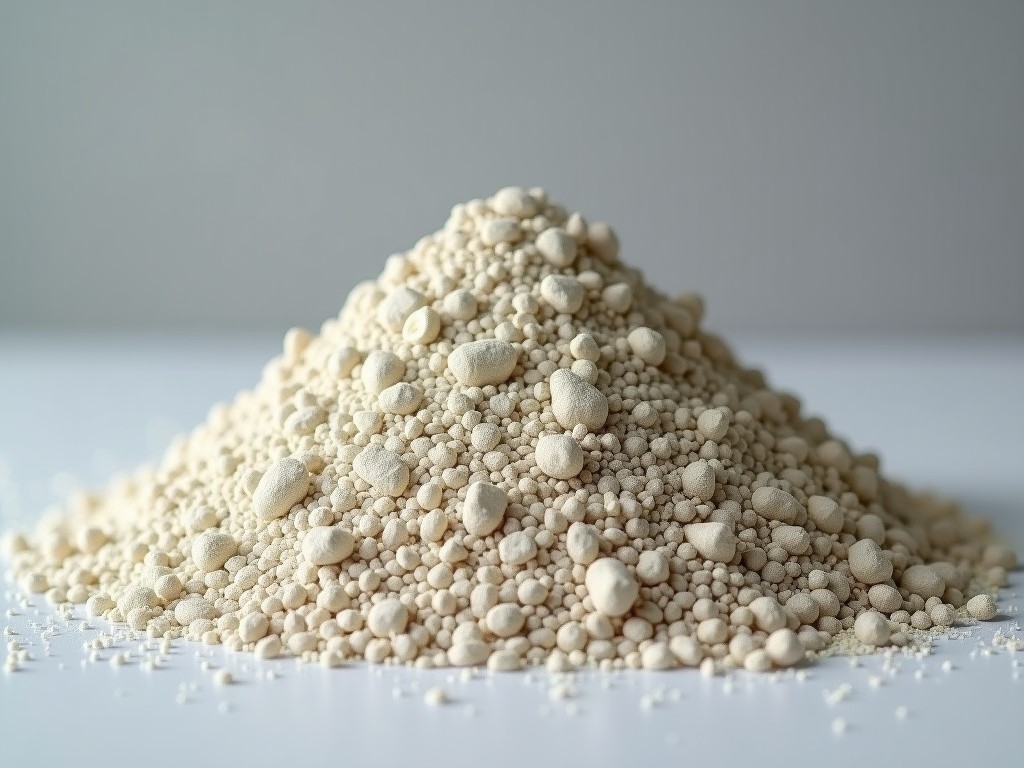
Sodium bentonite is a naturally occurring clay composed mainly of the smectite mineral montmorillonite. When dispersed in water it exhibits significant swelling, high cation exchange capacity, and low permeability, making it suitable for sealing, binding, and fluid‑control functions across several heavy‑industry sectors.
Key Technical Characteristics
The performance of bulk sodium bentonite depends on its mineral purity, particle size distribution, and hydration behavior. Typical specifications are derived from standardized laboratory tests that measure swelling, fluid loss, and chemical stability.
| Property | Typical Value | Unit | Test Method |
|---|---|---|---|
| Montmorillonite Content | 80–90 | % | X‑ray Diffraction |
| Swelling Index (2 g, 24 h) | 15–25 | mL | ASTM D5890 |
| Fluid Loss (30 min) | 12–18 | mL | API RP 13B‑1 |
| pH (10 % slurry) | 8.0–9.0 | – | ASTM D1293 |
| Moisture Content | <10 | % | ASTM D2216 |
| D50 Particle Size | 2–5 | µm | Laser Diffraction |
Primary Industrial Applications
In drilling operations sodium bentonite acts as a viscosifier and filtration control agent, forming a low‑permeability cake on borehole walls that stabilizes the wellbore and reduces fluid invasion into formations.
Foundries utilize the clay as a bonding agent for green sand mounds; its swelling creates a rigid matrix that retains shape during metal pouring, improving casting dimensional accuracy and reducing defects.
Environmental containment projects incorporate sodium bentonite into geosynthetic clay liners (GCLs) where the hydrated layer swells to seal seams and punctures, providing a durable barrier against leachate migration in landfills and ponds.
The product also serves as a filler in cat litter, absorbent in spill‑control kits, and a rheology modifier in civil‑engineering grouts, each application exploiting its high surface area and interchangeable cation properties.
Bulk Packaging and Handling
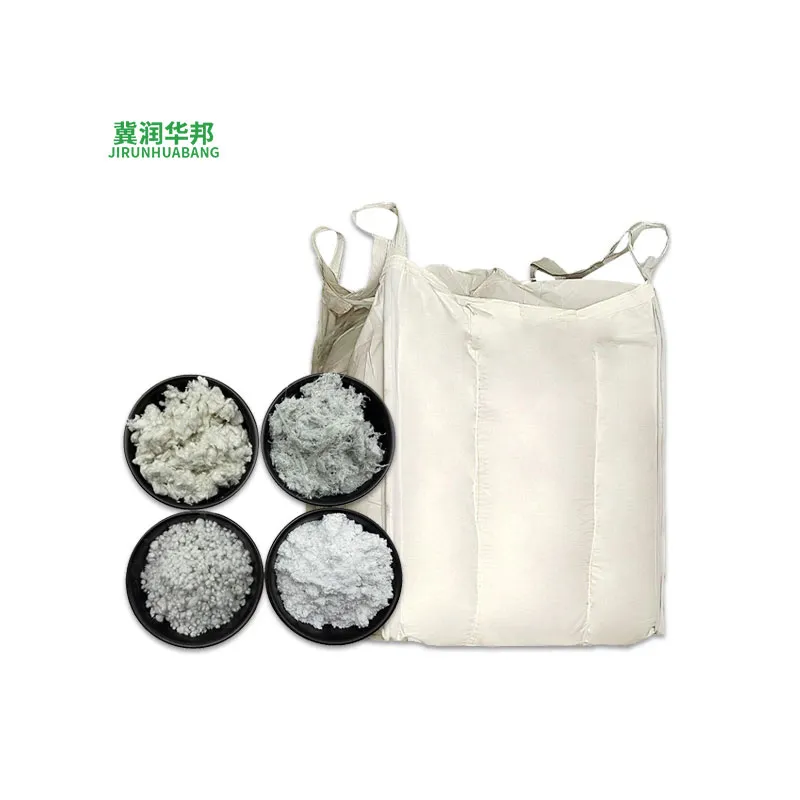
To preserve swelling capacity the clay is kept dry during storage and transport. Common bulk formats include 25 kg multi‑wall paper bags, 500 kg polypropylene super sacks, and loose‑load railcar or truck shipments with moisture‑barrier liners.
Palletized bags are stretch‑wrapped and labeled with lot numbers, facilitating traceability. For super sacks, a top‑fill spout and bottom discharge valve enable controlled discharge while minimizing dust generation.
Quality Assurance and Testing
Each production lot undergoes a defined inspection regime: sieve analysis for particle size distribution, methylene blue test for cation exchange capacity, swell index measurement, and loss on drying to verify moisture limits.
Results are recorded against internal specifications and made available to customers upon request. Non‑conforming material is isolated and investigated to prevent recurrence.
Frequently Asked Questions
- Can the particle size be customized for specific applications?
- Yes, milling classifications can be adjusted to meet D50 targets ranging from 1 µm to 10 µm, subject to minimum order quantities and additional processing lead time.
- What information is required before a quotation is issued?
- Desired quantity, packaging type, delivery destination, and any specific technical requirements (e.g., minimum montmorillonite content, maximum moisture) enable an accurate cost and lead‑time estimate.
- How is product quality verified during shipment?
- Each batch includes a certificate of analysis; random samples can be retested at the destination using standard ASTM methods to confirm compliance.
- Are export shipments protected against moisture ingress?
- Bulk containers are fitted with desiccant bags and internal polyethylene liners; super sacks are sealed with zip‑lock closures to maintain a dry environment throughout transit.
Request a Quote or More Information
For detailed specifications, packaging options, or to discuss project‑specific needs, please contact our technical sales team using the link below.