

B2B Applying Diatomaceous Earth Indoors
b2b applying diatomaceous earth indoors
Diatomaceous earth (DE) is a naturally occurring siliceous sediment used indoors for pest suppression, moisture regulation, and as a carrier for active ingredients. Its efficacy derives from the microscopic sharp edges of fossilized diatom frustules that mechanically disrupt insect cuticles and absorb lipids.
What is Diatomaceous Earth?
DE consists primarily of amorphous silicon dioxide (SiO₂) typically ranging from 80% to 95% by weight, with minor amounts of aluminum oxide and iron oxide. The material is formed from the accumulation of diatom skeletons in freshwater or marine environments, resulting in a highly porous structure with a typical specific surface area of 20‑40 m²/g.
Particle size distribution influences performance; most industrial grades exhibit a median diameter (D50) between 10 µm and 100 µm, with a fine fraction below 10 µm contributing to dustiness and a coarse fraction above 150 µm affecting flowability.
Indoor Application Considerations
For indoor use, food‑grade DE (containing less than 1 % crystalline silica) is required to comply with occupational safety standards. Pool‑grade or calcined DE, which contains higher crystalline silica content, is unsuitable due to inhalation hazards.
Application environments should maintain relative humidity below 60 % to prevent clumping; excessive moisture reduces the abrasive effectiveness of the particles. Airflow patterns influence deposition uniformity, necessitating calibrated dispensing equipment for consistent coverage.
Technical Characteristics
| Property | Typical Value | Note |
|---|---|---|
| Silica (SiO₂) content | 80‑95 % | Amorphous phase; crystalline silica <1 % for food grade |
| Bulk density | 0.30‑0.45 g/cm³ | Loose poured state |
| Particle size D50 | 15‑80 µm | Varies by milling grade |
| pH (suspension) | 7‑9 | Neutral to mildly alkaline |
| Moisture absorption | Up to 1.5 × its weight | Depends on relative humidity |
These values affect handling equipment selection; for example, low bulk density necessitates larger volume feeders to achieve a target mass flow rate.
Application Methods
- Dusting via handheld or rotary dusters for surface treatment of cracks, voids, and equipment interiors.
- Slurry spraying (DE suspended in water) for uniform coating on vertical surfaces where dry dusting would cause airborne particles.
- Integration into HVAC filter media as an adsorbent layer to capture particulates and reduce mite populations in airstreams.
- Incorporation into polymeric matrices (e.g., coatings, sealants) to provide abrasive resistance and moisture buffering.
Equipment choice should consider particle size to avoid nozzle clogging; a mesh size of 200 µm is commonly recommended for slurry systems.
Safety and Handling
Although food‑grade DE is low in crystalline silica, respirable dust can still irritate respiratory tracts. Use of NIOSH‑approved N95 respirators or equivalent is advised during bulk handling.
Engineering controls such as local exhaust ventilation and dust suppression (e.g., light misting) reduce airborne concentrations. Store DE in sealed containers away from moisture to preserve flow properties.
Comparison with Alternative Indoor Pest Control Materials
| Material | Primary Mode of Action | Re‑application Frequency | Typical Indoor Use |
|---|---|---|---|
| Diatomaceous earth (food grade) | Mechanical abrasion & lipid absorption | Every 2‑4 weeks depending on humidity | Crawling insects, mite control in food processing |
| Silica gel | Adsorption of water & desiccation | Monthly (requires reactivation) | Moisture control in storage areas |
| Boric acid | Stomach poison & cuticle disruptor | Every 4‑6 weeks | Ant and cockroach baits |
| Synthetic pyrethroid powder | Neurotoxic contact action | Every 6‑8 weeks (lower re‑application) | General indoor spraying (regulated) |
DE offers a non‑chemical mechanism, reducing concerns about resistance development and residue accumulation in food‑contact environments.
Frequently Asked Questions
A: Yes, milling classifiers can produce narrow fractions (e.g., 10‑20 µm for spray nozzles or 50‑150 µm for gravity dusters) upon request.
A: Suppliers provide a Certificate of Analysis showing SiO₂ content, crystalline silica <1 %, heavy metal limits, and compliance with FCC or GRAS standards.
A: DE is thermally stable up to 600 °C; however, prolonged exposure above 200 °C may cause surface sintering, reducing porosity.
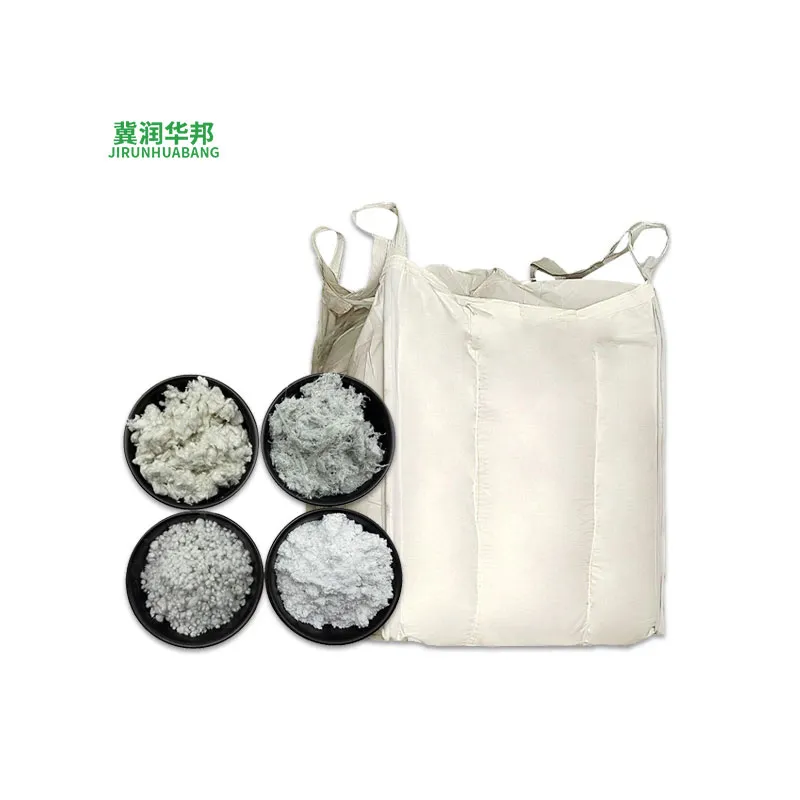
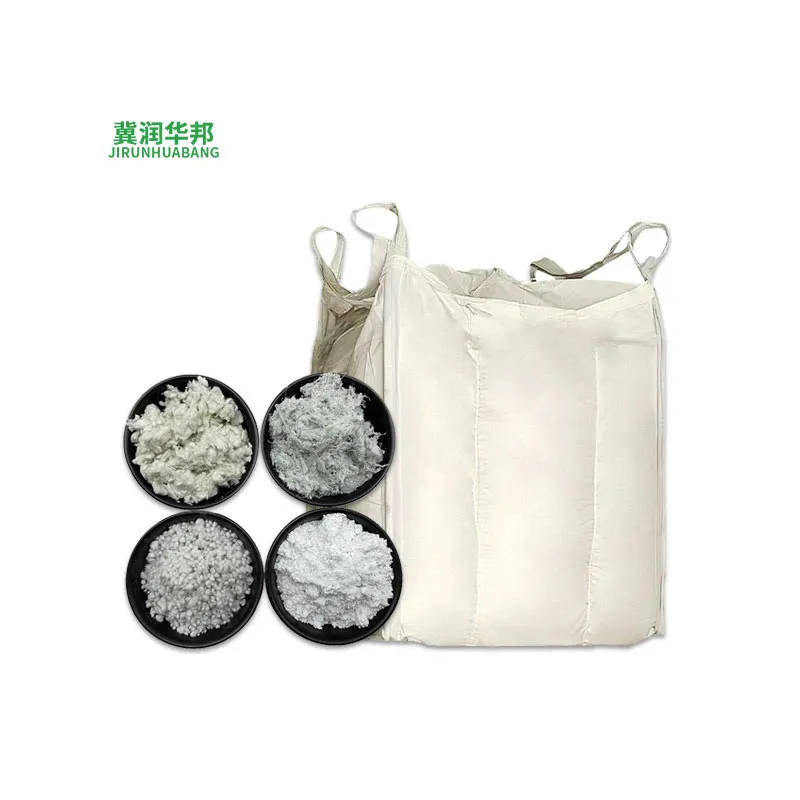
A: Multi‑wall paper bags (25 kg), polyethylene‑lined bags (50 kg), and flexible intermediate bulk containers (FIBCs) up to 1 tonne are standard.
Get a Technical Consultation
To discuss grade selection, dosing rates, or integration into your indoor pest management program, please contact our technical team.
Request a Quote