

Cheap Diatomaceous Earth Near Me
Diatomaceous Earth Product Overview
Diatomaceous earth (DE) originates from the silica-rich frustules of ancient diatoms. Its microstructure consists of interconnected voids that yield high porosity and low bulk density, properties that govern its performance in filtration, absorption, and filler applications. The following sections detail the measurable characteristics that influence selection and cost.
Technical Characteristics
Typical DE contains 80‑90 % amorphous SiO₂, with the remainder comprising trace metal oxides (Al₂O₃, Fe₂O₃) and moisture. Bulk density ranges from 0.20 to 0.50 g/cm³ depending on grade and calcination. Porosity generally falls between 80‑90 %, enabling liquid uptake of up to 1.5 times the material weight. pH of a 10 % slurry is neutral (7‑8), and Mohs hardness is approximately 5‑6, providing mild abrasiveness without excessive wear on equipment.
- SiO₂ content: 80‑90 % (wt)
- Bulk density: 0.20‑0.50 g/cm³
- Porosity: 80‑90 %
- Absorption capacity: ≤1.5 g liquid/g DE
- pH (10 % slurry): 7‑8
Particle Size Distribution
Particle size dictates flow rate, filtration efficiency, and abrasive effect. Standard classifications are defined by laser diffraction and sieve analysis. The table below shows typical size ranges for three common grades offered by suppliers.
| Grade | Typical D50 (µm) | Range (µm) |
|---|---|---|
| Fine | 5‑8 | <10 |
| Medium | 20‑30 | 10‑50 |
| Coarse | 60‑80 | 50‑100 |
Applications and Functional Benefits
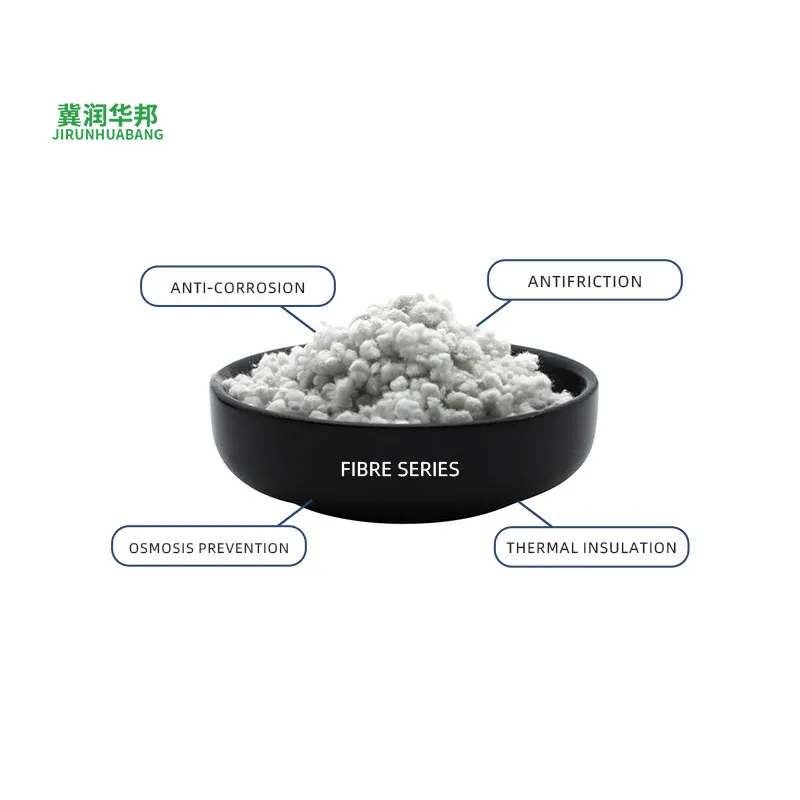
DE’s utility stems from its inert silica framework, high surface area, and mechanical rigidity. In filtration, the tortuous pore network captures particulates while allowing high flow rates. As an absorbent, the internal voids retain liquids without chemical reaction. When used as a filler, the particle shape reinforces matrices without significantly increasing weight. The abrasive nature provides a physical mode of insect control by damaging exoskeletons.
- Beverage and swimming‑pool filtration – high flow, low pressure drop
- Spill control for oils, solvents, and water‑based liquids – rapid uptake
- Functional filler in paints, plastics, and rubber – improves viscosity control
- Mechanical insecticide – silica particles adsorb lipids from cuticle
- Soil amendment – enhances aeration and water retention
Quality Control and Testing
Suppliers verify conformity through a combination of chemical, physical, and morphological tests. Loss on ignition (LOI) quantifies volatile matter and organic content. Laser diffraction provides D10, D50, D90 values for size distribution. Scanning electron microscopy (SEM) assesses frustule integrity and surface contamination. Moisture content is measured by gravimetric drying at 105 °C. Food‑grade DE additionally undergoes heavy‑metal screening and microbiological analysis to meet FDA or EFSA limits.
Customization Options
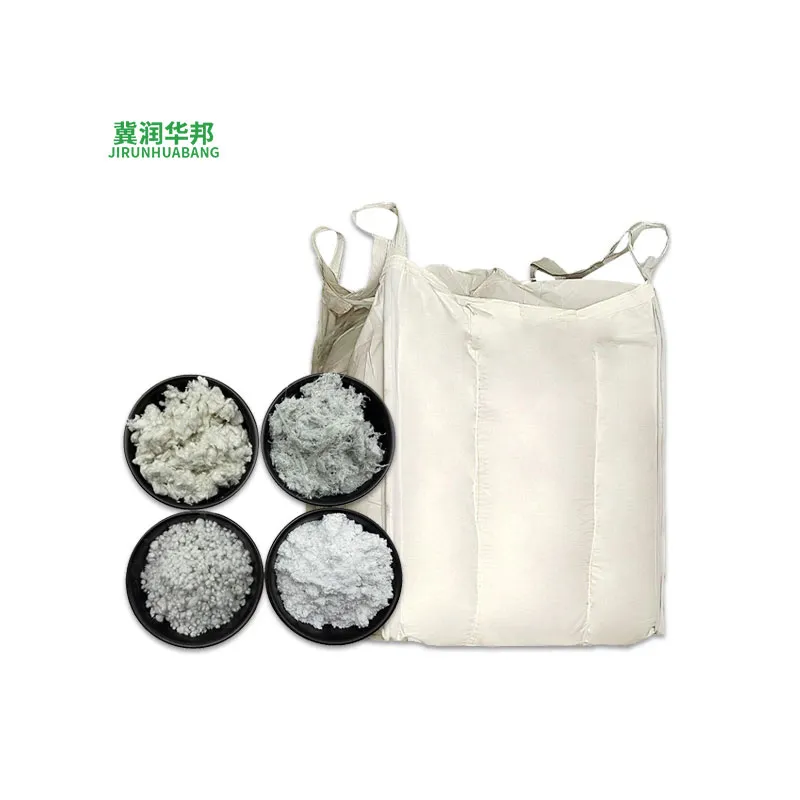
Performance can be tailored by altering calcination temperature, flux addition, and surface treatment. Low‑temperature (≈ 600 °C) natural DE retains higher absorptive capacity, while flux‑calcined grades (≈ 900‑1000 °C) exhibit increased hardness and reduced flowability for abrasive applications. Surface silanization improves compatibility with polymer matrices. Particle size classification via air‑jet sieving enables production of narrow‑cut grades for precise filtration ratings. Packaging options range from 25 kg bags to bulk pneumatic tankers, with moisture‑barrier liners available for hygroscopic grades.
Frequently Asked Questions
What information is needed for a quotation?
To generate an accurate quote, specify the required grade (natural, flux‑calcined, or surface‑treated), target particle size range, desired quantity, packaging preference, and delivery location. If the material must meet food‑grade or pharmaceutical standards, indicate the relevant certification.
Can the particle size be customized?
Yes. Suppliers can adjust milling and classification parameters to achieve custom D50 values between 2 µm and 150 µm, subject to equipment capabilities. Tight tolerances (± 2 µm) are achievable for premium grades.
What is the typical lead time?
Standard grades in stock usually ship within 3‑5 business days after order confirmation. Custom‑processed material or large bulk orders may require 2‑3 weeks, depending on kiln availability and logistics.
Are samples available?
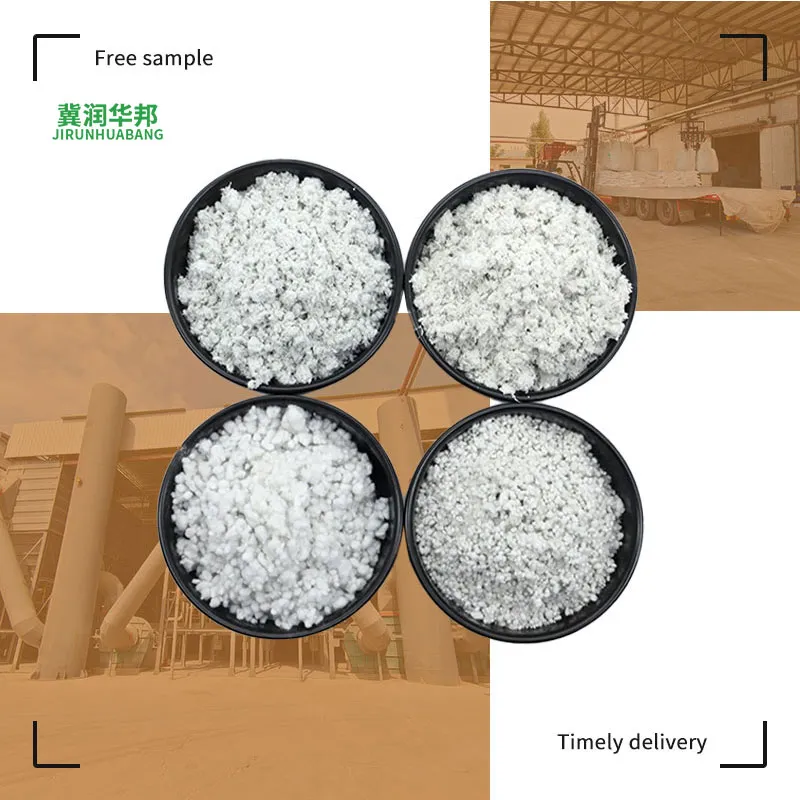
Most manufacturers provide free 100‑200 g samples for evaluation. Larger trial quantities can be arranged at cost, with freight prepaid or collect as agreed.
Get a Quote
To discuss your specific requirements and receive a formal quotation, please provide the details outlined above. Our technical team will review the specifications and respond with pricing, lead time, and any relevant documentation.