

China Benefits Of Diatomaceous Earth
China Diatomaceous Earth: Benefits and Industrial Applications
Diatomaceous earth (DE) is a friable sedimentary rock formed from the fossilized silica shells of diatoms, microscopic aquatic algae. Its primary constituent is amorphous silicon dioxide, typically ranging from 80% to 94% depending on deposit origin and processing.
Key Physical and Chemical Characteristics
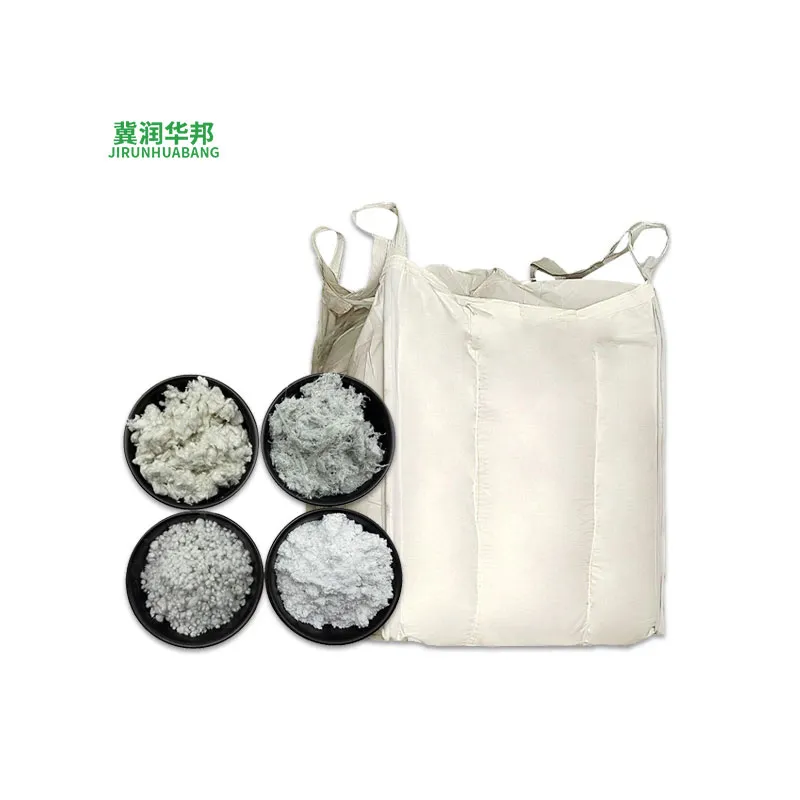
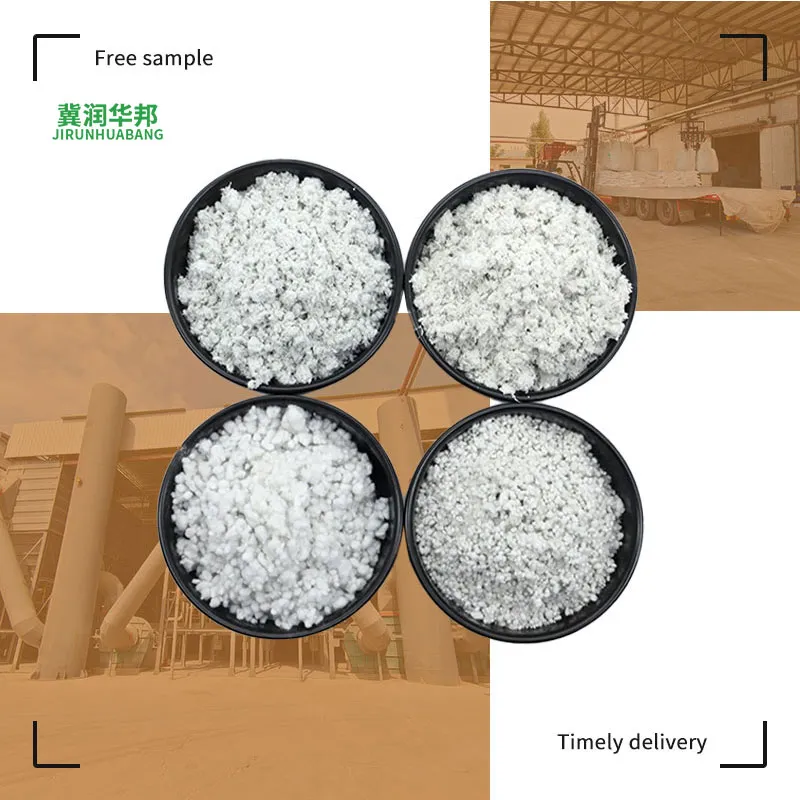
The material exhibits a high pore volume, with bulk densities between 0.2 and 0.5 g cm⁻³ and specific surface areas often exceeding 60 m² g⁻¹. Particle size distribution can be tailored from coarse granules (>100 µm) to fine powders (<10 µm) through milling and air classification.
Chemically inert under neutral pH, DE does not react with most acids or bases at ambient temperature, and its loss on ignition (LOI) after calcination is typically below 2 %, indicating minimal organic content.
Principal Benefits for Industrial Use
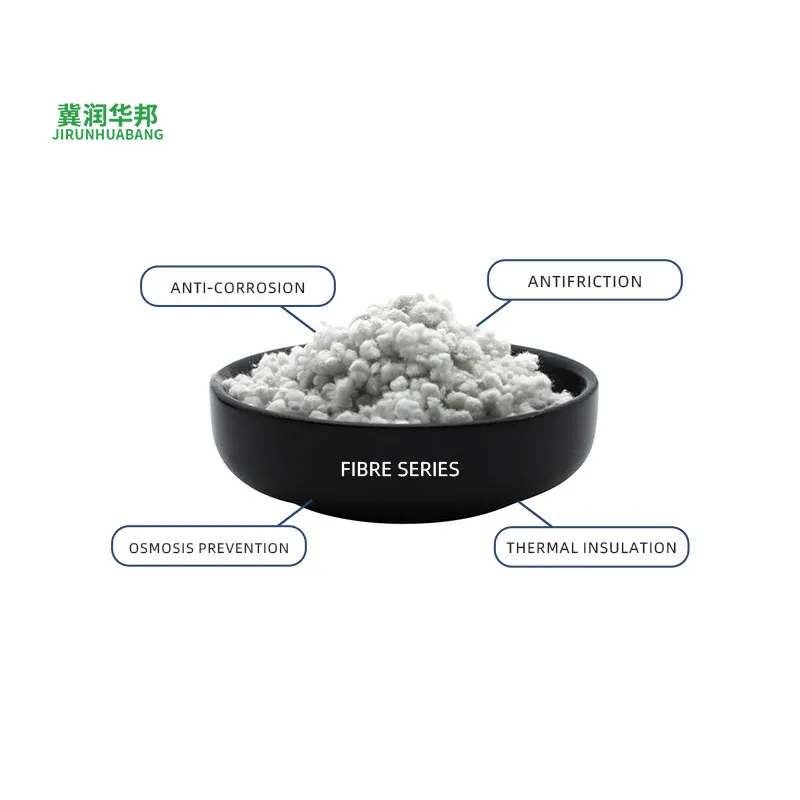
- Exceptional filtration aid properties due to rigid, honeycomb‑shaped particles that form porous filter cakes with high permeability.
- High absorbent capacity for liquids and gases, enabling use in spill control, catalyst carriers, and moisture regulation.
- Mild abrasiveness (Mohs hardness ~5‑6) suitable for polishing compounds, toothpaste, and metal surface preparation without excessive substrate wear.
- Low thermal conductivity (≈0.06 W m⁻¹ K⁻¹) when formed into insulating boards, providing energy‑saving barriers in kilns and furnaces.
- Natural origin and low heavy‑metal content meet food‑grade and pharmaceutical specifications after appropriate purification.
Typical Industrial Applications
In beverage processing, DE functions as a filter aid for clarifying beer, wine, and juice, allowing removal of yeast and particulates while maintaining flow rates.
The oil and gas sector employs DE as a solid absorbent in drilling muds to control viscosity and trap fine cuttings, reducing formation damage.
Polymer manufacturers incorporate fine DE grades as reinforcing fillers, improving tensile strength and dimensional stability of PVC, rubber, and thermoplastic elastomers.
Agricultural applications include DE as a carrier for pesticides and as a mechanical insecticide, where its sharp edges damage insect exoskeletons leading to dehydration.
Construction uses DE‑based insulating bricks and boards for fire‑resistant linings in kilns, furnaces, and fire doors due to its stability up to 1000 °C.
Manufacturing and Processing Considerations
Raw DE is extracted via open‑pit mining, then dried and milled to achieve desired particle size. Calcination at 800‑1000 °C removes volatile organics and enhances filtration efficiency by increasing rigidity of the frustules.
Surface treatment with silanes or polymers can modify hydrophobicity, enabling compatibility with non‑polar matrices such as hydrocarbon oils or silicone rubber.
Final product is sieved, blended, and packaged in multi‑wall paper bags, bulk totes, or pneumatic containers according to customer specifications.
Quality Control and Testing
Standard assays include loss on ignition (LOI) to verify organic content, acid insoluble silica (AIS) for purity, and particle size distribution via laser diffraction.
Filtration performance is evaluated using the Darcy permeability test on a standardized filter cake, while abrasiveness is measured by the Taber wear index.
Batch-to-batch consistency is ensured through statistical process control, with typical specification limits shown below.
| Parameter | Typical Range | Test Method |
|---|---|---|
| Loss on Ignition (LOI) | 0.5‑2.0 % | ASTM C114 |
| Acid Insoluble Silica (AIS) | 85‑94 % | ISO 12677 |
| Median Particle Size (D50) | 5‑45 µm (adjustable) | Laser Diffraction |
| Bulk Density | 0.20‑0.45 g cm⁻³ | ASTM C29 |
| pH (10% slurry) | 7‑9 | ASTM D1293 |
Customization Options
Customers can specify grade (filter aid, absorbent, filler), particle size cut points, surface treatment type, and moisture content. Packaging ranges from 25 kg valve bags for laboratory use to 1000 kg flexible intermediate bulk containers (FIBCs) for bulk delivery.
Technical support is available to assist with formulation trials, filtration pilot testing, and safety data sheet (SDS) preparation.
Frequently Asked Questions
- Can the particle size distribution be adjusted for specific filtration needs? Yes, through staged milling and air classification we can produce custom D10, D50, and D90 values to match filter media specifications.
- What information is required for a quotation? Application description, required grade, quantity, preferred packaging, and any special treatment (e.g., hydrophobic coating).
- Is the material compliant with food‑contact regulations? After acid washing and calcination, DE can meet FDA 21 CFR §184.1265 and EU food additive code E551.
- How is product quality verified before shipment? Each lot undergoes LOI, AIS, particle size, and pH testing; certificates of analysis are provided with every batch.
- What lead times apply for standard grades? Typically 2‑3 weeks for stock items; custom grades or surface treatments may require 4‑6 weeks depending on batch size.
For technical consultation, sample requests, or a formal quotation, please contact our sales engineering team.
Request Information