

China Buy Diatomaceous Earth Exporter
China Diatomaceous Earth Exporter – Bulk Supply for Industrial Use
Diatomaceous earth (DE) is a naturally occurring siliceous sediment composed of fossilized diatom frustules. Its value in industrial processes stems from a combination of high porosity, controlled particle size distribution, and chemical inertness.
Typical Chemical Composition
The material is predominantly amorphous silicon dioxide, usually ranging from 85% to 95% SiO₂ by weight. Minor constituents include aluminum oxide (Al₂O₃) typically below 2%, iron oxide (Fe₂O₃) under 0.5%, and loss on ignition (LOI) around 5% representing bound water.
Key Physical Properties
- Bulk density: 0.2–0.4 g/cm³ (loose packed)
- Particle size (D50): 10–30 µm, adjustable via milling
- Specific surface area: 15–30 m²/g (BET)
- Porosity: 80–90% void fraction
- pH of aqueous slurry: 7–9 (neutral to slightly alkaline)
Industrial Applications and Functional Rationale
In filtration, DE’s interconnected microporous structure provides a high dirt‑holding capacity while maintaining low pressure drop, making it suitable for beverage clarification, swimming‑pool water treatment, and pharmaceutical sterile filtration.
As a functional filler, its low bulk density and high aspect‑ratio particles improve rheology control in paints, coatings, and plastics without significantly increasing weight.
In agriculture, DE acts as a carrier for pesticides and a soil amendment that enhances water retention and aeration due to its porous granule morphology.
Typical Specification Table
| Parameter | Typical Range | Test Method |
|---|---|---|
| SiO₂ content | 85–95 wt% | XRF |
| Al₂O₃ | ≤2 wt% | XRF |
| Fe₂O₃ | ≤0.5 wt% | XRF |
| Loss on Ignition (LOI) | 4–6 wt% | Thermogravimetric analysis |
| Bulk density (loose) | 0.20–0.40 g/cm³ | ASTM C29 |
| D50 particle size | 10–30 µm | Laser diffraction |
| Specific surface area (BET) | 15–30 m²/g | BET analysis |
| pH (10% slurry) | 7.0–9.0 | Electrometric |
Quality Assurance and Control Points
Each lot undergoes incoming raw‑material verification, including XRF for elemental composition and laser diffraction for particle size distribution. In‑process controls monitor moisture content (<0.5%) and bulk density after drying. Final product is inspected for LOI, pH, and absence of oversized agglomerates (>100 µm) using vibratory sieving.
Test reports are provided with each shipment, and third‑party certification (e.g., ISO 9001) can be arranged upon request.
Customization Options
- Particle size grading: fine (<10 µm), medium (10–30 µm), coarse (30–80 µm)
- Surface treatment: silanization for hydrophobicity or acid activation for increased acidity
- Calcination temperature adjustment to modify crystalline silica content (if required for specific applications)
- Moisture content control: dry (<0.2%) or conditioned (up to 5%) for specific processing needs
Packaging and Logistics
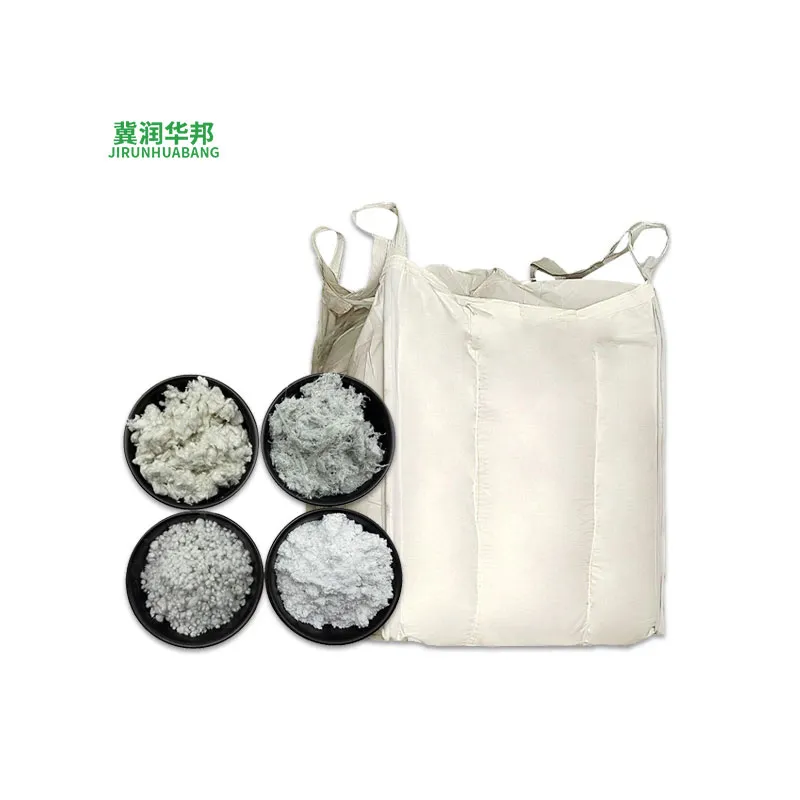
Standard packaging includes multi‑wall paper bags with inner polyethylene liner (25 kg net) or flexible intermediate bulk containers (FIBCs) of 500 kg or 1 tonne capacity. Bag dimensions are optimized for palletization (800 mm × 1200 mm).
For export, containers are loaded with moisture‑absorbing desiccants and secured with strapping to prevent shift. Shipping documents include commercial invoice, packing list, certificate of analysis, and bill of lading.
Export Procedure
Upon receipt of a purchase order, we confirm technical specifications, generate a proforma invoice, and arrange production scheduling. Lead time typically ranges from 10 to 18 working days depending on order volume and customization requirements.
After production, the batch undergoes final QA, packaging, and container loading. We provide tracking details and assist with customs clearance documentation at the destination port.
Frequently Asked Questions
Can the particle size be customized to meet specific filtration ratings?
Yes. Milling and classification allow us to target D50 values from 5 µm up to 50 µm, with tight distribution (±2 µm) available upon request.
What information is required before a quotation can be issued?
We need the desired quantity, packaging type, any required surface treatment, target particle size range, and destination port for freight calculation.
Are samples available for evaluation?
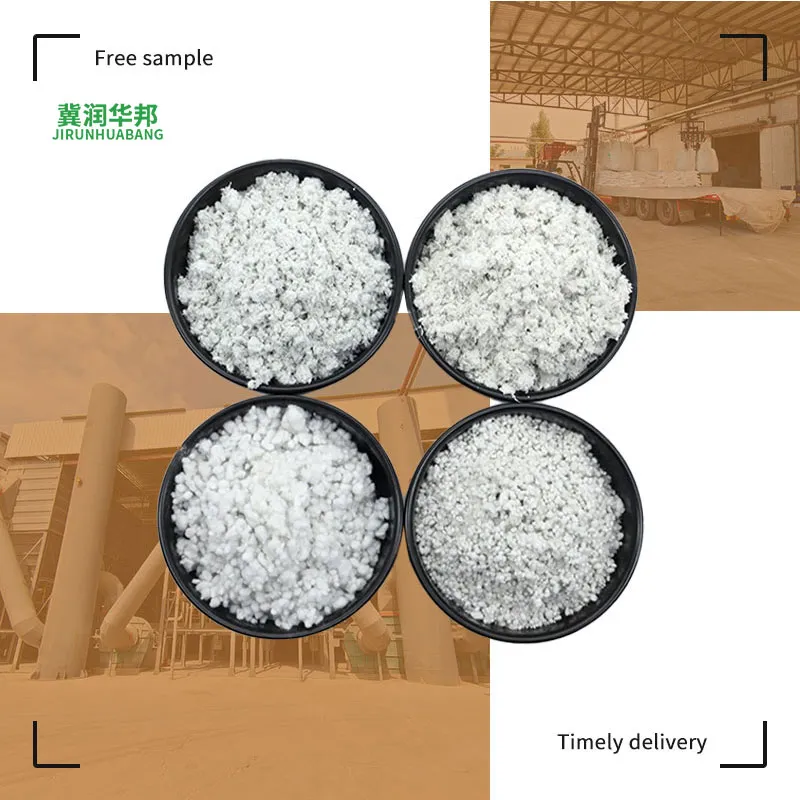
Sample quantities of up to 1 kg can be dispatched free of charge; shipping costs are borne by the requester.
How is product quality verified for each shipment?
Each lot is accompanied by a certificate of analysis showing SiO₂ content, LOI, pH, bulk density, and particle size distribution, based on standardized test methods.
For technical inquiries, quotation requests, or to discuss specific application requirements, please contact our export team.
Contact Export Team