

China Diatomaceous Earth Food Grade
China Diatomaceous Earth Food Grade
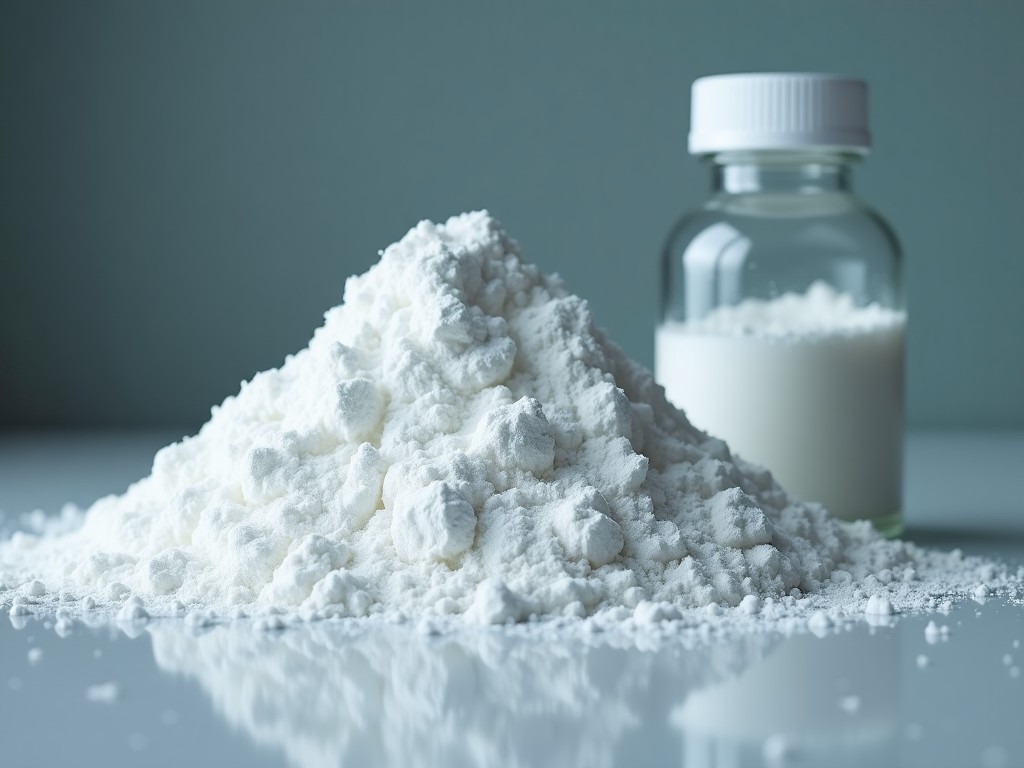
This material originates from freshwater deposits in China and is processed to meet food‑grade purity standards. It consists mainly of amorphous silica with a typical SiO₂ content ranging from 85% to 95%. The product is supplied as a fine, off‑white powder with controlled particle size distribution.
Product Overview
Food‑grade diatomaceous earth is derived from the fossilized remains of diatoms, microscopic algae whose cell walls are composed of opaline silica. After mining, the ore undergoes drying, milling, and air classification to remove impurities and achieve the desired granule size. The resulting powder exhibits high porosity and a large surface area, which underpin its functional behavior in food processing.
Technical Specifications
| Parameter | Typical Value |
|---|---|
| Silicon Dioxide (SiO₂) | 85 % – 95 % |
| Loss on Ignition (LOI) | ≤ 5 % |
| Moisture Content | ≤ 0.5 % |
| Bulk Density (loose) | 0.30 – 0.45 g/cm³ |
| Particle Size (D50) | 10 – 25 µm |
| pH (10 % slurry) | 7 – 9 |
| Heavy Metals (Pb, As, Cd, Hg) | ≤ 10 ppm each (custom limits available) |
Applications
Because of its inert nature and high absorbency, food‑grade diatomaceous earth serves multiple roles in food‑related operations. Its porous structure traps lipids, sugars, and fine solids, making it effective as a filtration aid for liquids such as juice, wine, and vegetable oils. Simultaneously, its mild abrasiveness and anti‑caking properties benefit dry ingredient handling.
- Filtration aid for beverage clarification and oil polishing.
- Anti‑caking agent in powdered spices, sugar, and salt blends.
- Carrier for flavors, vitamins, and probiotics in supplement premixes.
- Processing aid in dough mixing to reduce stickiness and improve texture.
- Detoxifying additive in animal feed formulations (when permitted).
Quality Control & Compliance
Each batch undergoes a standardized testing protocol that includes chemical analysis, particle size distribution, and microbiological screening. Typical checks verify that silica content, moisture, and heavy‑metal levels remain within the ranges shown above. Documentation such as certificates of analysis and safety data sheets can be supplied upon request to support regulatory submissions.
Packaging & Storage
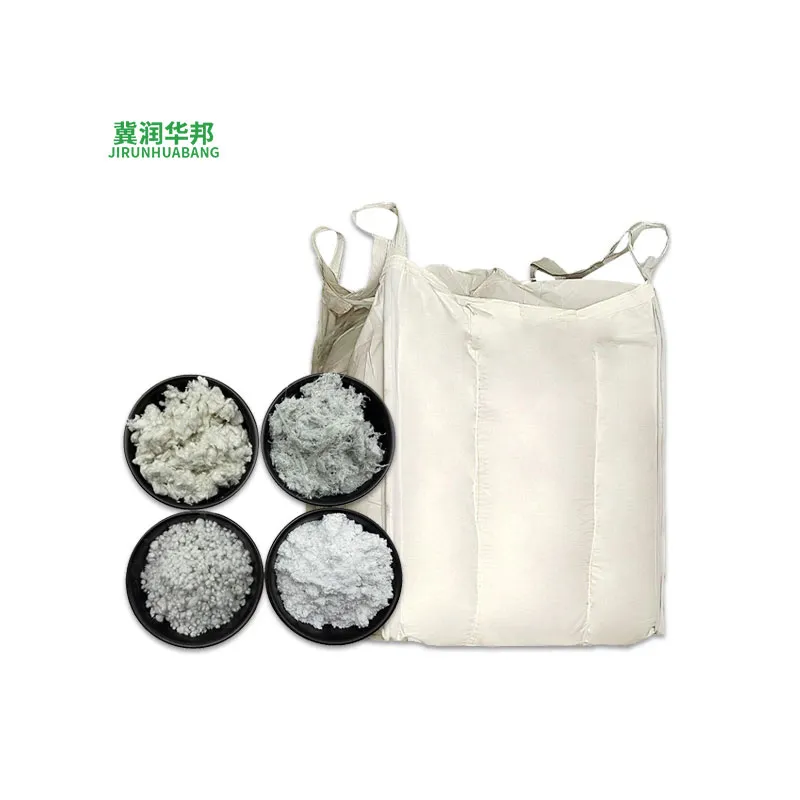
The product is packed in multi‑wall paper bags with an inner polyethylene liner to protect against moisture ingress. Standard net weights are 20 kg and 25 kg, but alternative sizes (e.g., 500 g retail packs or 1 t bulk bags) are available depending on logistics requirements. Stored in a cool, dry environment, the material retains its functional properties for at least 24 months.
- 20 kg or 25 kg multi‑wall bag with PE liner.
- 500 g foil‑lined pouch for laboratory or trial use.
- 1 t bulk bag (FIBA) with optional palletizing.
- Custom labeling and branding available on request.
Frequently Asked Questions
Q: Can the particle size be adjusted for specific filtration needs?
A: Yes. Air classification and milling parameters can be tuned to produce finer or coarser grades; specify the target D50 when requesting a quotation.
Q: What information is needed to obtain a price quote?
A: Required details include desired quantity, packaging type, any special purity or heavy‑metal limits, and destination port for freight calculation.
Q: Are heavy‑metal test reports provided with each shipment?
A: Standard batches include a certificate of analysis; expanded testing for specific limits can be arranged as a value‑added service.
Contact Us
To discuss technical suitability, request samples, or place an order, please reach out to our sales team.
Send Inquiry