

China Diatomaceous Earth Insecticide
China Diatomaceous Earth Insecticide
Overview
Diatomaceous earth (DE) is a naturally occurring siliceous sediment formed from fossilized algae. When milled to a specific particle size range, it functions as a mechanical insecticide that damages the exoskeleton of crawling pests through abrasion and lipid absorption. The product described here is sourced from China, where deposits exhibit high purity and consistent amorphous silica content, making it suitable for industrial pest‑management programs.
Composition and Key Properties
The material consists of >85 % amorphous SiO₂, with trace amounts of alumina and iron oxides that do not affect its insecticidal action. Typical bulk density ranges from 0.30 to 0.45 g cm⁻³, and the specific surface area falls between 15 and 25 m² g⁻¹. Particle size distribution is controlled to a D₅₀ of 10–15 µm, ensuring sufficient sharpness to cut insect cuticles while remaining low‑dust for handling.
Moisture content is kept below 5 % to preserve flowability, and the product is heat‑treated to eliminate organic impurities without altering the silica structure.
Mode of Action
Unlike chemical toxins, DE kills insects through a purely physical mechanism. The microscopic sharp edges of the silica particles cut the waxy lipid layer of the insect’s cuticle, leading to rapid dehydration. Laboratory observations show mortality onset within 2–4 hours for species such as Tribolium confusum and Blatta orientalis at exposure concentrations of 1 g m⁻².
Because the action is mechanical, resistance development is unlikely, and the product remains effective against both adult and larval stages.
Typical Applications
- Grain storage facilities – applied as a thin layer on surfaces and within voids to protect stored wheat, corn, and rice from beetles and weevils.
- Food processing lines – dusted onto conveyor belts and equipment crevices to control crawling insects without contaminating product.
- Animal housing – spread in litter and bedding to reduce populations of mites, lice, and fleas while being non‑toxic to livestock.
- Greenhouse benches – used as a barrier around pots to deter ants, slugs, and soil‑borne pests.
- Structural perimeters – blown into cracks and voids of buildings to provide long‑lasting protection against cockroaches and silverfish.
Each application leverages the product’s low‑dust nature and residual effectiveness, which can persist for several months under dry conditions.
Technical Specifications
| Parameter | Typical Value | Unit | Notes |
|---|---|---|---|
| Amorphous SiO₂ content | ≥85 | % w/w | Measured by X‑ray diffraction |
| Particle size D₅₀ | 10–15 | µm | Laser diffraction, dry dispersion |
| Bulk density | 0.30–0.45 | g cm⁻³ | ASTM C29 |
| Moisture content | ≤5 | % w/w | Loss on drying at 105 °C |
| pH (10 % slurry) | 7–9 | – | Neutral to slightly alkaline |
Values represent typical ranges; actual specifications can be adjusted according to project requirements.
Handling and Storage
The product is free‑flowing and can be conveyed using standard pneumatic or mechanical systems. Personnel should wear dust masks (NIOSH N95 or equivalent) and safety goggles during bulk handling to avoid respiratory irritation. Storage in a dry, well‑ventilated area away from direct sunlight maintains stability; caking is minimal when relative humidity stays below 60 %.
Shelf life exceeds 24 months under recommended conditions, with no significant loss of insecticidal efficacy observed in accelerated aging tests.
Safety and Environmental Profile
Diatomaceous earth is classified as a low‑hazard substance; it is not toxic to mammals, birds, or aquatic organisms when used as directed. The amorphous silica form poses no risk of silicosis, unlike crystalline silica. Environmental degradation is negligible; the material remains inert in soil and can be left in place after pest‑control cycles.
Regulatory status includes compliance with FDA GRAS for indirect food contact and EPA exemption under FIFRA as a minimum‑risk pesticide.
Packaging Options
- Multi‑wall paper bags with polyethylene liner – 25 kg net weight, suitable for palletized transport.
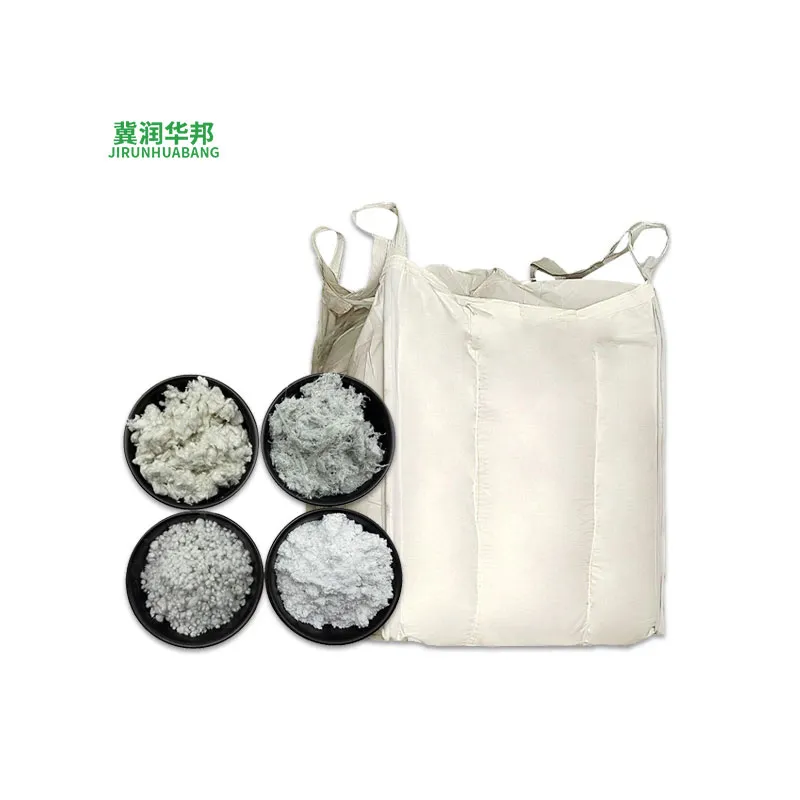
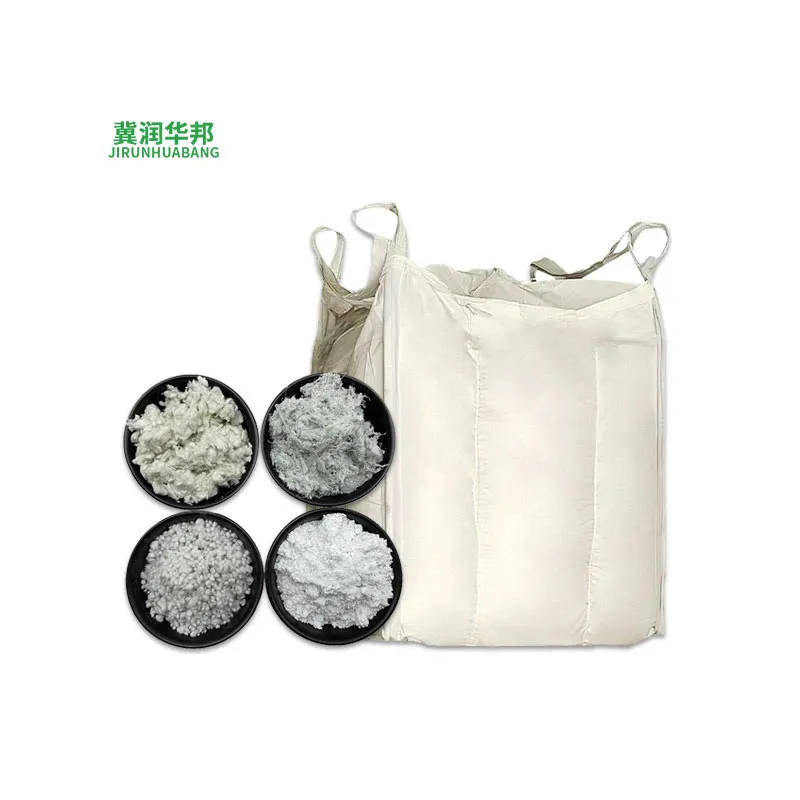
- Flexible intermediate bulk containers (FIBCs) – 500 kg or 1000 kg capacity, with dust‑tight spout.
- Corrugated cardboard boxes with inner bags – 5 kg retail‑size units for distributors.
- Custom packaging (e.g., valve bags, moisture‑barrier liners) available upon request.
All packages are labeled with batch number, production date, and safety handling instructions.
Quality Control Philosophy
Each lot undergoes systematic testing at the quarry and after milling. Initial verification includes silica content via XRF, particle size via laser diffraction, and moisture via thermogravimetric analysis. In‑process checks monitor bulk density and flowability using standardized funnel tests. Final product is inspected for foreign matter and packaged under controlled humidity to prevent clumping.
Documentation includes a Certificate of Analysis (CoA) summarizing the above parameters, and traceability is maintained from raw material source to dispatch.
Frequently Asked Questions
Yes, milling adjustments can shift the D₅₀ range between 5 µm and 30 µm to suit specific application equipment or target pest species.
Desired quantity, packaging type, delivery destination, and any special testing or certification needs.
The product is exempt from pesticide registration when used as a physical barrier; however, users should verify local food‑safety guidelines regarding dust exposure limits.
Contact for Technical Inquiry
For detailed datasheets, sample requests, or project‑specific consultation, please reach out to our technical team.