

China Diatomaceous Earth Powder
China Diatomaceous Earth Powder
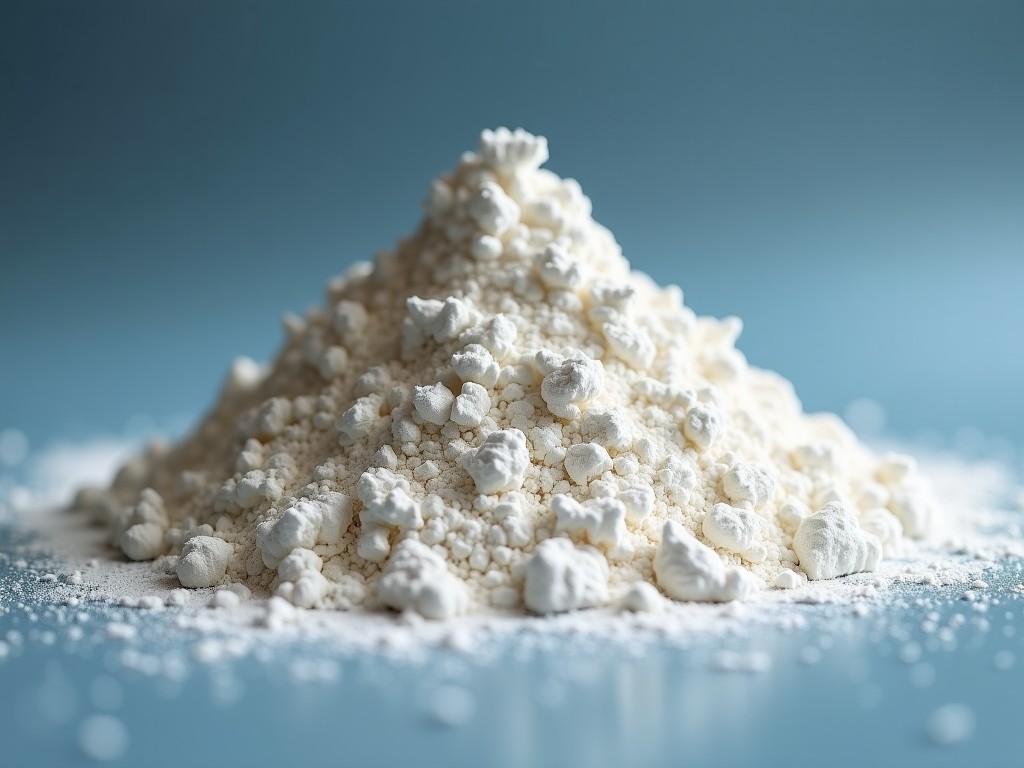
Diatomaceous earth is a naturally occurring siliceous sediment formed from the fossilized remains of diatoms, a type of hard‑shelled algae. The material consists predominantly of amorphous silica (SiO₂) with a porous microstructure that gives it high surface area and low bulk density. When milled to a fine powder, it retains the characteristic honeycomb‑like pore network that makes it effective as a filter aid, absorbent, and functional filler.
Chinese deposits yield diatomaceous earth with consistent purity levels, typically ranging from 85% to 95% SiO₂ after beneficiation. The remaining fraction includes minor amounts of aluminum oxide, iron oxide, and moisture, which are controlled during processing to meet specific industrial specifications.
Typical Chemical Composition
| Component | Typical Range (wt%) |
|---|---|
| Silicon Dioxide (SiO₂) | 85 – 95 |
| Aluminum Oxide (Al₂O₃) | 0.5 – 2.0 |
| Iron Oxide (Fe₂O₃) | 0.2 – 1.0 |
| Loss on Ignition (Moisture) | 5 – 12 |
Key Physical Characteristics
The powder exhibits a low tapped density, typically between 0.20 and 0.35 g/cm³, which facilitates easy suspension in liquids. Particle size distribution is controlled through milling and classification; common grades have a D₅₀ ranging from 5 µm to 25 µm, with a D₉₀ below 75 µm. These dimensions provide a balance between filtration efficiency and pressure drop.
Specific surface area, measured by BET analysis, generally falls between 15 and 30 m²/g, reflecting the extensive internal pore network. The material is chemically inert under neutral pH conditions, showing minimal reactivity with acids or bases at concentrations below 5 wt%.
Industrial Applications and Functional Benefits
In liquid filtration, diatomaceous earth forms a permeable cake that traps fine particulates while allowing high flow rates. Its porous structure reduces filter clogging and extends run time between backwashes, which is advantageous in beverage clarification, pharmaceutical processing, and wastewater treatment.
As an absorbent, the powder can retain up to 1.5 times its weight in liquids such as oils, solvents, and spilled chemicals. This property supports spill containment kits, industrial cleaning agents, and carrier systems for active ingredients in agrochemical formulations.
When used as a functional filler in plastics, paints, and adhesives, diatomaceous earth contributes to rheology control, reduces shrinkage, and improves barrier properties without significantly increasing weight. Its whiteness and low abrasiveness also make it suitable for polishing compounds and cosmetic powders.
- Beverage and liquid food clarification (beer, wine, juice)
- Pharmaceutical active ingredient filtration
- Oil and grease absorption in mechanical workshops
- Carrier for pesticides and fertilizers
- Functional filler in PVC, rubber, and coating systems
Manufacturing Considerations
Raw ore is first crushed and dried to reduce moisture content below 10 wt%. Subsequent calcination at temperatures between 800 °C and 1000 °C removes organic impurities and stabilizes the silica framework. The calcined material is then milled using air classifiers or jet mills to achieve the desired particle size distribution while minimizing fines generation.
Quality monitoring includes laser diffraction for particle sizing, X‑ray fluorescence for elemental analysis, and BET testing for surface area. Process adjustments are made based on real‑time data to keep the product within specification limits for each target grade.
Quality Assurance and Testing
Each batch undergoes a standardized test protocol: loss on ignition (LOI) to verify moisture, acid insoluble residue to assess purity, and sieve analysis to confirm particle size limits. Results are recorded in a batch traceability system that links raw material lot numbers to final product specifications.
For critical filtration applications, additional challenge testing with model particulates (e.g., latex beads) can be performed upon request to demonstrate retention efficiency and pressure drop characteristics under simulated process conditions.
Packaging, Storage, and Handling
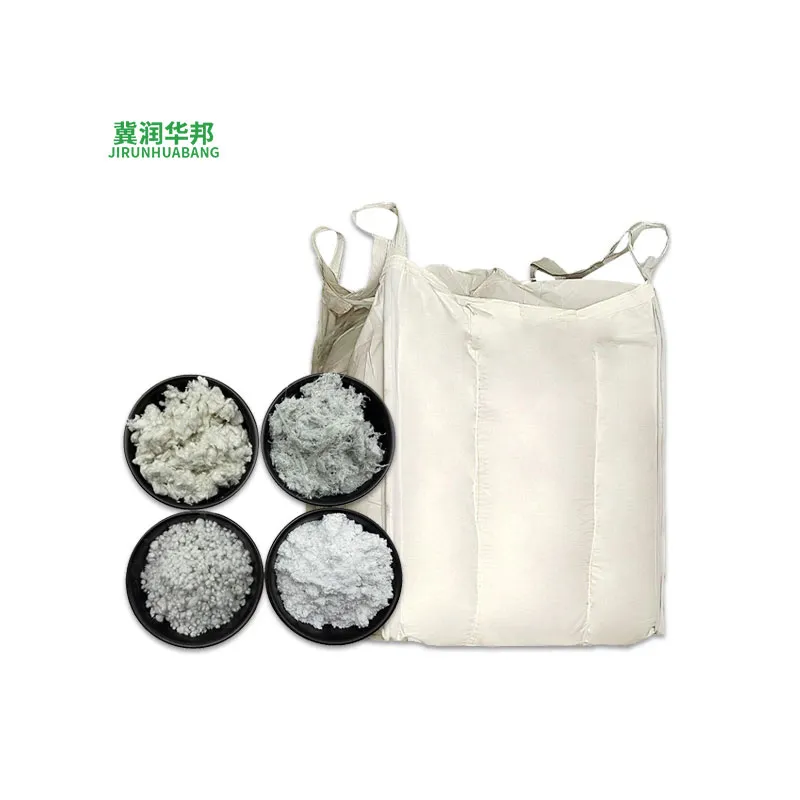
The powder is packaged in multi‑wall paper bags with an inner polyethylene liner, typically 25 kg net weight per bag. For bulk shipments, flexible intermediate bulk containers (FIBCs) of 500 kg or 1000 kg capacity are available, equipped with discharge spouts and dust‑tight seals.
Storage in a dry, well‑ventilated area prevents moisture uptake, which could affect flowability and increase caking. The material is non‑hazardous, but standard dust control measures—such as local exhaust ventilation and personal protective equipment—are recommended during handling to avoid respirable dust exposure.
Frequently Asked Questions
Can the particle size be customized? Yes, milling and classification parameters can be adjusted to produce finer or coarser grades based on filtration or filler requirements.
What information is needed for a quotation? Required details include target application, desired purity or SiO₂ content, particle size range (D₅₀, D₉₀), order quantity, and packaging preference.
Is the product available with food‑grade certification? Food‑grade material can be supplied upon request, subject to additional testing for heavy metals and microbiological limits as per relevant regulations.
How is quality consistency ensured across batches? Statistical process control (SPC) is applied to key parameters such as loss on ignition, residue on sieve, and surface area, with adjustment loops to maintain tight tolerances.
For technical datasheets, sample requests, or to discuss specific project requirements, please contact our sales engineering team.
Submit Inquiry