

China Pure Diatomaceous Earth
China Pure Diatomaceous Earth
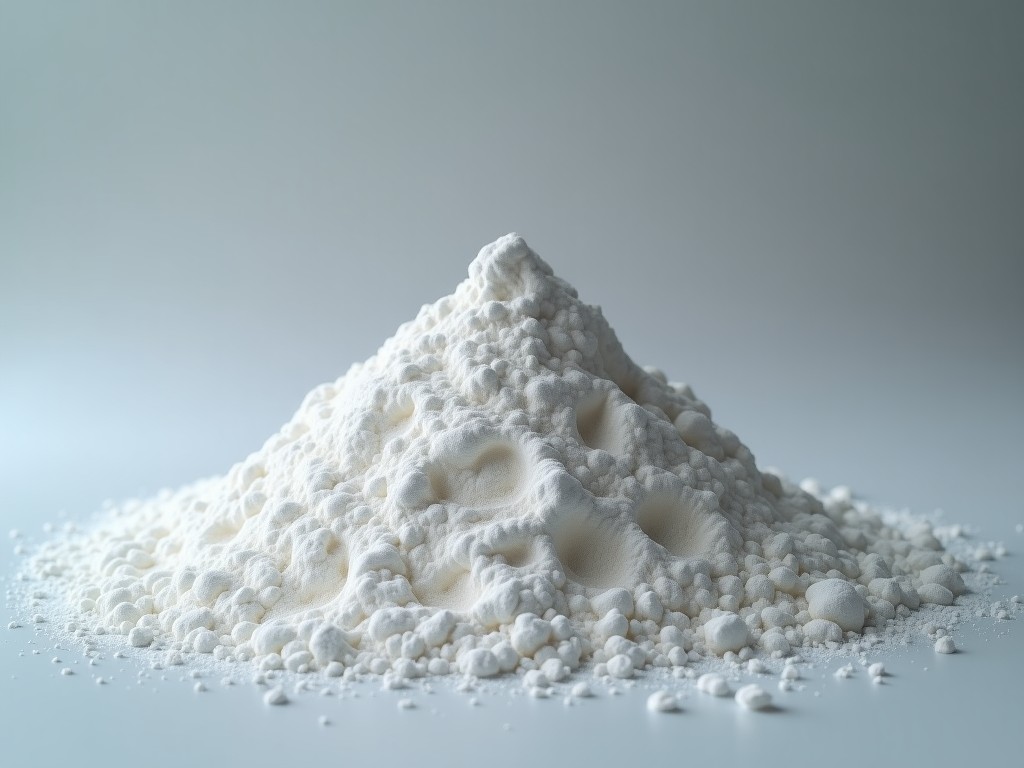
Diatomaceous earth is a naturally occurring sedimentary rock composed of fossilized silica shells of diatoms. When mined from specific deposits in China and processed to remove impurities, the material yields a high‑purity, amorphous silicon dioxide powder with a characteristic porous microstructure.
The product described here is classified as “pure” because the processing removes crystalline phases, organic matter, and metal oxides to achieve a silicon dioxide content typically above 90 % by weight, with a loss on ignition below 5 %.
Chemical and Physical Properties
Typical values for the pure grade are presented below. Actual figures may vary with deposit location and processing parameters; therefore, they are provided as a reference for engineering evaluation.
| Property | Typical Range | Test Method (Reference) |
|---|---|---|
| Silicon Dioxide (SiO₂) | 90 % – 96 % wt | X‑ray fluorescence (XRF) |
| Loss on Ignition (LOI) at 1000 °C | ≤ 5 % wt | Thermogravimetric analysis (TGA) |
| Bulk Density (loose) | 0.30 – 0.45 g/cm³ | ASTM C29 |
| pH (10 % slurry) | 7.5 – 9.0 | ASTM D1293 |
| Median Particle Size (D50) | 5 – 15 µm (adjustable by milling) | Laser diffraction |
| Specific Surface Area (BET) | 15 – 30 m²/g | BET nitrogen adsorption |
Manufacturing Considerations
Raw diatomite is extracted from quarries using low‑impact mechanical methods to preserve the fragile frustule structure. The ore undergoes primary crushing, followed by wet classification to remove coarse sand and clay fractions.
A subsequent acid leaching step (typically hydrochloric or sulfuric acid at controlled temperature) dissolves metallic impurities such as iron, aluminum, and calcium carbonates. The slurry is then filtered, washed to neutral pH, and dried.
Optional calcination at 800 – 900 °C removes residual organic matter and further stabilizes the silica framework, producing the final amorphous powder. Particle size distribution can be tuned by jet milling or air classification to meet specific filtration or absorption requirements.
Industrial Applications
The high porosity and inert chemistry of pure diatomaceous earth make it suitable as a functional filler or filter aid in processes where chemical resistance and low density are required.
- Filtration of beverages, pharmaceuticals, and chemicals – the uniform pore network captures fine particulates while maintaining high flow rates.
- Carrier for active ingredients in agrochemicals and pesticides – the large surface area adsorbs liquids, enabling controlled release formulations.
- Thermal insulation filler in lightweight concretes and plasters – low bulk density reduces weight without compromising fire resistance.
- Absorbent for spill control and industrial cleaning – the material retains oils and water‑based liquids through capillary action.
- Extender in paints and coatings – contributes to viscosity control and improves film hardness due to its rigid silica skeleton.
Quality Control and Testing
Each lot is subjected to a standardized test regimen before release. The protocol includes chemical composition verification, physical characterization, and performance screening.
- XRF for SiO₂ and major oxides (Fe₂O₃, Al₂O₃, CaO).
- Loss on ignition to confirm removal of organics.
- Laser diffraction for particle size distribution (D10, D50, D90).
- BET surface area measurement.
- Filtration efficiency test using a standard slurry (e.g., kaolin suspension) to measure pressure drop and clarity.
Results are recorded in a batch traceability system; certificates of analysis are available upon request.
Packaging and Logistics
The product is hygroscopic; therefore, packaging is designed to limit moisture uptake during transport and storage.
- Multi‑wall paper bags with inner polyethylene liner, 25 kg net weight.
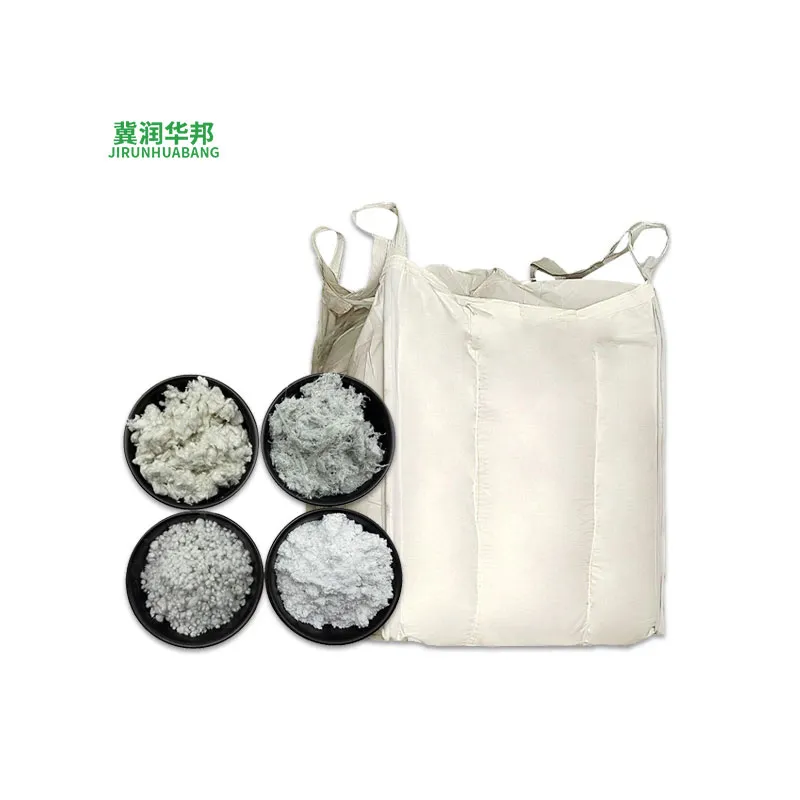
- Polypropylene bulk bags (FIBC) with moisture‑barrier coating, 500 kg or 1000 kg capacity.
- Optional palletizing and stretch‑wrapping for containerized shipments.
Shelf life is stable for at least 24 months when kept in a dry, ventilated environment below 30 °C.
Frequently Asked Questions
Yes. Jet milling or air classification can adjust D50 from approximately 2 µm to 30 µm according to filtration or absorption needs.
What information is required before quotation?Desired quantity, target particle size range, packaging preference, and any specific certification (e.g., FDA, REACH) are helpful for an accurate quote.
Are there minimum order quantities?Standard MOQ is 1 tonne for bagged product; bulk bag orders can be negotiated lower depending on logistics.
How is quality inspected?Each batch undergoes XRF, LOI, laser diffraction, BET, and a filtration performance test as outlined in the quality control section.
What packaging methods are available?Multi‑wall paper bags with PE liner, polypropylene FIBCs, and custom options upon request.
How are export shipments protected?Goods are loaded into dry containers, with desiccant packs and moisture‑barrier liners to prevent humidity ingress during transit.
What is the typical production lead time?Lead time ranges from 2 to 4 weeks after order confirmation, dependent on volume and packaging selection.
Get in Touch
For technical datasheets, sample requests, or project‑specific consultation, please contact our sales engineering team.