


Diatomaceous Earth Chicken Coop Factory
Diatomaceous Earth Chicken Coop Factory
Diatomaceous earth (DE) is a naturally occurring sedimentary rock composed of the fossilized silica shells of microscopic algae known as diatoms. When processed into a fine powder, it exhibits high porosity and abrasive characteristics that make it suitable for use as a functional additive in poultry housing environments. In a chicken coop factory setting, DE is typically incorporated into litter or bedding mixtures to manage moisture and reduce pathogenic load.
Material Composition and Properties
The primary constituent of DE is amorphous silicon dioxide, typically representing 80% to 90% of the dry weight. Trace amounts of aluminum oxide, iron oxide, and calcium carbonate may be present depending on the geological source. The material exhibits a bulk density ranging from 0.2 to 0.4 g/cm³ and a particle size distribution where 50% of particles fall below 20 µm.
- Porosity: 60% to 70% void fraction, enabling moisture absorption.
- Specific surface area: 20 to 30 m²/g, providing ample sites for adsorption.
- pH neutral (6.5–7.5) when dry, minimizing impact on litter chemistry.
- Loss on ignition at 950 °C typically below 5%, indicating low organic content.
Technical Specifications
| Property | Typical Value | Unit | Notes |
|---|---|---|---|
| Bulk density | 0.25 | g/cm³ | Range 0.20–0.30; customizable |
| D50 particle size | 18 | µm | Adjustable via milling |
| Specific surface area | 25 | m²/g | Range 20–30; grade dependent |
| Water absorption rate | 150 | % (wt/wt) | Measured after 24 h immersion |
| pH (10% slurry) | 7.0 | – | Range 6.5–7.5; stable in litter |
| Loss on ignition (950 °C) | 3 | % | Indicates low organic content |
| Heavy metal limits (Pb, Cd, As, Hg) | < 10 | ppm each | Feed‑grade compliant |
Application in Chicken Coop Construction
In poultry housing, DE functions as a desiccant that captures excess moisture from droppings, thereby lowering litter water activity and inhibiting bacterial growth.
Its sharp microscopic edges provide a mechanical barrier against external parasites such as mites and lice, reducing reliance on chemical treatments.
When blended at 5% to 10% by weight into bedding material, DE maintains its effectiveness for several flock cycles before requiring replenishment.
DE also serves as a dust‑bath medium; chickens instinctively roll in the fine powder, which helps remove excess oil and feathers while the abrasive action disrupts parasite exoskeletons.
Customization Options
Particle size can be tailored to specific process equipment, ranging from coarse granules for bulk handling to ultrafine powders for spray‑drying applications.
- Particle size distribution (D10, D50, D90) adjustable via jet milling or air classification.
- Bulk density modifications through controlled compaction or agglomeration.
- Surface treatment options (e.g., silanization) to alter hydrophobicity.
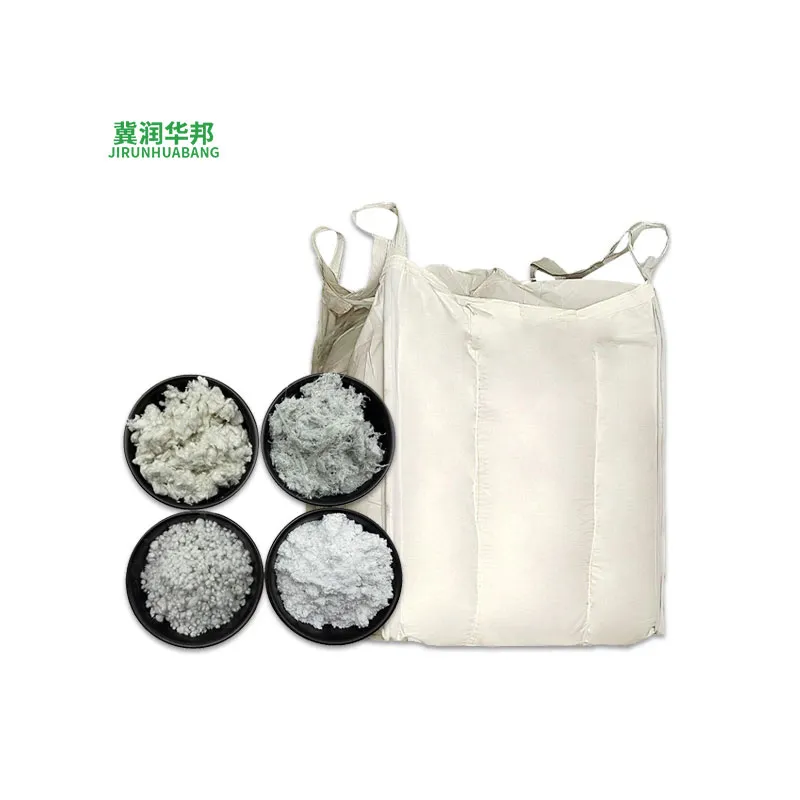
- Packaging formats: 25 kg multi‑wall paper bags, 500 kg FIBCs, or bulk pneumatic tanker loads.
Quality Control and Testing
Each batch undergoes sieve analysis to verify conformity with the specified particle size envelope.
Moisture content is measured by loss on drying at 105 °C and kept below 5% to prevent clumping during storage.
| QC Parameter | Test Method | Acceptance Criteria |
|---|---|---|
| Particle size distribution | Laser diffraction | D50 15–22 µm |
| Moisture content | Gravimetric (105 °C) | ≤5 % |
| pH (10% slurry) | Electrometric | 6.5–7.5 |
| Loss on ignition | Thermogravimetric (950 °C) | ≤5 % |
| Heavy metals (Pb, Cd, As, Hg) | ICP‑MS | ≤10 ppm each |
Packaging and Logistics
Finished DE is packaged in moisture‑barrier laminated bags to maintain product integrity during transit and storage.
Palletized units are stretch‑wrapped and labeled with batch numbers, enabling traceability from raw material source to end user.
FAQ
Can the particle size be adjusted for specific litter mixing equipment?
Yes, DE can be milled to custom D10, D50, and D90 specifications to match the throughput and mixing characteristics of your equipment.
What is the typical lead time for bulk orders?
Lead times depend on order volume and customization; standard bulk shipments usually ship within 2–3 weeks after receipt of a firm purchase order.
What certifications accompany the product?
The material is supplied with feed‑grade compliance documentation and can be provided with organic‑input certification upon request.
How is the product protected against moisture during shipment?
DE is packed in multi‑wall bags with an internal polyethylene liner; palletized loads are stretch‑wrapped and include desiccant packs when required for long‑haul transit.
Contact for Inquiry
For technical details, customization requests, or a formal quotation, please request a quote through our contact portal.