

Diatomaceous Earth Chicken Coop
Diatomaceous Earth for Chicken Coop Management
Diatomaceous earth (DE) originates from the fossilized remains of microscopic algae called diatoms. After mining, the material is milled to a fine powder whose particles are largely amorphous silica with a characteristic porous structure.
Composition and Key Properties
Typical DE contains 85‑90 % silicon dioxide, with trace amounts of aluminum oxide, iron oxide, and calcium carbonate. The bulk density usually ranges from 0.3 to 0.5 g /cm³, reflecting its low mass per unit volume due to high porosity.
Particle size distribution is often characterized by a D50 between 10 and 20 µm, with a significant fraction below 5 µm contributing to its high surface area. The porous network provides a moisture adsorption capacity of up to 1.5 g water per gram of DE under saturated conditions.
Why DE Suits Chicken Coop Environments
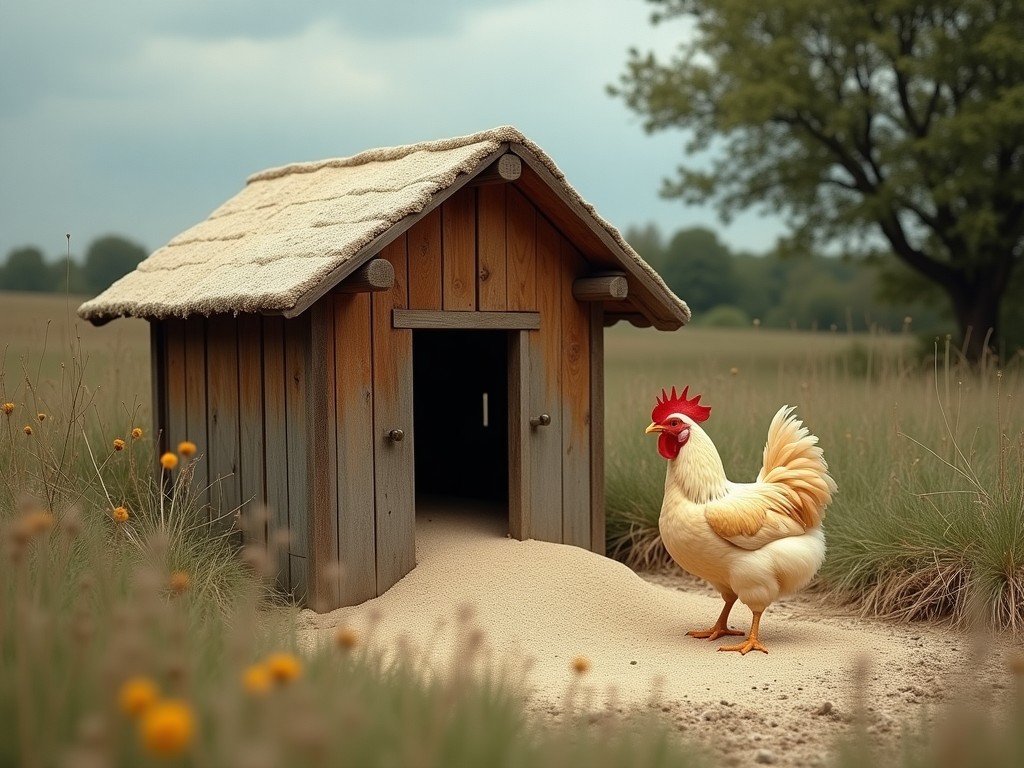
In poultry housing, moisture control directly influences litter quality and bird health. DE’s ability to adsorb water helps reduce litter dampness, which in turn lowers ammonia production and limits bacterial proliferation.
The abrasive nature of the silica particles, when applied as a thin layer, creates a physical barrier that can disrupt the exoskeleton of certain ectoparasites, leading to desiccation. This mechanism does not rely on chemical toxicity, making it compatible with organic farming standards when food‑grade DE is used.
Application Guidelines
For litter treatment, distribute DE evenly at a rate of 100‑150 g per square meter of floor area. Re‑apply after each litter change or when moisture readings indicate a return to baseline dampness.
When targeting external parasites, lightly dust roosts, nesting boxes, and perimeter areas with a thin, visible coating. Avoid excessive accumulation that could impede bird movement or cause respiratory irritation.
Personal protective equipment such as a dust mask and goggles is recommended during handling to prevent inhalation of fine particles, even though the silica is amorphous and generally regarded as low risk.
Quality and Safety Considerations
Food‑grade DE must meet specific criteria: lead content below 10 ppm, arsenic below 2 ppm, and crystalline silica content under 1 % to ensure minimal respiratory hazard. Suppliers typically provide a certificate of analysis upon request.
Storage in a dry, sealed container prevents premature moisture uptake, preserving the adsorptive capacity. Shelf life exceeds two years when kept away from direct sunlight and humidity.
Typical Specifications
| Property | Typical Value | Notes |
|---|---|---|
| Silicon Dioxide (SiO₂) Content | 85‑90 % | Amorphous phase |
| Bulk Density | 0.3‑0.5 g /cm³ | Dependent on milling grade |
| Particle Size D50 | 10‑20 µm | Adjustable via classification |
| Moisture Adsorption Capacity | Up to 1.5 g g⁻¹ | At 90 % RH |
| pH (10 % slurry) | 7‑9 | Near neutral |
| Crystalline Silica | < 1 % | Food‑grade limit |
Frequently Asked Questions
Can the particle size be customized for specific coop designs?
Yes, manufacturers can adjust milling and classification to produce finer or coarser grades depending on whether the priority is maximum adsorption or minimal dust generation.
What information is required to obtain a quotation?
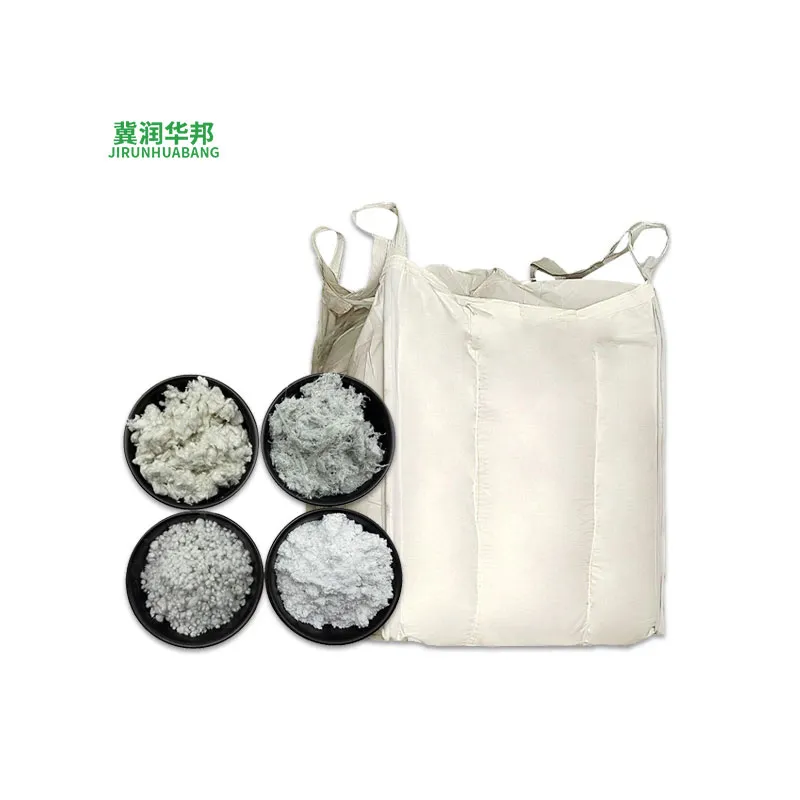
Needed details include required quantity, preferred grade (food‑grade or feed‑grade), packaging format (bulk bag, valve sack, or retail pouch), and delivery destination.
How is product quality verified before shipment?
Standard practice involves sampling each batch for SiO₂ content, moisture level, and heavy‑metal screening, with results documented in a batch‑specific certificate of analysis.
Get More Information
For technical data sheets, sample requests, or to discuss a custom specification for your poultry operation, please contact our sales team.
Contact Us