


Diatomaceous Earth Dispenser Factory Exporter
Diatomaceous Earth Dispenser – Factory Exporter Specifications
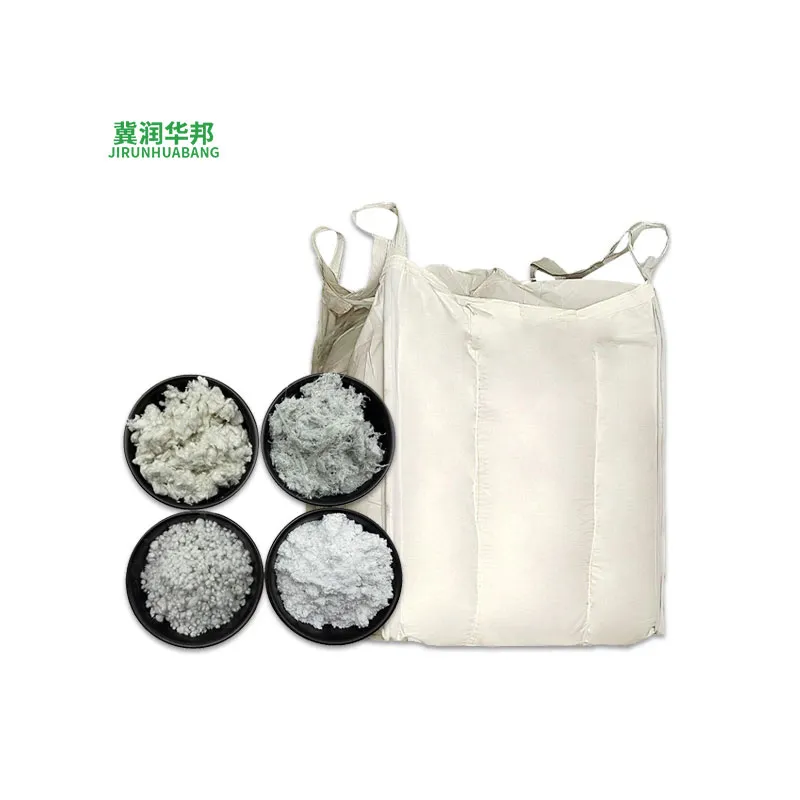
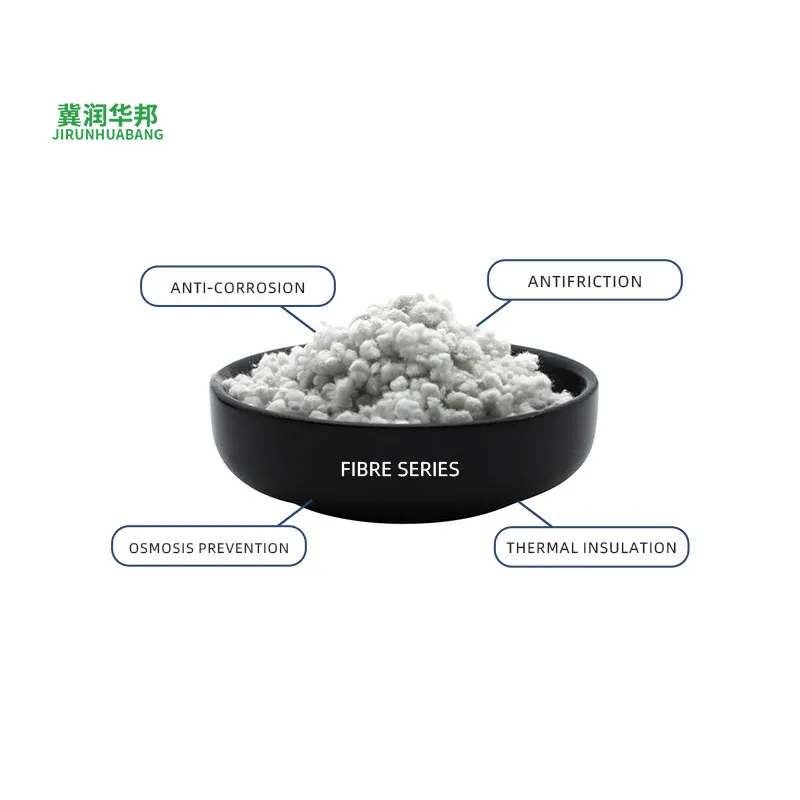
Diatomaceous earth (DE) is a porous, silica‑based powder used as a filter aid, anti‑caking agent, and carrier in agro‑chemical formulations. A dispenser meters this abrasive material with consistent flow to avoid clogging and ensure uniform dosing in downstream processes.
Technical Overview
The dispenser operates on a gravity‑fed screw feeder equipped with a variable‑speed drive. A stainless‑steel hopper holds the powder, while a precision‑machined auger transports DE to the discharge nozzle. Speed control adjusts mass flow rate, and optional pneumatic assists can break up agglomerates.
Key Specifications
| Parameter | Typical Value | Customizable Options |
|---|---|---|
| Construction Material | Stainless steel 304 (food grade) | 316L, coated liners, Hastelloy for corrosive additives |
| Hopper Capacity | 50 L to 500 L | Custom volumes up to 2000 L |
| Dosing Accuracy | ±1 % of set point | ±0.5 % with closed‑loop feedback |
| Mass Flow Rate | 5 kg/h – 500 kg/h | Higher rates with larger screw diameter |
| Operating Pressure | Atmospheric to 2 bar (gauge) | Pressure‑rated designs up to 5 bar |
| Power Supply | 380 V / 50 Hz three‑phase | 220 V / 60 Hz, explosion‑proof motors |
| Overall Dimensions (L×W×H) | 800 mm × 600 mm × 1200 mm (base 50 L) | Scalable with modular frames |
| Weight (empty) | 120 kg (50 L unit) | Scales linearly with size |
| Inlet / Outlet Connection | Flanged DN50, clamp‑type | Tri‑clover, threaded NPT, custom adapters |
Application Considerations
In filtration lines, DE acts as a porous filter cake that captures fine particulates; consistent cake thickness depends on uniform powder feed. Variations in feed rate cause uneven cake formation, leading to pressure drops or breakthrough. The dispenser’s controllable screw speed maintains cake thickness within ±0.2 mm, extending filter run time.
For agro‑chemical carriers, DE absorbs active ingredients and improves flowability of granular blends. Precise dosing ensures the active‑to‑carrier ratio stays within formulation tolerances, which directly impacts product efficacy and regulatory compliance. The auger design minimizes product degradation by keeping shear forces below 0.5 Pa.
Customization Options
- Hopper liners made of UHMW‑PE or PTFE to reduce abrasion and prevent material buildup.
- Variable frequency drives with programmable acceleration ramps for soft start.
- Integrated load‑cell feedback for gravimetric dosing.
- Explosion‑proof enclosure (ATEX Zone 2) for environments with fine dust clouds.
- Quick‑change screw cartridges for rapid material switch‑over.
- Sanitary design with CIP‑spray nozzles and 3‑A compliant surfaces.
Quality Control & Testing
Each unit undergoes dimensional inspection of hopper and screw tolerances using CMM, confirming clearance within ±0.1 mm. A hydrostatic pressure test at 1.5× design pressure verifies weld integrity. Flow calibration is performed with certified DE powder, logging mass flow versus speed to generate a correction curve stored in the drive.
Material certificates (EN 10204 3.1) are provided for all wetted parts. Final visual inspection checks for surface finish (Ra ≤0.8 µm) and absence of sharp edges. Test reports are bundled with the shipment documentation.
Packaging & Export
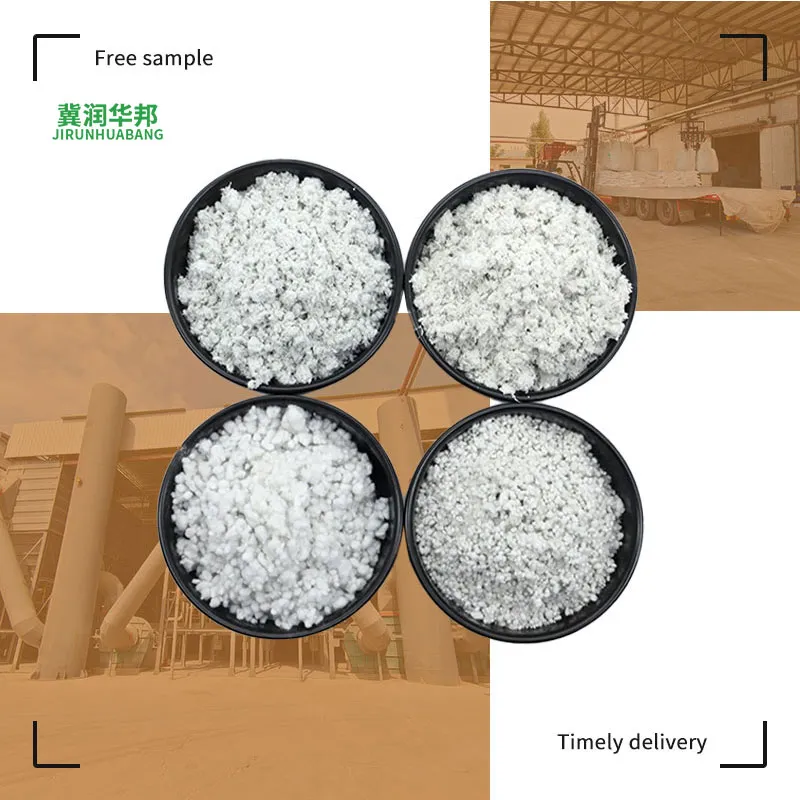
Dispensers are secured on steel pallets with corner protectors and wrapped in UV‑stable polyethylene film. Desiccant bags control humidity inside the crate to prevent powder clumping during transit. For sea freight, crates meet ISPM‑15 standards and are fitted with shock‑absorbing pallets.
Export documentation includes commercial invoice, packing list, certificate of origin, and material safety data sheet (MSDS) for diatomaceous earth. Loading supervision ensures the center of gravity remains within safe limits for container handling.
Frequently Asked Questions
Can dimensions be customized to fit existing line layouts?
Yes. The hopper diameter, screw length, and frame height are adjustable in increments of 50 mm. Provide your installation envelope and we will generate a CAD layout.
What information is required before quotation?
Required data include target flow rate (kg/h), material bulk density, operating temperature, pressure conditions, and any hazardous area classifications. Electrical supply details and preferred connection types also help size the drive.
What materials are available for wetted parts?
Standard is SS 304; optional upgrades to SS 316L, nickel‑alloy C‑276, or polymer‑lined versions. All options are supplied with mill test certificates.
How is quality inspected?
Inspection includes dimensional checks, pressure testing, flow calibration, material certification, and surface finish measurement. Records are retained for five years.
What packaging methods are available?
Standard is palletized crate with film wrap; options include wooden cases, vacuum‑sealed bags for sensitive powders, and container‑ready skids with lifting lugs.
How are export shipments protected?
Shipments use moisture‑barrier liners, shock‑absorbing pallets, and corner braces. Each crate is labeled with handling symbols and includes a packing list inside a waterproof sleeve.
What is the typical production lead time?
Lead time ranges from 6 to 8 weeks for standard configurations; customized units may require 10 to 12 weeks, depending on material availability and design complexity.
How are samples arranged?
We can provide a functional test unit rented for up to two weeks, with shipping costs covered by the requester. A performance report is issued after the trial.
Contact for Inquiry
For technical drawings, pricing, or to discuss specific requirements, please reach out to our export department.
Request a quotation