
Diatomaceous Earth For Human Use Dosage
Diatomaceous Earth for Human Use: Dosage and Technical Overview
Overview of Food‑Grade Diatomaceous Earth
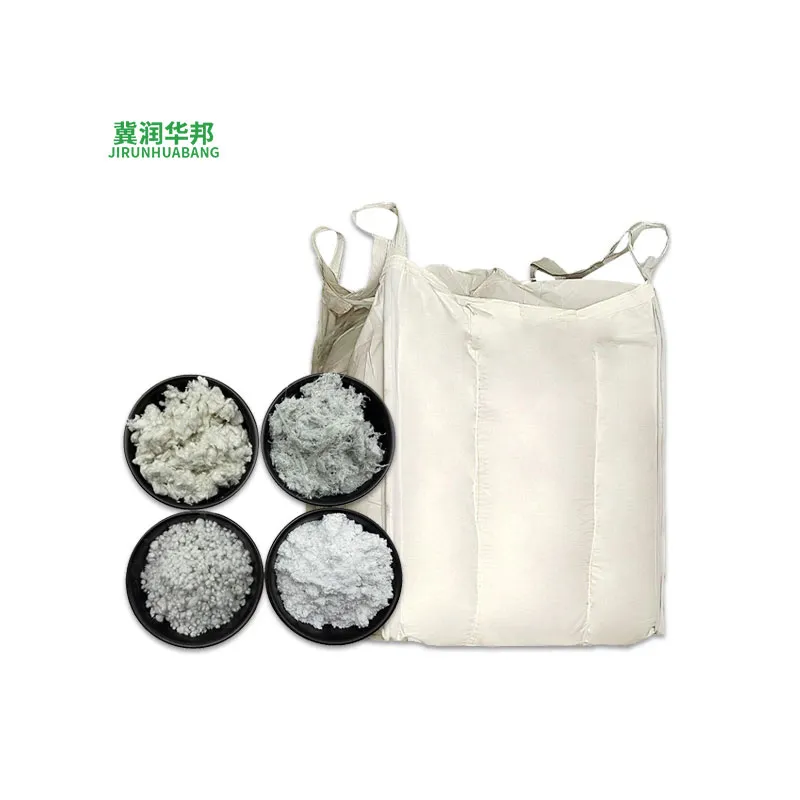
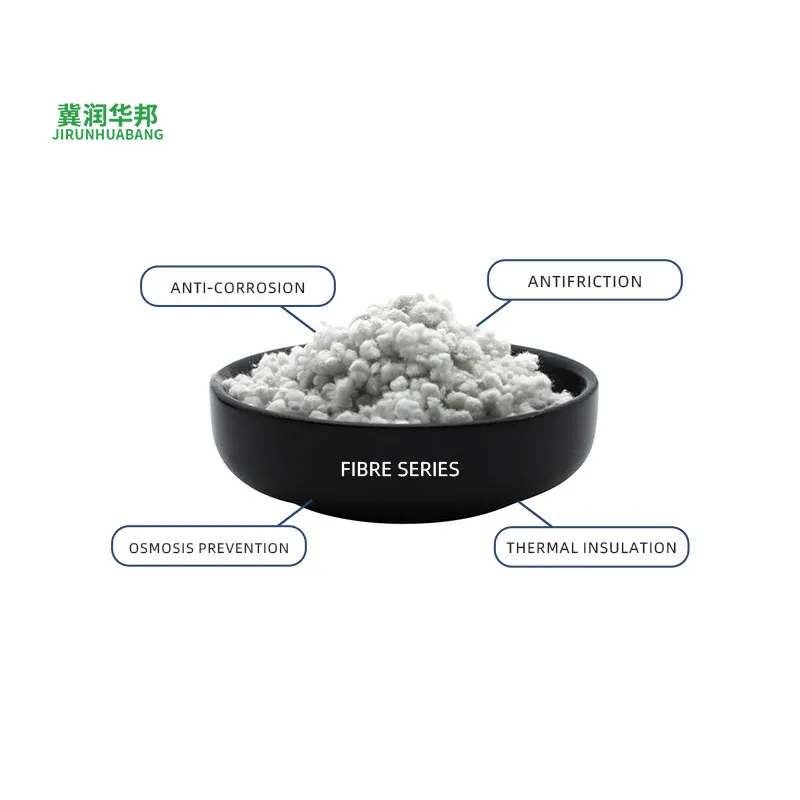
Food‑grade diatomaceous earth (DE) consists of the fossilized remains of diatoms, primarily amorphous silicon dioxide (SiO₂). Unlike crystalline silica, the amorphous form is considered safe for oral consumption when processed to meet food‑grade specifications. The material is a porous, white to off‑white powder with a high surface area due to its microscopic frustule structure.
Chemical Composition and Purity Limits
Typical food‑grade DE contains 85‑95 % amorphous SiO₂, with the remainder comprising trace amounts of alumina (Al₂O₃), iron oxide (Fe₂O₃), and moisture. Heavy metal limits are strictly controlled: lead < 10 ppm, arsenic < 2 ppm, cadmium < 1 ppm, and mercury < 0.1 ppm, based on international food‑additive guidelines.
Loss on drying (LOD) is usually below 5 % to ensure microbiological stability, and the pH of a 10 % aqueous suspension ranges from 7 to 9, indicating a neutral to mildly alkaline nature.
Particle Size Characteristics
The particle size distribution influences both handling and gastrointestinal transit. Food‑grade DE is typically milled to a median diameter (D50) of 10‑20 µm, with 95 % of particles below 45 µm. This range minimizes respiratory irritation while providing sufficient surface area for adsorption interactions in the digestive tract.
Dosage Guidelines for Human Consumption
Clinical anecdotal use suggests a starting dosage of ½ teaspoon (≈2.5 g) per day, mixed with water or juice, gradually increasing to 1‑2 teaspoons (≈5‑10 g) per day based on individual tolerance. Dosage is expressed as dry weight; the volume measure varies with bulk density, which typically falls between 0.2‑0.3 g cm⁻³ for milled food‑grade DE.
Factors influencing appropriate dosage include intended purpose (e.g., digestive support vs. mineral supplementation), existing gastrointestinal conditions, and concurrent intake of medications or supplements that may adsorb to the silica surface. It is advisable to consult a healthcare professional before exceeding 10 g daily.
Safety and Handling Considerations
Although amorphous silica is low‑toxicity, inhalation of fine dust can cause respiratory irritation; therefore, handling should occur in a well‑ventilated area or with a dust mask meeting NIOSH N95 standards. The material is non‑flammable and chemically stable under ambient storage conditions.
Microbiological specifications for food‑grade DE require total plate count < 10³ CFU g⁻¹, yeast and mold < 10² CFU g⁻¹, and absence of Salmonella and E. coli in 25 g samples. These limits are verified through routine batch testing.
Applications in Human Nutrition
Food‑grade DE is used as a source of soluble silica, which may support collagen formation and connective tissue health. Its adsorptive capacity allows it to bind certain gases and toxins in the gastrointestinal lumen, potentially reducing bloating and supporting regular bowel movements.
Because the silica is amorphous and does not accumulate in tissues, it is considered a safe dietary additive when used within established dosage limits. The product’s high surface area also makes it a useful carrier for probiotics or nutraceuticals in formulation.
Quality Assurance and Testing Protocols
- X‑ray diffraction (XRD) to confirm amorphous silica profile and absence of crystalline phases.
- Inductively coupled plasma mass spectrometry (ICP‑MS) for trace metal quantification.
- Loss on drying, pH, and bulk density measurements per USP <61> and <62> guidelines.
Each batch is accompanied by a certificate of analysis (CoA) documenting compliance with food‑grade specifications. Shelf‑life studies typically show stability for 24 months when stored in sealed, moisture‑barrier packaging below 25 °C.
Typical Specifications
| Parameter | Typical Value | Test Method |
|---|---|---|
| Amorphous SiO₂ content | 85‑95 % | XRF / XRD |
| Lead (Pb) | < 10 ppm | ICP‑MS |
| Arsenic (As) | < 2 ppm | ICP‑MS |
| Median particle size (D50) | 10‑20 µm | Laser diffraction |
| Bulk density | 0.20‑0.30 g cm⁻³ | ASTM B212 |
| Loss on drying (105 °C, 2 h) | < 5 % | USP <731> |
| pH (10 % slurry) | 7.0‑9.0 | ASTM D1293 |
Frequently Asked Questions
- Can the particle size be customized? Yes, milling parameters can be adjusted to achieve D50 values from 5 µm to 50 µm according to project requirements.
- What information is needed for a quotation? Required details include desired purity grade, target particle size, order quantity, packaging preference, and destination for freight calculation.
- What packaging options are available? Standard offerings are 25 kg multi‑wall paper bags with polyethylene liner, 500 g resealable pouches, and bulk flexible intermediate bulk containers (FIBCs) upon request.
- How are export shipments protected? Goods are packed in moisture‑barrier inner liners, placed on pallets, and secured with stretch wrap; fumigation‑treated pallets comply with ISPM 15.
- What is the typical lead time? Production lead time ranges from 2‑4 weeks for stocked grades; custom specifications may extend to 6‑8 weeks.
Contact for Technical Inquiry
For detailed specifications, sample requests, or to discuss formulation support, please reach out via the contact form or email. Our technical team will provide the necessary documentation and assist with compliance verification for your application.
Request Quotation & Technical Support