




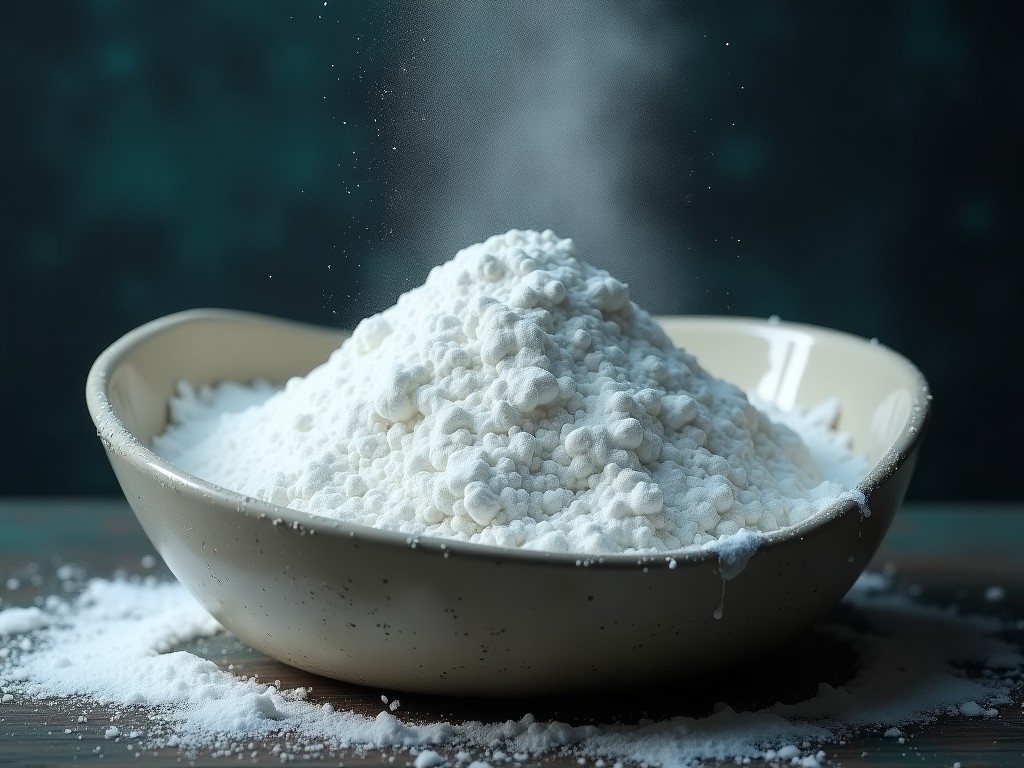
Diatomaceous Earth For Humans How To Use
Diatomaceous Earth for Human Use: Technical Overview and Application Guidelines
Diatomaceous earth (DE) is a naturally occurring sediment composed of fossilized diatom frustules, primarily amorphous silicon dioxide (SiO₂). Food‑grade DE contains ≤ 1 % crystalline silica and meets strict heavy‑metal limits, making it suitable for limited internal and topical human applications when processed under controlled conditions.
Typical Product Specifications
| Parameter | Typical Value (Food Grade) | Test Method |
|---|---|---|
| Silicon Dioxide (SiO₂) content | ≥ 85 % | X‑ray fluorescence (XRF) |
| Moisture loss (105 °C, 2 h) | ≤ 5 % | Thermo‑gravimetric analysis |
| Bulk density (loose) | 0.30–0.45 g/cm³ | ASTM D1895 |
| pH (10 % slurry) | 7.5–9.0 | ASTM D1293 |
| Particle size (d₅₀) | 10–20 µm | Laser diffraction |
| Crystalline silica (quartz) | ≤ 1 % | X‑ray diffraction (XRD) |
Food‑Grade vs. Industrial Grade Distinctions
Food‑grade DE undergoes additional purification to reduce crystalline silica below 1 % and limit heavy metals (Pb, As, Cd, Hg) to < 10 ppm each. Industrial grades may contain higher crystalline silica fractions and are not intended for ingestion. The distinction is critical for internal human use, where only material meeting food‑grade standards should be considered.
Typical food‑grade specifications also require a total aerobic plate count < 10³ CFU/g and absence of coliforms, ensuring microbiological safety for oral consumption.
Mechanisms of Relevance to Human Applications
The amorphous silica particles exhibit high surface area and mild abrasiveness, enabling physical adsorption of lipids and toxins in the gastrointestinal tract. When used topically, the fine particles can absorb excess sebum and moisture, providing a drying effect without chemical irritation.
Because DE is chemically inert, it does not undergo metabolic transformation; its action is purely mechanical, which simplifies safety profiling when particle size remains above the respirable threshold (< 5 µm) to avoid pulmonary exposure.
Recommended Usage Methods for Humans
- Internal consumption: food‑grade powder mixed with water, juice, or smoothies; typical serving 1 teaspoon (≈ 2.5 g) once daily.
- Encapsulated forms: pre‑measured 500 mg–1 g capsules for controlled dosing.
- Topical application: dry powder dusted on skin or incorporated into masks at 5–10 % w/w for oil absorption.
- Dental hygiene: occasional use as a mild abrasive in toothpaste formulations at ≤ 2 % w/w.
Dosage and Administration Guidelines
For oral use, start with ½ teaspoon (≈ 1.2 g) diluted in at least 200 mL of water to assess tolerance. Increase gradually to a maximum of 2 teaspoons (≈ 5 g) per day, divided into two doses, unless otherwise directed by a healthcare professional. Adequate fluid intake (≥ 2 L/day) is recommended to facilitate passage through the digestive tract.
Topical use should not exceed 10 % w/w in cosmetic preparations; apply to clean skin and remove after 10–15 minutes to prevent excessive dryness. Avoid inhalation during handling; use a dust mask if powder becomes airborne.
Safety, Handling, and Storage
The primary hazard is respiratory irritation from fine dust; therefore, handling should occur in a ventilated area with optional use of N95 respirators. Skin contact is generally benign, but prolonged exposure may cause mild desiccation; wash with soap and water after use.
Store in a cool, dry place within sealed containers made of HDPE or multilayer polypropylene to prevent moisture uptake. Shelf life is typically 24 months when kept below 30 °C and relative humidity < 60 %.
Quality Control and Testing Protocol
Each batch undergoes verification of SiO₂ content, moisture, bulk density, pH, and particle size distribution. Heavy‑metal screening (Pb, As, Cd, Hg) is performed via ICP‑MS, with acceptance limits < 10 ppm. Microbiological assessment includes total aerobic count, yeast/mold, and absence of pathogens (Salmonella, E. coli). All testing follows AOAC or ISO standards as applicable.
Packaging Options
- 25 kg multi‑wall paper bags with inner polyethylene liner for bulk supply.
- 5 kg resealable HDPE pouches for retail or laboratory use.
- 500 g and 1 kg PET jars with tamper‑evident lids for consumer‑ready products.
- Custom private‑label packaging available upon request.
Frequently Asked Questions
A: Yes, milling or air classification can produce grades ranging from 5 µm to 50 µm d₅₀, subject to minimum order quantities.
A: Certificate of Analysis (CoA), Safety Data Sheet (SDS), and, for food‑grade material, a Food Contact Compliance statement.
A: Export is permitted where the product complies with local food additive regulations; we can provide support for registration dossiers.
Contact for Technical Inquiry or Sample Request
For detailed specifications, customization options, or to request a food‑grade sample, please reach out to our technical team.
Submit Inquiry