




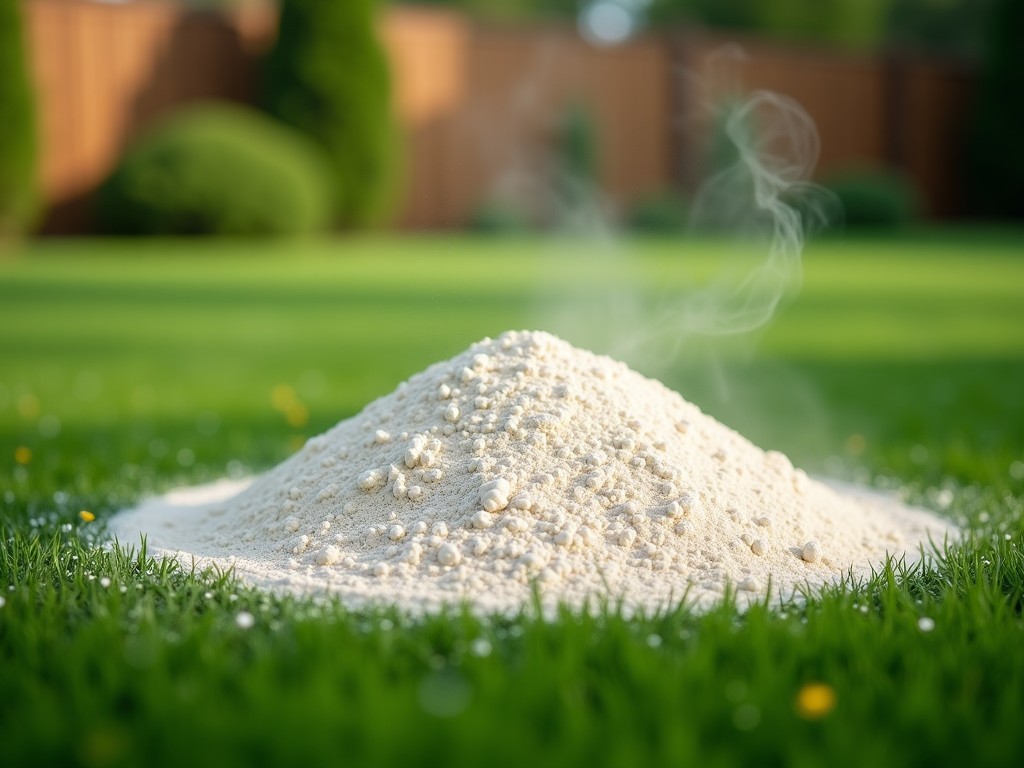
Diatomaceous Earth For Lawns And Yard
Diatomaceous Earth for Lawns and Yard
Overview
Diatomaceous earth originates from freshwater deposits where microscopic diatoms accumulated over millennia. The resulting rock is primarily amorphous silica, typically containing 85‑95 % SiO₂ by weight. After mining, the material is milled to a controlled particle size distribution suitable for turf applications.
Physical Characteristics
The powder exhibits a bulk density ranging from 0.2 to 0.4 g cm⁻³, reflecting its highly porous morphology. Individual particles are irregular, often featuring honeycomb‑like structures that contribute to a specific surface area of 20‑40 m² g⁻¹. Moisture content after processing is usually kept below 0.5 % to maintain flowability.
Particle size distribution for lawn grades commonly falls between 10 µm and 250 µm, with a median (D50) around 45 µm. This range ensures the material can infiltrate the root zone without causing excessive surface abrasion. The pH of a water suspension is typically neutral, measuring 6.5‑7.5.
Functional Benefits for Turf
When incorporated into soil, diatomaceous earth improves water retention by increasing the capillary holding capacity of the root zone. Its porous particles can adsorb and slowly release nutrients, reducing leaching of applied fertilizers. The mechanical action of the sharp silica edges provides a physical barrier that can deter soft‑bodied invertebrates such as aphids and larvae.
Because the material is chemically inert, it does not alter soil pH or interfere with microbial activity. Over time, the particles gradually break down, contributing to the silicate fraction of the soil without accumulating harmful residues. This gradual degradation supports long‑term soil structure improvement.
Application Guidelines
For established lawns, a broadcast rate of 100‑200 g m⁻² is typical, applied using a rotary spreader to achieve uniform coverage. Incorporation into the top 5‑10 cm of soil via light raking or aeration enhances contact with roots. Timing the application during early spring or fall aligns with periods of active root growth.
When used as a top‑dressing for pest suppression, a lighter rate of 50 g m⁻² can be spread over the foliage and lightly watered in to activate the mechanical barrier effect. Compatibility with most granular fertilizers and seed coatings has been observed, but a small‑scale trial is recommended before full‑field implementation.
Safety and Handling
Diatomaceous earth is classified as a nuisance dust; inhalation of fine particles should be minimized. Using a dust mask rated for particulate filtration (e.g., N95) and protective eyewear is advised during bulk handling. The material is non‑toxic to mammals, birds, and beneficial insects when used as directed.
Storage in a dry, ventilated area prevents clumping and maintains flow properties. Spills can be swept up with a broom and disposed of in accordance with local regulations for inert solids. No special hazardous waste procedures are required.
Packaging Options
- 25 kg multi‑wall polyethylene bags with inner liner for moisture protection
- 50 kg valve‑sealed bags suitable for palletized handling
- Bulk super sacks (500 kg) equipped with discharge spouts for large‑scale operations
- Custom packaging available upon request, including biodegradable bags
Typical Specifications
| Parameter | Typical Value | Notes |
|---|---|---|
| Silica (SiO₂) content | 85‑95 % | Amorphous form |
| Bulk density | 0.20‑0.40 g cm⁻³ | Dependent on milling grade |
| Particle size (D10‑D90) | 10‑250 µm | Median D50 ≈ 45 µm |
| Moisture content | <0.5 % | After drying |
| pH (10 % slurry) | 6.5‑7.5 | Near neutral |
| Specific surface area | 20‑40 m² g⁻¹ | BET method |
Frequently Asked Questions
Can the particle size be adjusted for specific turf types?
Yes, milling parameters can be modified to produce finer or coarser grades. Finer grades (D50 < 20 µm) are often used for top‑dressing on fine‑bladed grasses, while coarser grades (D50 > 80 µm) suit aeration mixes for sports turf.
What information is required for a quotation?
To provide an accurate quote, we need the desired grade (particle size range), quantity, packaging preference, and delivery destination. Any special handling or certification requests should be communicated at this stage.
How is product quality verified?
Each batch undergoes laser diffraction for particle size distribution, gravimetric analysis for moisture content, and X‑ray fluorescence for silica purity. Results are retained for traceability and supplied upon request.
Next Steps
For technical data sheets, sample requests, or to discuss a custom formulation for your lawn or yard maintenance program, please contact our sales team. We will provide the necessary documentation and lead‑time details based on your specifications.
You can reach us via the contact form at /contactus or by phone at the number listed on our website.