

Diatomaceous Earth For Parasites And Slugs
Diatomaceous Earth for Parasite and Slug Control
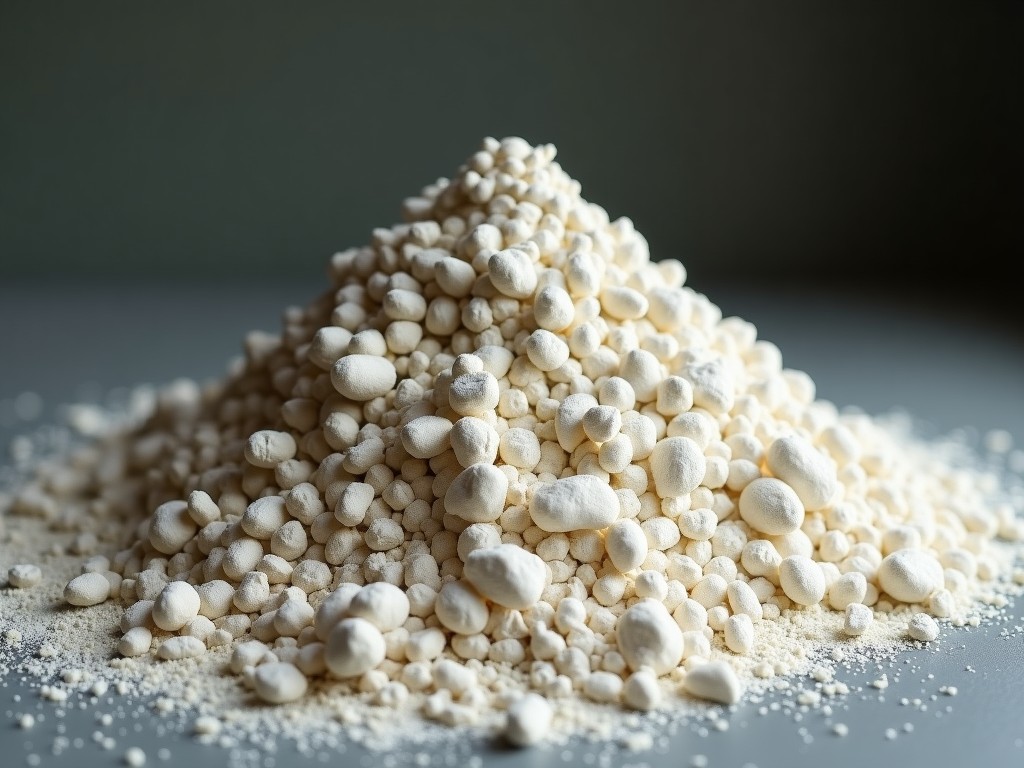
Diatomaceous earth is a naturally occurring sedimentary rock composed of fossilized silica shells of microscopic algae known as diatoms.
After milling to a controlled particle size, the material retains a high porosity and abrasive surface that interacts physically with soft‑bodied organisms.
The mode of action relies on two physical properties: sharp edges that cut the waxy cuticle and a highly absorbent structure that draws lipids and moisture from the organism.
This dual action leads to dehydration and mortality without chemical toxicity, making it suitable for integrated pest management programs.
In agricultural settings, the product is applied to soil, plant beds, and animal housing to reduce populations of gastrointestinal parasites in livestock and slugs that damage crops.
Because it acts mechanically, resistance development is unlikely, and the material can be reapplied after irrigation or rainfall without loss of efficacy.
Compliance with organic production standards is supported by the mineral's natural origin and lack of synthetic additives.
Typical certification bodies allow its use as a physical barrier when documented as a permissible input.
| Property | Typical Value | Unit / Test Method |
|---|---|---|
| Silicon Dioxide (SiO2) content | 85–90 | wt.% |
| Particle size (D50) | 10–20 | µm |
| Moisture content | ≤5 | wt.% |
| Bulk density | 0.3–0.5 | g/cm³ |
| pH (10% slurry) | 7–8 | — |
| Loss on ignition | ≤5 | wt.% |
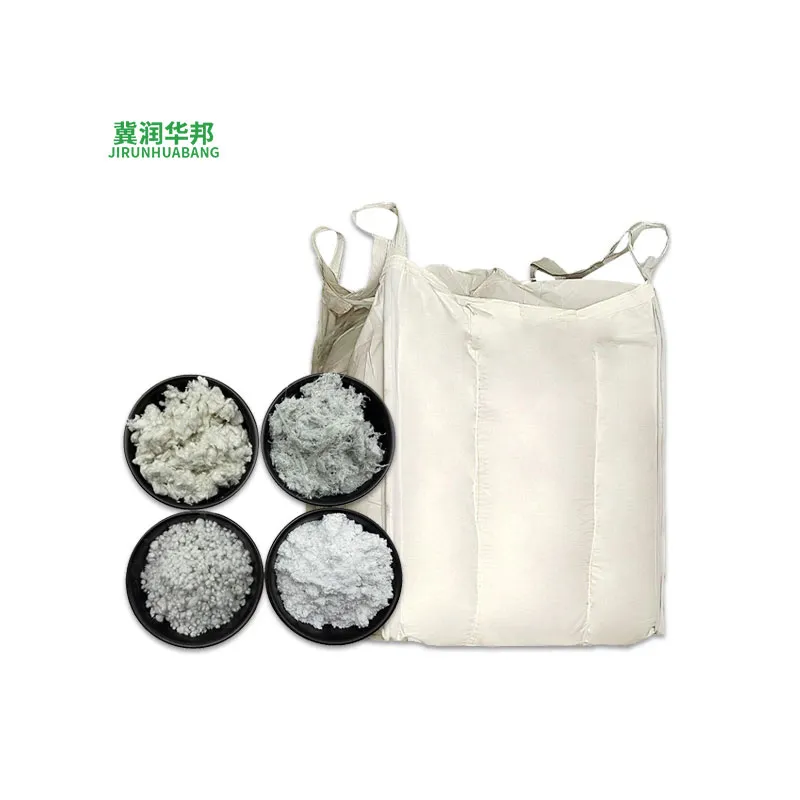
Packaging options include multi‑wall paper bags with inner polyethylene liner or bulk flexible intermediate bulk containers (FIBCs) to protect against moisture uptake.
Store in a dry, well‑ventilated area away from direct sunlight; the material is stable for at least 24 months under these conditions.
Quality control involves laser diffraction for particle size distribution, X‑ray fluorescence for silica purity, and gravimetric methods for moisture.
Each batch is accompanied by a certificate of analysis that reports the measured values against the specification limits.
Can the particle size be adjusted for specific application equipment? Yes, custom milling can achieve D50 values between 5 µm and 30 µm based on feeder or spray requirements.
What information is needed to obtain a quotation? Required details include desired quantity, packaging type, target particle size range, and any regulatory documentation needed for the destination country.
How is product consistency verified during long‑term storage? Stability testing monitors moisture uptake and silica content over time, with retesting recommended every six months for bulk stock.
For further information or to request a technical data sheet, contact our sales team via the link below.
Contact Us