

Diatomaceous Earth For Sale Near Me
Diatomaceous Earth for Sale Near Me
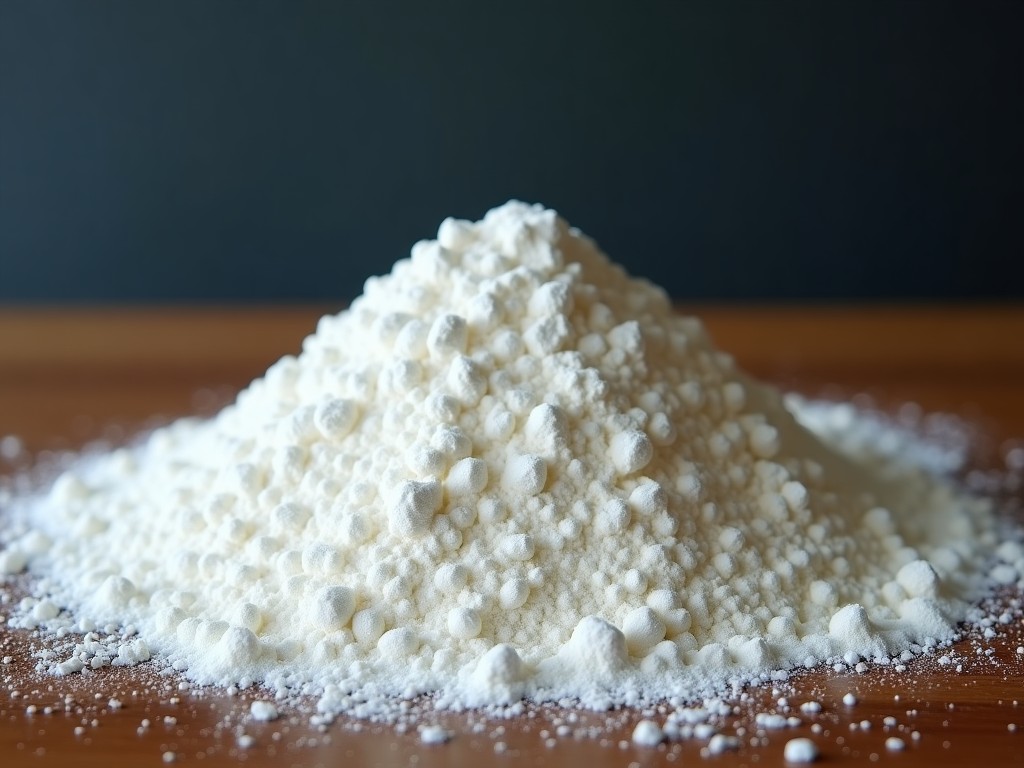
Diatomaceous earth (DE) is a naturally occurring sedimentary rock composed of the fossilized frustules of diatoms, a type of hard‑shelled algae. The primary constituent is amorphous silicon dioxide (SiO₂), typically ranging from 80 % to 90 % by weight, with minor amounts of aluminum oxide, iron oxide, and trace minerals.
Technical Characteristics
Key engineering properties that influence performance in industrial applications include particle size distribution, specific surface area, bulk density, absorptive capacity, and chemical inertness.
- Particle size: typically 5 µm to 150 µm, adjustable via milling and classification.
- Specific surface area: 20–40 m²/g for natural grades, up to 60 m²/g after calcination.
- Bulk density: 0.3–0.5 g/cm³ (loose), 0.5–0.7 g/cm³ (packed).
- Absorptive capacity: can retain up to 1.5 times its weight in liquids, depending on porosity.
- pH (aqueous slurry): generally neutral, 6–8, suitable for food‑grade processes.
Industrial Applications
The combination of high porosity, abrasive texture, and chemical stability makes DE suitable for several distinct functions.
- Filtration: the interlocking frustule structure creates a rigid filter cake that captures fine particulates in beverage, pharmaceutical, and water‑treatment streams.
- Spill absorption: the high internal void volume enables rapid uptake of oils, solvents, and water‑based liquids, reducing slip hazards.
- Mechanical pest control: sharp edges damage the exoskeleton of insects, providing a non‑chemical barrier in stored‑product and agricultural settings.
- Soil amendment: low bulk density improves aeration and water retention in horticultural media without altering nutrient balance.
- Filler and extender: inert SiO₂ particles reinforce polymers, paints, and coatings while contributing to rheology control.
Quality Control & Testing
Consistent performance relies on standardized testing that verifies composition, physical attributes, and purity.
- Loss on ignition (LOI) determines organic content and moisture; typical values < 5 % for calcined grades.
- Sieve analysis reports D10, D50, D90 values to confirm particle‑size specification.
- Chemical analysis (XRF) quantifies SiO₂, Al₂O₃, Fe₂O₃ to ensure grade‑specific limits.
- Absorbency testing measures liquid uptake rate under standardized conditions.
Customization Options
Manufacturers can tailor DE to match process requirements through selection of raw source, thermal treatment, and size‑classification.
- Natural vs. calcined: calcination at 800–1000 °C removes volatiles, increases hardness, and raises surface area.
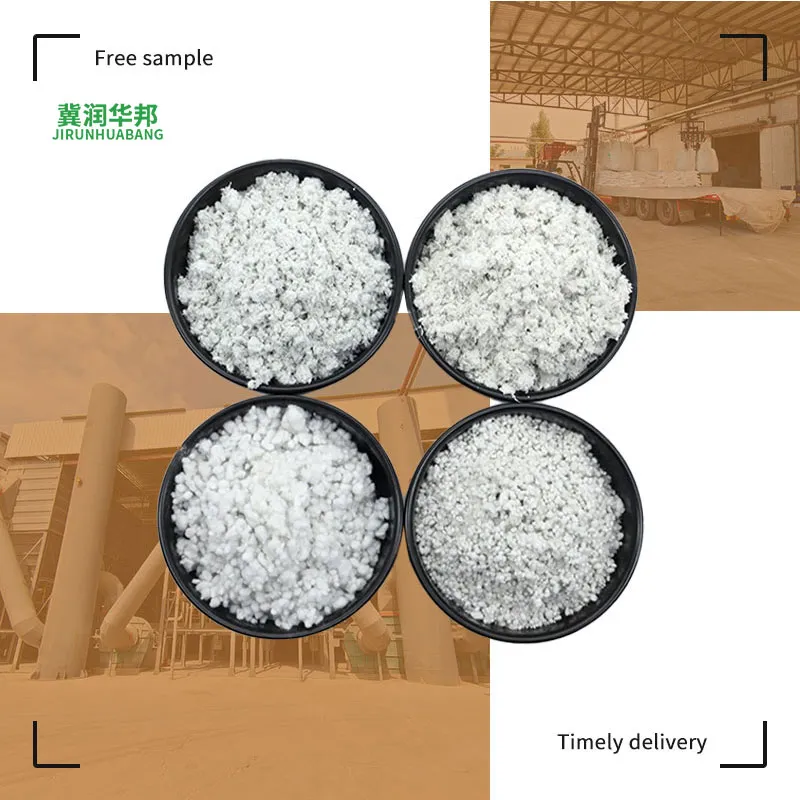
- Particle‑size grades: fine (≤ 20 µm) for polishing, medium (20–80 µm) for filtration, coarse (> 80 µm) for absorption.
- Surface treatment: silanization or polymer coating can modify hydrophobicity for specific fluid compatibilities.
- Blending: DE can be pre‑mixed with additives such as perlite or cellulose to achieve targeted density or flow characteristics.
Packaging Options
Product is shipped in formats that protect integrity and facilitate handling across the supply chain.
- Multi‑wall paper bags: 25 kg net weight, polyethylene inner liner for moisture barrier.
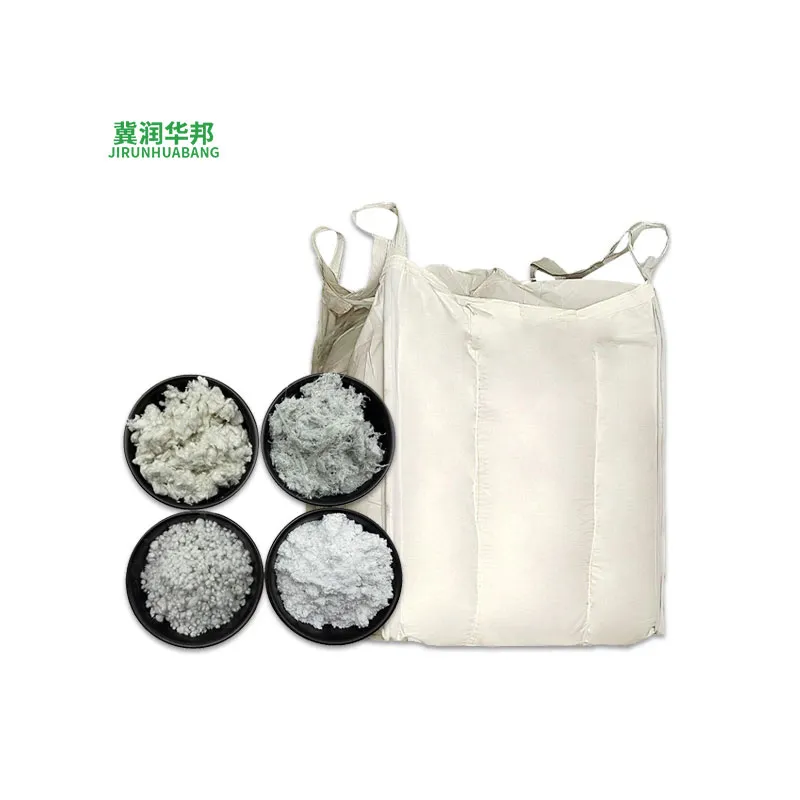
- Polypropylene bulk bags (FIBC): 500 kg or 1000 kg capacity, with lift loops and optional discharge spout.
- Paper‑lined totes: 1 tonne volume, suitable for bulk transfer to silos.
- Pallet configuration: 40 bags per pallet (approx. 1 tonne) stretch‑wrapped for stability.
Typical Specifications
| Property | Natural Grade | Calcined Grade | Unit |
|---|---|---|---|
| Silicon Dioxide (SiO₂) | 80–90 | 85–95 | % w/w |
| Loss on Ignition (LOI) | 5–12 | < 5 | % |
| Bulk Density (loose) | 0.30–0.45 | 0.35–0.50 | g/cm³ |
| Specific Surface Area | 20–35 | 40–60 | m²/g |
| pH (10% slurry) | 6.5–7.5 | 6.5–7.5 | – |
Frequently Asked Questions
Yes. Milling and air‑classification allow selection of D50 values ranging from 5 µm to 120 µm, with tight tolerances (± 2 µm) available upon request.
What information is required before a quotation?Specify desired grade (natural or calcined), target particle‑size range, quantity, packaging type, and delivery destination. For food‑ or pharma‑grade, indicate any required certifications (e.g., FDA, USP).
How is the product protected during shipment?Bags include an inner polyethylene liner to resist moisture. Bulk bags are UV‑stabilized and equipped with lift loops; pallets are stretch‑wrapped and corner‑protected.
What is the typical lead time?Standard stock items ship within 3–5 business days. Custom size‑grades or special packaging typically require 10–15 business days, depending on order volume.
For technical data sheets, sample requests, or to discuss a specific application, please contact our sales team.
Request Quote