




Diatomaceous Earth Health Benefits For Humans
Diatomaceous Earth for Human Health Applications
Overview
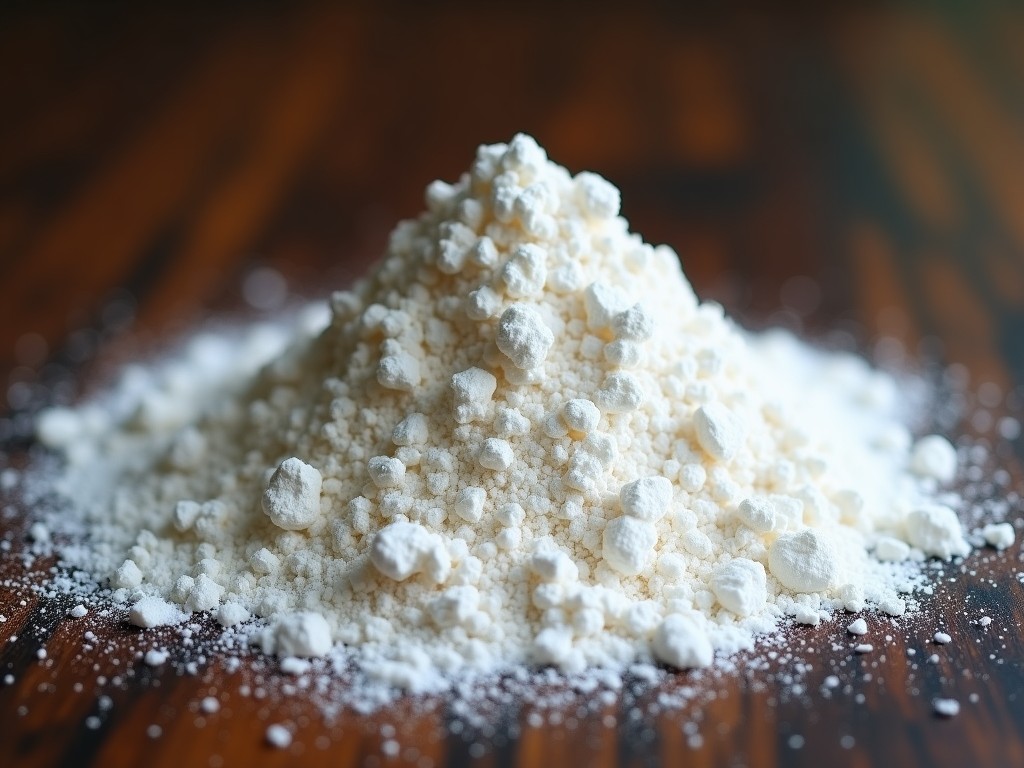
Diatomaceous earth (DE) originates from the fossilized silica shells of diatoms, microscopic algae that accumulated in ancient lake beds. The resulting sediment is a friable, white to off‑white powder whose main component is amorphous silicon dioxide (SiO₂).
Commercial grades are distinguished by purity, particle size distribution, and trace mineral content, which dictate their suitability for food‑supplement, feed, or industrial uses. Bulk density typically falls between 0.2 g/cm³ and 0.4 g/cm³, reflecting a high internal porosity.
Chemical Composition
The dominant constituent is SiO₂, usually comprising 80%–90% of the dry weight. Minor oxides such as Al₂O₃ (2%–5%), Fe₂O₃ (0.5%–2%), and CaO (0.1%–1%) vary with the geological source.
Trace elements including magnesium, sodium, and potassium are present at parts‑per‑million levels and are generally considered nutritionally inert when the material meets food‑grade specifications.
Physical Properties
Particle size distribution for food‑grade DE commonly shows a d₅₀ between 10 µm and 30 µm, with a d₉₀ below 100 µm. The morphology consists of porous, cylindrical frustules that provide a high surface area, often exceeding 40 m²/g.
Because of the porous structure, the material exhibits low thermal conductivity (approximately 0.04 W/m·K) and high oil absorption capacity, typically 1.5 g oil per g of DE.
The pH of a 10% aqueous suspension is usually neutral to slightly alkaline, ranging from 7.0 to 8.5, which supports compatibility with most food matrices.
Health Benefit Mechanisms
When ingested as a food‑grade supplement, DE passes through the gastrointestinal tract largely unchanged due to its chemical inertness and low solubility. Its primary physiological interaction is mechanical adsorption of lipids, toxins, and certain pathogens within the gut lumen.
The high surface area and porous texture enable binding of bile acids, which may contribute to modest reductions in serum cholesterol levels observed in some clinical studies. Additionally, the silica component provides a source of soluble silicon, a trace element implicated in connective tissue metabolism.
No significant systemic absorption of silicon dioxide occurs at typical dietary doses (< 5 g/day), which limits the risk of accumulation and supports a favorable safety profile when impurity levels are controlled.
Typical Applications in Human Health
Food‑grade DE is incorporated into dietary supplements, detox formulations, and functional foods where its adsorptive properties are leveraged for gastrointestinal support.
- Encapsulated powders for daily intake, usually 1–2 g per serving.
- Granular blends in detox drinks to bind heavy metals and mycotoxins.
- Anti‑caking agent in powdered nutritional mixes, improving flowability without affecting nutrient bioavailability.
- Filtration aid in beverage processing, where it removes particulates while meeting food‑contact regulations.
Processing and Purity Grades
Raw ore undergoes crushing, milling, and classification to achieve the desired particle size. Subsequent steps may include calcination (up to 900 °C) to remove organic impurities and increase silica purity.
Food‑grade material is subjected to additional washing, acid leaching, and filtration to reduce metal contaminants (e.g., lead, arsenic) below limits set by Codex Alimentarius (< 0.1 mg/kg Pb, < 0.05 mg/kg As).
Industrial grades bypass the stringent washing steps, retaining higher levels of alkaline earth metals, which are suitable for filtration, abrasives, or absorbents where food contact is not required.
Quality Control and Testing
Each batch is screened for silica content via X‑ray fluorescence (XRF) to confirm SiO₂ ≥ 80%. Particle size is verified by laser diffraction, ensuring d₉₀ ≤ 100 µm for food‑grade.
Heavy metal analysis employs ICP‑OES, with acceptance criteria aligned to FDA GRAS limits. Microbial testing includes total plate count (< 10³ CFU/g) and absence of Salmonella and E. coli.
Loss on drying (LOD) is measured to ensure moisture content ≤ 5 %, which influences flowability and shelf stability.
Grade Comparison
| Property | Food‑Grade | Industrial‑Grade |
|---|---|---|
| SiO₂ Content | ≥ 80 % | 70 %–85 % |
| Lead (Pb) | ≤ 0.1 mg/kg | ≤ 5 mg/kg |
| Arsenic (As) | ≤ 0.05 mg/kg | ≤ 2 mg/kg |
| d₉₀ Particle Size | ≤ 100 µm | ≤ 200 µm |
| Bulk Density | 0.20–0.35 g/cm³ | 0.25–0.45 g/cm³ |
| Typical Use | Dietary supplements, food anti‑caking | Filtration, abrasives, absorbents |
Safe Handling and Storage
Although low‑hazard, fine particulate DE can cause mechanical irritation to the respiratory tract if inhaled as dust. Use of NIOSH‑approved N95 respirators is recommended during bulk handling.
Store in sealed, moisture‑barrier containers away from direct sunlight to prevent clumping. Shelf life exceeds 24 months when kept below 30 °C and relative humidity under 60 %.
Spills should be swept with a damp cloth or vacuum equipped with HEPA filtration to avoid aerosol generation. Dispose of waste according to local regulations for inert mineral solids.
Frequently Asked Questions
- Can particle size be customized for specific applications? Yes, milling and classification steps can be adjusted to achieve target d₅₀ ranges between 5 µm and 150 µm based on client specifications.
- What information is required before quotation? Required details include intended grade (food or industrial), estimated annual volume, packaging preferences, and any specific impurity limits.
- What material options are available? Standard offerings are amorphous silica diatomaceous earth; calcined and flux‑calcined variants are available upon request for higher temperature stability.
- How is quality inspected? Each lot undergoes XRF for composition, laser diffraction for size distribution, ICP‑OES for metals, and microbiological plating as per the control plan.
- What packaging methods are available? Options include multi‑wall paper bags with polyethylene liner (25 kg), bulk flexible intermediate bulk containers (FIBCs), and reusable rigid totes for high‑value food‑grade product.
- How are export shipments protected? Goods are palletized, stretch‑wrapped, and secured with corner boards; desiccant packets are added to control moisture during transit.
- What is the typical production lead time? Lead times range from 2 to 4 weeks for standard grades, with expedited runs possible for urgent orders subject to raw‑material availability.
- How are samples arranged? Representative samples (up to 1 kg) can be dispatched via courier after receipt of a signed non‑disclosure agreement, with shipping costs borne by the requester.
Next Steps
For technical data sheets, sample requests, or to discuss a custom grade suited to your formulation, please contact our sales engineering team.
Request Information