

Diatomaceous Earth How Much To Take For Humans
Diatomaceous Earth: Technical Overview and Human Dosage Guidance
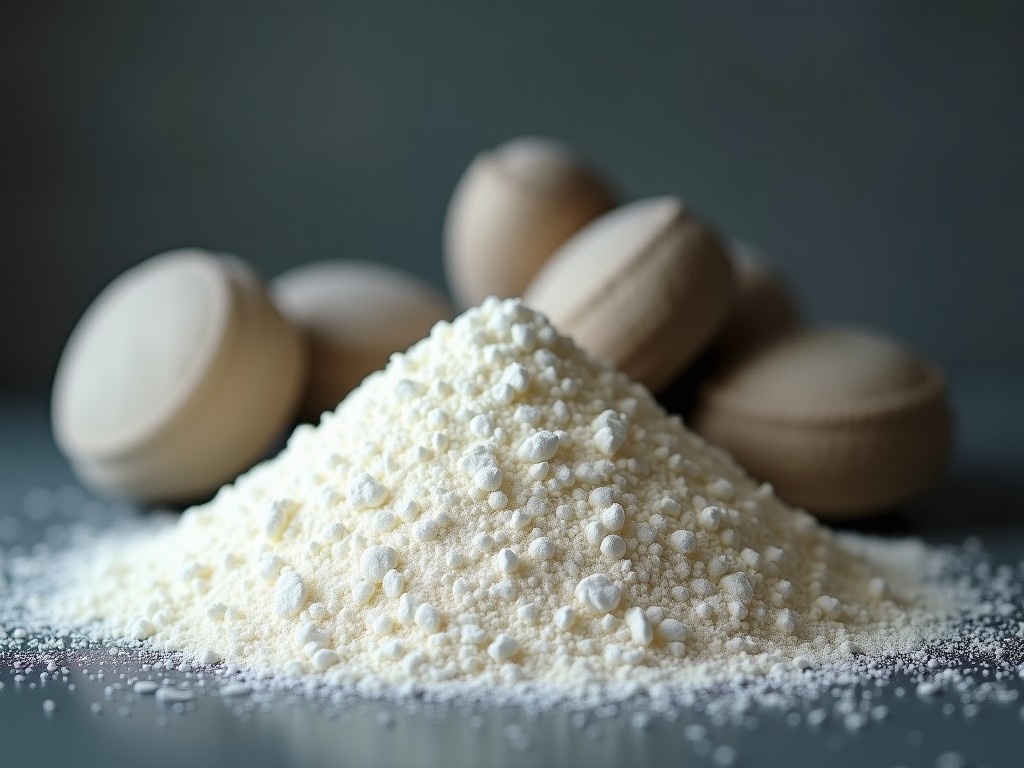
Diatomaceous earth (DE) is a naturally occurring siliceous sediment composed of fossilized diatom frustules. In industrial contexts, it is valued for its high porosity, absorbent capacity, and abrasive properties. Food‑grade DE, which meets specific purity criteria, is sometimes used as a dietary supplement.
This page provides the technical information procurement specialists and formulation engineers need to evaluate DE for human‑consumption applications, including typical composition, particle characteristics, and dosage considerations.
Chemical and Physical Characteristics
Food‑grade DE typically contains 85–90% amorphous silicon dioxide (SiO₂), with the remainder consisting of minor oxides such as aluminum oxide (Al₂O₃), iron oxide (Fe₂O₃), and trace minerals. The amorphous nature of the silica is critical for safety; crystalline silica forms are minimized through processing.
Particle size distribution influences both functional performance and gastrointestinal transit. Typical values are provided below.
| Parameter | Typical Range | Test Method (Reference) |
|---|---|---|
| Silica (SiO₂) content | 85–90% wt | X‑ray fluorescence (XRF) |
| Moisture content | ≤5% wt | Thermo‑gravimetric analysis |
| Median particle size (D50) | 10–20 µm | Laser diffraction |
| Bulk density | 0.3–0.5 g/cm³ | ASTM C29 |
| pH (10% slurry) | 7–9 | Electrometric measurement |
Recommended Oral Dosage for Humans
When DE is used as a food‑grade supplement, the amount ingested is typically expressed in grams per day. Clinical and toxicological references suggest a starting range of 0.5 g to 2 g per day for adults, divided into one or two doses.
- Begin with 0.5 g (approximately ½ teaspoon) mixed in water, juice, or a smoothie.
- Observe tolerance for 3–5 days; if no gastrointestinal discomfort occurs, the amount may be increased to 1 g per day.
- Upper limit commonly cited in literature is 2 g per day; exceeding this amount offers no demonstrated additional benefit and may increase the risk of mild constipation.
Dosage should be adjusted based on individual body weight, dietary fiber intake, and specific health objectives. Consultation with a qualified healthcare professional is advised before initiating any regimen involving DE.
Safety and Handling Considerations
Although food‑grade DE is classified as Generally Recognized As Safe (GRAS) for certain applications, the respirable fraction must be controlled. Industrial handling protocols recommend:
- Use of dust‑suppression measures (e.g., local exhaust ventilation) during bulk transfer.
- Personal protective equipment such as N95 respirators when airborne concentrations may exceed occupational exposure limits.
- Storage in dry, sealed containers to prevent moisture uptake and clumping.
Ingestion of non‑food‑grade DE, which may contain higher levels of crystalline silica or contaminants, is not advised for human consumption.
Typical Industrial Applications
Beyond supplemental use, DE serves multiple roles in manufacturing processes where its absorptive, filtering, and mild abrasive properties are advantageous.
- Filtration aid in beverage and pharmaceutical liquid clarification.
- Anti‑caking agent in powdered food ingredients and agricultural feed.
- Absorbent for spill control and industrial cleaning formulations.
- Mild abrasive in polishing compounds and toothpaste formulations.
Quality Assurance and Documentation
Suppliers should provide a Certificate of Analysis (CoA) confirming compliance with food‑grade specifications, including limits on heavy metals (e.g., lead < 10 ppm, arsenic < 2 ppm) and microbial counts. Batch‑to‑batch consistency in particle size distribution is monitored via laser diffraction.
Traceability records, including origin of the diatomite deposit and processing conditions, support regulatory compliance for markets such as the United States (FDA GRAS notice) and the European Union (EFSA guidance).
Frequently Asked Questions
Q: Can the particle size be customized for specific filtration needs?
A: Yes. Milling and air classification adjustments allow D50 values ranging from 5 µm to 45 µm, subject to minimum order quantities.
Q: What information is required to obtain a quotation?
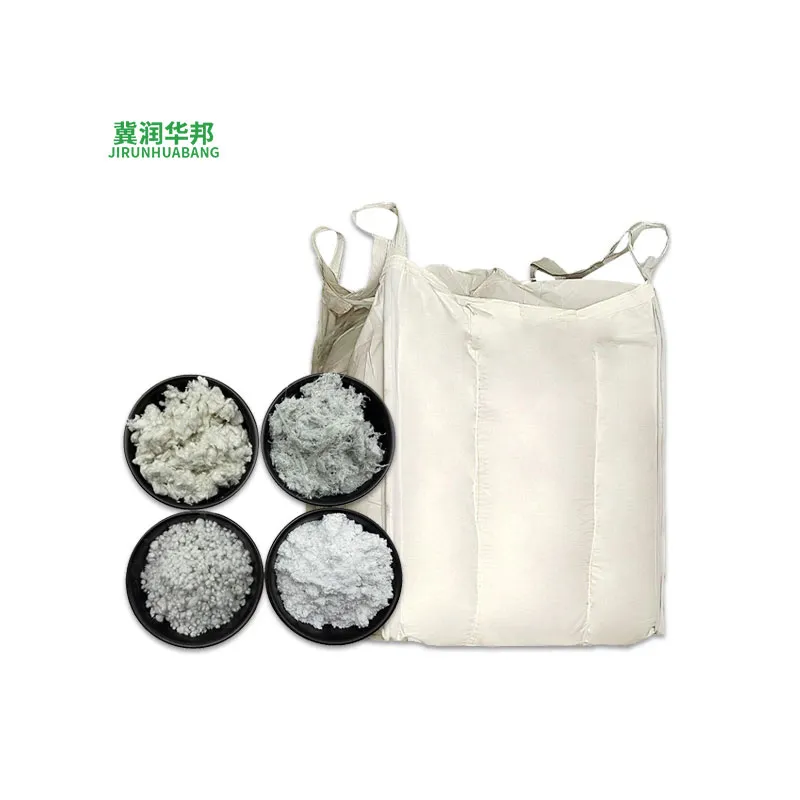
A: Required details include desired grade (food‑grade vs. industrial), quantity, packaging preference (e.g., 25 kg bags, super‑sacks), and destination for freight calculation.
Q: How is product quality verified before shipment?
A: Each lot undergoes a full CoA assessment, including silica content, moisture, heavy‑metal screening, and microbial testing. Results are retained for a minimum of five years.
Contact for Technical Inquiry
For further details on specifications, customization options, or regulatory documentation, please reach out to our technical sales team.
Request Specification Sheet