


Diatomaceous Earth Insecticide Factory Exporter
Diatomaceous Earth Insecticide: Factory Production & Export Solutions
Diatomaceous earth (DE) is a naturally occurring siliceous sediment composed of fossilized diatom frustules. Its insecticidal action relies on microscopic sharp edges that absorb lipids from the insect cuticle, causing dehydration. For industrial use, the raw ore is processed to achieve specific particle size ranges and purity levels that meet regulatory thresholds for pest control formulations.
Material Characteristics
The primary component is amorphous silicon dioxide, typically representing 85‑95 % of the dry mass. Trace metal oxides (iron, aluminum, calcium) remain below 2 % each, which influences the pH of aqueous suspensions (usually between 6 and 8). Bulk density after milling ranges from 0.3 to 0.5 g cm⁻³, depending on the degree of agglomeration.
- Silica content: 88 % ± 3 %
- Loss on ignition (LOI): ≤ 5 %
- Moisture content (as‑packed): ≤ 8 %
- pH (10 % slurry): 6.5‑7.5
Production Process
After mining, the ore undergoes primary crushing to reduce lumps to < 25 mm. A secondary grinding stage using ball mills or jet mills achieves the target particle size distribution, often d50 between 10 and 25 µm for insecticide grades. Air classification removes oversized fractions, while magnetic separators extract ferrous contaminants.
The milled product is then dried in rotary dryers to bring moisture below the specified limit. Final blending may include anti‑caking agents (e.g., magnesium stearate) at concentrations below 0.5 % w/w to improve flowability without affecting insecticidal efficacy.
Quality Assurance & Testing
Each batch is sampled according to ISO 2859‑1 standards. Particle size distribution is measured by laser diffraction, with d10, d50, and d90 recorded. Chemical purity is verified via X‑ray fluorescence (XRF) for silica content and inductively coupled plasma (ICP) for trace metals. Moisture content is determined by thermogravimetric analysis (TGA) at 105 °C.
Results are logged in a batch record; any deviation beyond the defined tolerance triggers a hold and investigation. Certificates of Analysis (CoA) accompany every shipment, detailing the tested parameters.
Customization Options
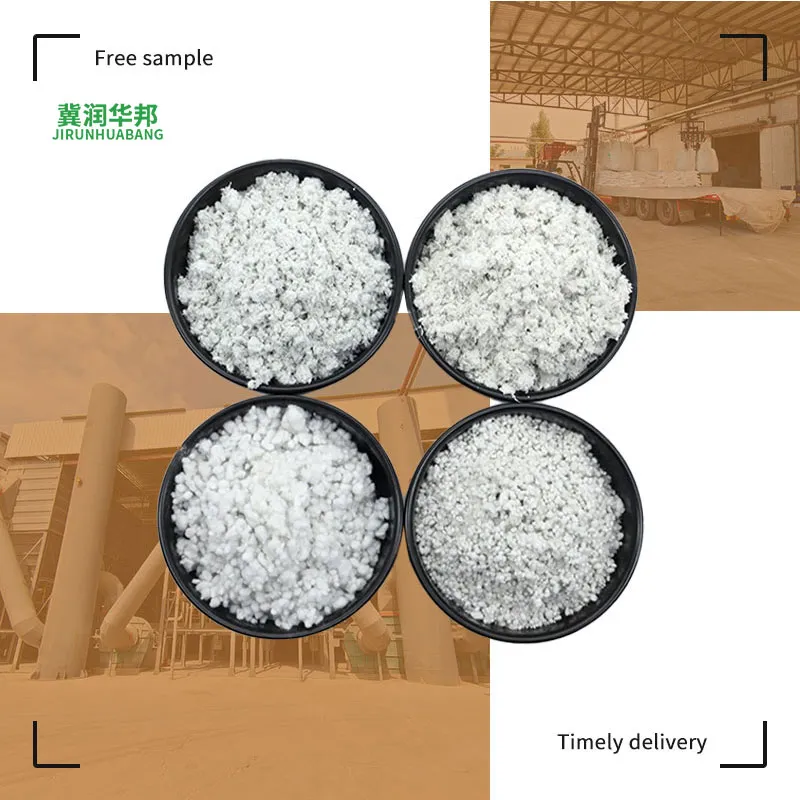
Customers can specify granule size, surface treatment, and packaging format. Typical size ranges are:
- Fine powder: d50 < 10 µm (suitable for dust formulations)
- Standard grade: d50 10‑25 µm (general purpose)
- Coarse grade: d50 > 25 µm (used in granular baits)
Surface modification with food‑grade silica silanes can reduce caking in humid environments. Optional addition of attractants (e.g., sugar bases) is available for integrated pest management products.
Packaging for Export
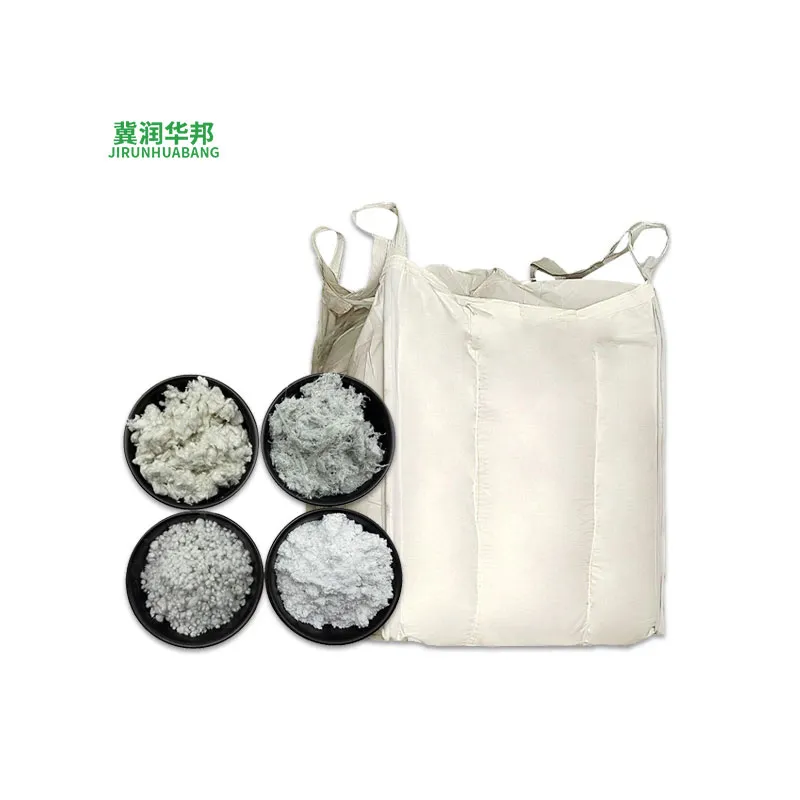
Export packaging is designed to protect the product from moisture ingress and mechanical damage. Common options include multi‑wall paper bags with inner polyethylene liners, or flexible intermediate bulk containers (FIBCs) lined with moisture‑barrier film.
- 25 kg paper bag (PE liner) – palletized 40 bags per pallet
- 500 kg FIBC – single‑use, UV‑stabilized
- 1000 kg FIBC – with top spout and bottom discharge valve
All packages are marked with batch number, net weight, and handling instructions. Desiccant packets may be included upon request to maintain moisture below the specification limit during transit.
| Parameter | Typical Value | Test Method |
|---|---|---|
| Silica (SiO₂) content | 88 % ± 3 % | XRF |
| Loss on ignition (LOI) | ≤ 5 % | Thermogravimetric |
| Moisture content | ≤ 8 % | TGA at 105 °C |
| d50 particle size | 10‑25 µm (adjustable) | Laser diffraction |
| Bulk density | 0.3‑0.5 g cm⁻³ | ASTM C29 |
| pH (10 % slurry) | 6.5‑7.5 | Electrometric |
Frequently Asked Questions
Yes. The milling and classification steps allow adjustment of d50 from < 10 µm to > 30 µm. Customers provide target ranges, and trial batches are produced for approval before full‑scale run.
Required details include desired quantity, particle size specification, packaging type, destination port, and any required certifications (e.g., REACH, EPA). Providing a sample of the current formulation helps ensure compatibility.
Each batch undergoes full testing as outlined in the Quality Assurance section. A Certificate of Analysis is generated and attached to the shipping documents. Third‑party inspection can be arranged upon request.
Standard production lead time is 2‑3 weeks after receipt of confirmed purchase order, excluding transit time. Lead times may vary with order size and customization requirements.
Contact Us
For technical inquiries, sample requests, or to discuss export logistics, please reach out using the form below. Our engineering team will respond with detailed specifications and a formal quotation within one business day.
Request a Quote