




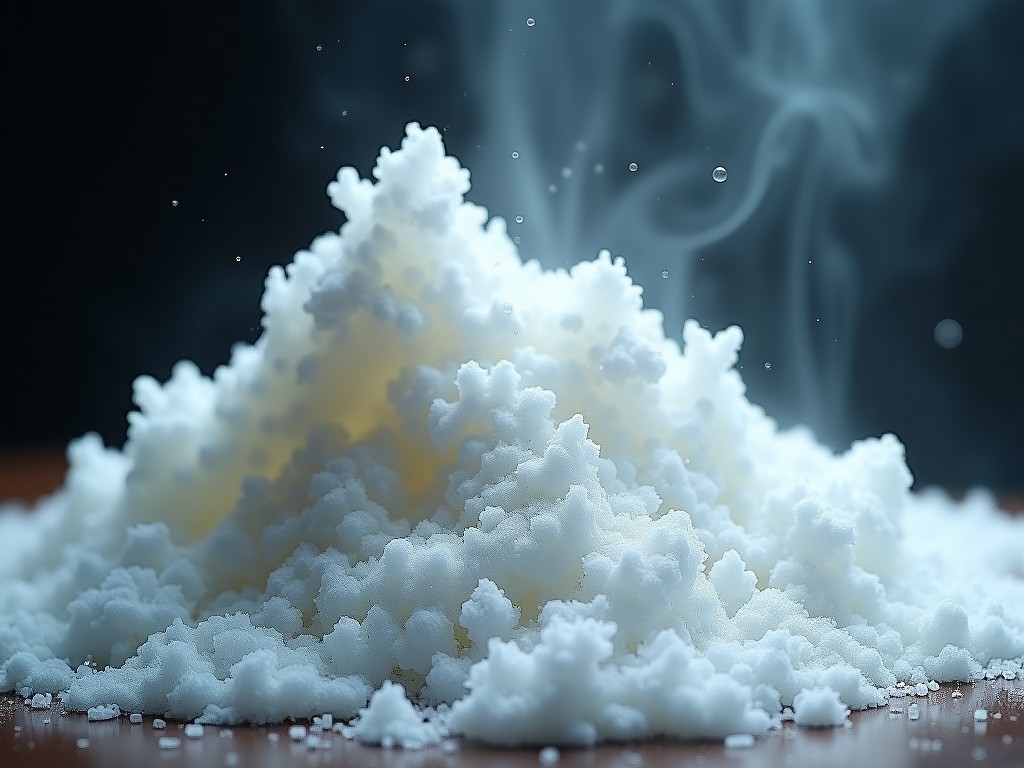
Diatomaceous Earth Is Made Of Silica
Diatomaceous Earth: Silica-Based Industrial Material
Diatomaceous earth (DE) is a naturally occurring sedimentary rock composed principally of the fossilized silica shells of diatoms, a type of hard-shelled algae. The primary constituent is amorphous silicon dioxide (SiO₂), typically ranging from 80% to 90% by weight, with the remainder comprising minor amounts of alumina, iron oxide, and trace minerals.
The silica exists in a highly porous, microporous structure that gives DE its characteristic low density, high surface area, and absorbent properties. Because the silica is amorphous rather than crystalline, it does not pose the same health risks associated with respirable crystalline silica when handled under appropriate controls.
Key Material Characteristics
- Bulk density: typically 0.1–0.3 g/cm³, depending on grade and moisture content.
- Specific surface area: 15–65 m²/g, influencing adsorption capacity.
- pH (aqueous slurry): generally neutral to slightly alkaline, 7–9.
- Loss on ignition (LOI): <5% for calcined grades, indicating low organic content.
- Hardness (Mohs): approximately 5–6, providing abrasion resistance in filtration media.
Typical Applications and Functional Rationale
In filtration, DE’s interconnected micropores create a tortuous path that captures fine particulates while maintaining low pressure drop, making it suitable for beverage clarification, swimming‑pool water treatment, and industrial coolant filtration.
As an absorbent, the high surface area and hydrophilic silica surface enable uptake of liquids such as oils, solvents, and water‑based spills; the material can be reused after thermal regeneration in many cases.
In pest control, the sharp edges of the silica particles disrupt the exoskeleton of insects, causing desiccation; efficacy depends on particle size distribution and low moisture content.
As a functional filler in polymers, paints, and coatings, DE contributes to rheology control, reduces shrinkage, and improves thermal insulation due to its low thermal conductivity (~0.04 W/m·K).
Manufacturing Considerations
Raw diatomite is mined, then processed through drying, milling, and classification to achieve desired particle size grades. Calcination at temperatures between 800 °C and 1100 °C removes volatile organics and can increase surface area through controlled sintering.
For food‑grade or pharmaceutical applications, additional steps such as acid washing and strict moisture control are employed to meet regulatory limits on heavy metals and microbial load.
Quality Control & Testing
Typical quality checks include chemical analysis (SiO₂ content via X‑ray fluorescence), particle size distribution (laser diffraction), loss on ignition, and moisture content. Filtration performance is often evaluated using a standard test slurry and measuring pressure drop over time.
Specification Table
| Parameter | Typical Range | Test Method |
|---|---|---|
| Silicon Dioxide (SiO₂) Content | 80–90 % | XRF |
| Bulk Density | 0.10–0.30 g/cm³ | ASTM C134 |
| Specific Surface Area | 15–65 m²/g | BET (N₂) |
| pH (10% slurry) | 7–9 | ASTM D1293 |
| Loss on Ignition (LOI) | <5 % | ASTM C114 |
| Mohs Hardness | 5–6 | Scratch test |
Frequently Asked Questions
Can the particle size be customized? Yes, milling and classification allow production of grades ranging from coarse (>100 µm) to fine (<10 µm) to match filtration or absorption requirements.
What information is needed for a quotation? Required details include intended application, desired SiO₂ purity, bulk density, particle size distribution, quantity, and any regulatory certifications (e.g., FDA, NSF).
Is diatomaceous earth available in calcined and non‑calcined forms? Both are offered; calcination increases surface area and removes volatiles, while raw grades retain higher natural moisture.
How is product quality verified? Each lot undergoes chemical analysis, particle size testing, and LOI measurement; test reports are available upon request.
What packaging options exist? Standard packaging includes 25 kg multi‑wall paper bags, 500 kg bulk bags, and bulk pneumatic tanker shipments, all with moisture‑barrier liners as needed.
For technical data sheets, sample requests, or to discuss a specific project requirement, please contact our engineering team.
Request Quote or Technical Consultation