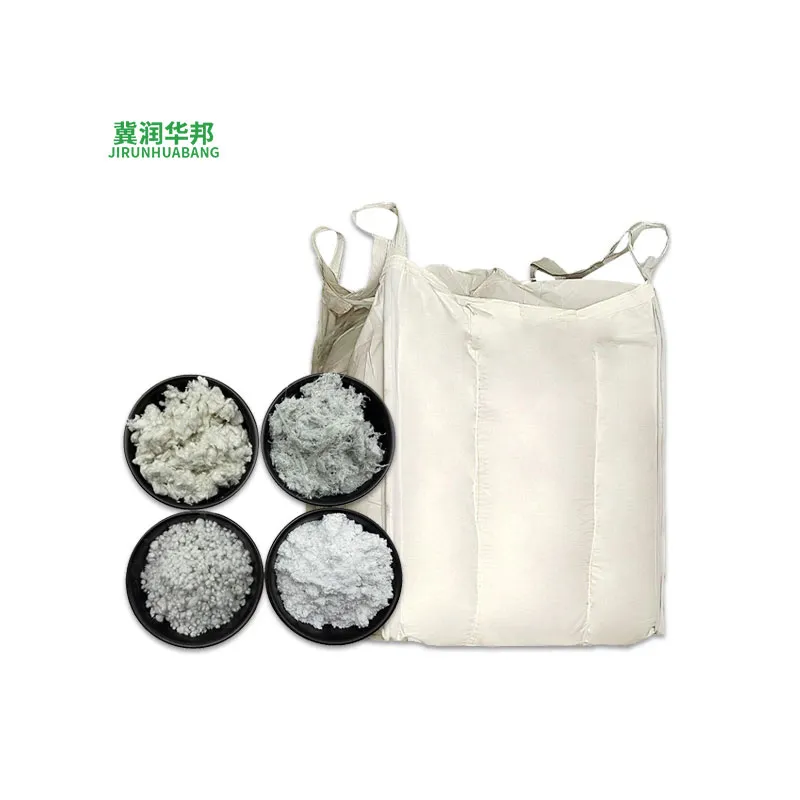
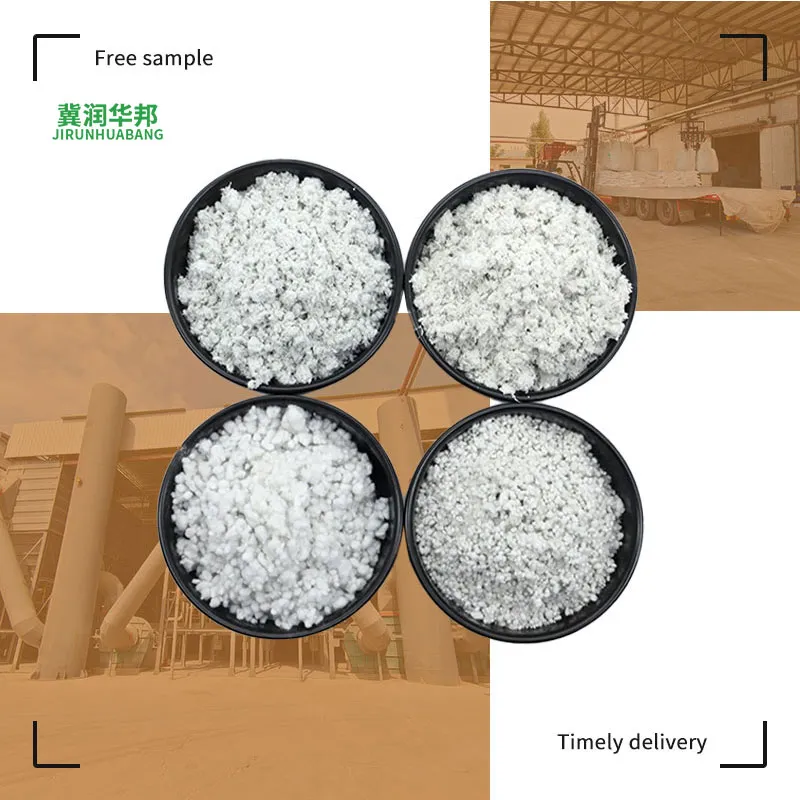
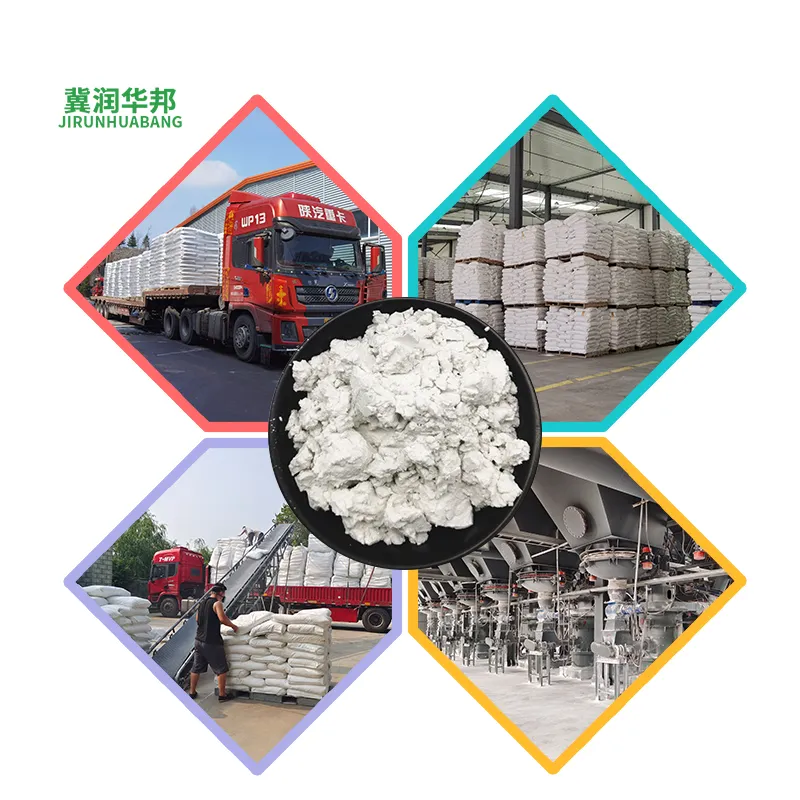
Diatomaceous earth powder is a natural sedimentary mineral formed from the fossilized remains of tiny, single‑celled aquatic organisms called diatoms. These microscopic creatures thrive in oceans, lakes, and rivers, producing delicate silica‑based shells (frustules) with intricate, honeycomb‑like patterns unique to each species. When diatoms die, their silica shells sink to the water bottom, accumulating in thick layers over thousands of years. Over time, these layers are compressed by the sediment above, solidifying into a soft sedimentary rock—often pale white or gray. Crushing this rock and grinding it into a fine powder creates diatomaceous earth with highly distinctive traits. Its most notable characteristic is an extraordinarily porous structure: each tiny particle retains the intricate shell patterns, creating countless microscopic cavities and channels. This porosity endows diatomaceous earth powder with exceptional absorption (soaking up liquids) and adsorption (trapping molecules on its surface) capabilities. It is inherently lightweight, with a fluffy texture that does not compact easily; it is purely inorganic, containing no organic components that rot or degrade; and it is chemically inert, meaning it will not react with acids, alkalis, or most industrial chemicals. These combined properties make diatomaceous earth powder indispensable in a wide range of industrial and commercial applications, outperforming many synthetic absorbents and filter materials that lack its natural porosity and durability.
Oil absorption is another core application of diatomaceous earth powder, widely used in industrial settings, commercial cleaning, and environmental remediation thanks to its rapid absorption rate and high capacity. Its porous structure—each particle acts like a tiny sponge with extensive internal surface area—enables it to absorb up to multiple times its weight in oils, greases, and other hydrocarbons. In manufacturing facilities (such as automotive parts factories or machinery workshops), it is regularly sprinkled on accidental oil spills from hydraulic systems, lubrication lines, or storage tanks. It soaks up spills instantly, preventing the spread across floors and reducing slip‑and‑fall risks. Unlike clay‑based absorbents that clump and leave sticky residue, diatomaceous earth powder remains free‑flowing even after absorption, making it easy to sweep or vacuum up without leaving stains. In automotive repair shops, it is used to clean oil and grease stains from concrete floors, workbenches, and tool surfaces—sprinkled on stains, left to sit briefly, then wiped away with a dry cloth to reveal clean surfaces. It also plays a role in lubricant production: in grease manufacturing, it is added as a thickening agent to absorb excess base oil, adjusting grease viscosity to meet specific mechanical requirements (such as high‑temperature or high‑pressure applications). Beyond industrial use, it is employed in environmental cleanup—sprinkled on small‑scale oil spills in garages or on pavement to contain and absorb hydrocarbons before they seep into the soil, offering a cost‑effective alternative to synthetic spill kits.


The production processes for diatomite focus on preserving its core properties and reducing environmental impact, avoiding chemical treatments that could compromise its natural traits. Processing relies on gentle physical methods to maintain the porous structure and adsorption capacity: low‑speed dry grinding, operating at calibrated speeds to prevent particle compression, replaces high‑temperature treatment that would collapse delicate pores; air classification uses controlled airflow to separate particles by size without chemical reagents, precisely matching specific application needs—ultra‑fine powder for high‑efficiency air filters, medium powder for smooth interior coatings, and coarse granules for rigid insulation. High‑purity diatomite used in precision water filtration undergoes closed‑loop wet grinding: recycled water acts as a grinding medium to avoid contamination, and the water is filtered and reused in subsequent batches, eliminating wastewater discharge. Innovative low‑temperature activation further enhances adsorption capacity: diatomite is heated at moderate temperatures in oxygen‑controlled environments to remove organic impurities trapped in pores, opening blocked channels without damaging the silica structure. Solar‑powered drying replaces fossil fuel heating for final processing, cutting the carbon footprint by leveraging renewable energy. These processes not only retain diatomite’s natural eco‑friendly traits but also optimize its performance for targeted applications.
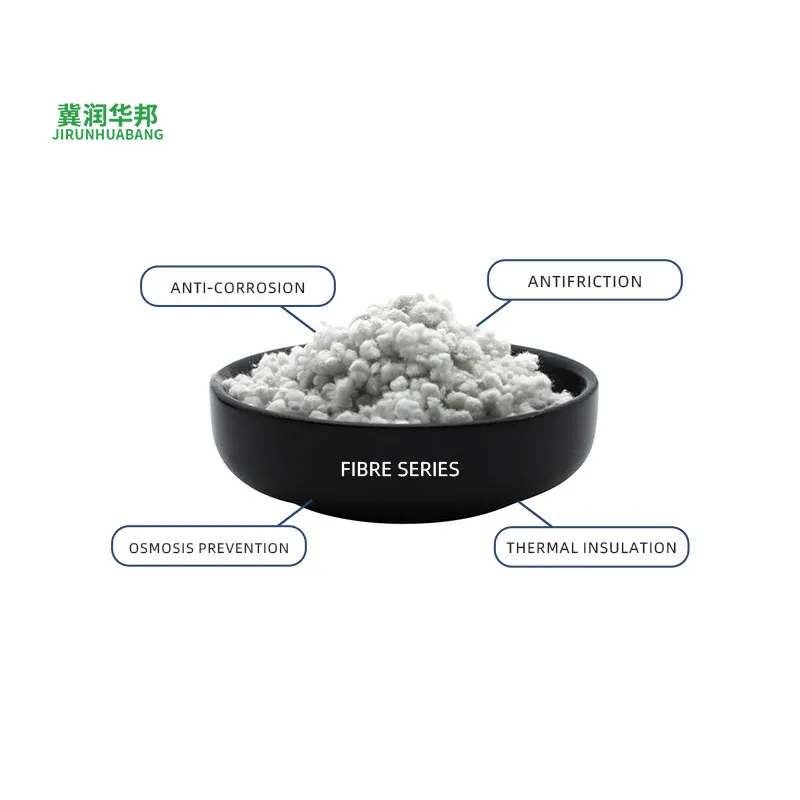
The core properties of diatomite make it irreplaceable across industries, each trait rooted in its unique geological origin. The porous structure—formed by the fossilized silica cell walls of diatoms, creating countless tiny interconnected pores that yield a vast internal surface area—enables exceptional adsorption capacity: it actively traps volatile organic compounds like formaldehyde and benzene from indoor air, captures dust and pollen particles as small as fine particulate matter, and absorbs heavy metals such as lead and mercury, plus suspended solids and organic impurities in water. Breathability and moisture regulation, linked to its porous network, achieve dynamic humidity control: in interior spaces, it absorbs excess moisture during rainy seasons to prevent wall mold and furniture rot, and releases stored moisture gradually when the air becomes dry, maintaining a comfortable relative humidity range. Chemical stability, a result of its silica composition, ensures long‑term durability: it resists corrosion from common industrial acids and alkalis, making it suitable for harsh environments like industrial wastewater treatment facilities and long‑term interior use. Thermal insulation, derived from air trapped within its pores, adds critical value to green construction and greenhouses—when mixed into wallboards or insulation materials, it reduces heat transfer between indoor and outdoor spaces, cutting energy use for heating and cooling by a notable margin.
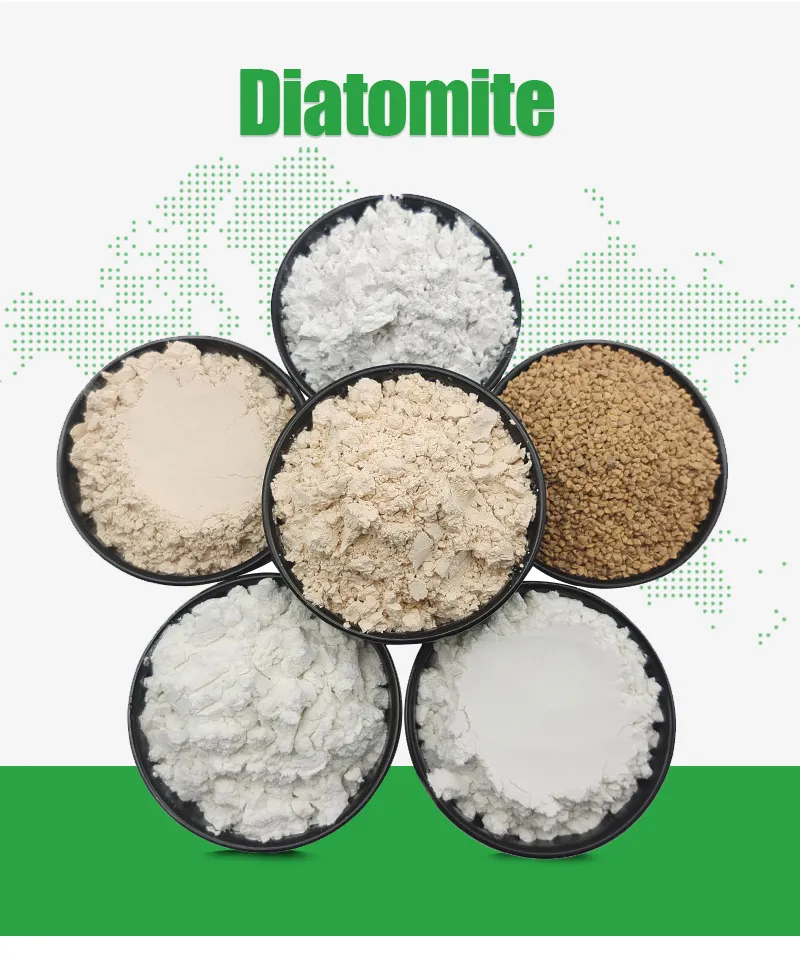
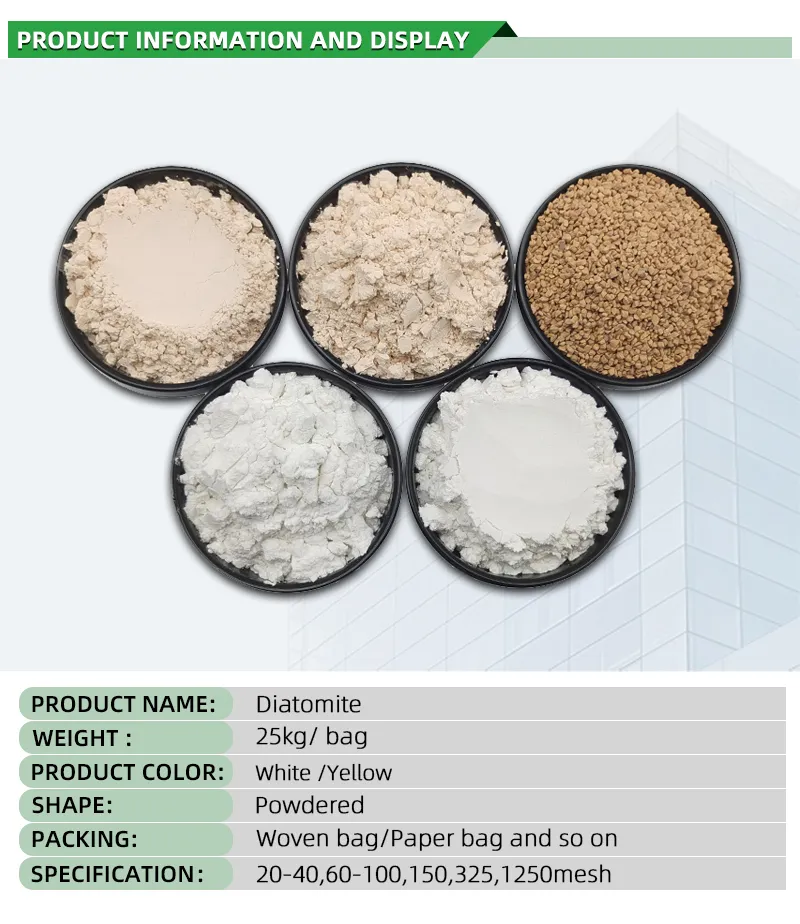
Diatomite excels in diverse innovative scenarios, with real‑world applications demonstrating its versatility. Green construction leverages its thermal insulation and breathability: diatomite‑based exterior wall boards are used in office buildings and residential complexes, reducing energy consumption for heating by decreasing heat loss through walls; their breathability allows moisture to escape, preventing condensation that leads to wall cracking. Interior finishes integrate diatomite into everyday spaces: diatomite coatings are applied to living room and bedroom walls, purifying air by adsorbing formaldehyde released from wooden furniture and carpet adhesives; decorative panels mixed with diatomite offer textures ranging from smooth matte to granular rustic, complementing minimalist, Scandinavian, or natural design styles. Air purification applies it in high‑traffic spaces: diatomite‑based filters in office air purifiers capture dust and printer fumes, while industrial filters use it to remove toxic particles from textile factory emissions. Water filtration uses granular diatomite as a core medium in multi‑stage systems: it purifies drinking water by absorbing sediment and micro‑impurities, and treats textile wastewater by trapping dye residues before discharge. Biodegradable packaging is a cutting‑edge application—diatomite added to cornstarch‑based packaging enhances moisture resistance, preventing fruit and vegetable spoilage, and boosts rigidity to withstand shipping, while remaining fully compostable in home or industrial compost systems. Greenhouse insulation uses coarse diatomite granules mixed with straw and natural binders, forming lightweight panels that retain heat during cold nights to protect tomato and lettuce crops, while regulating humidity to reduce fungal growth on leaves.
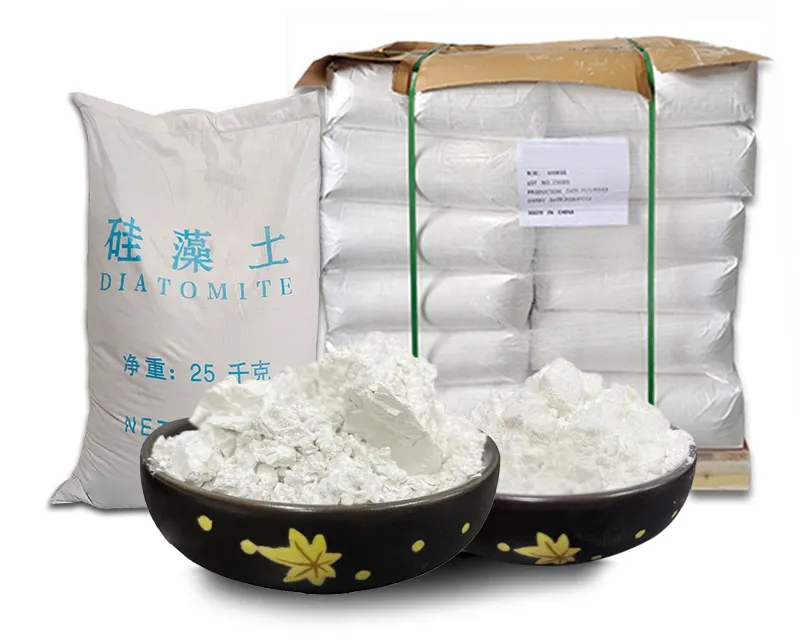
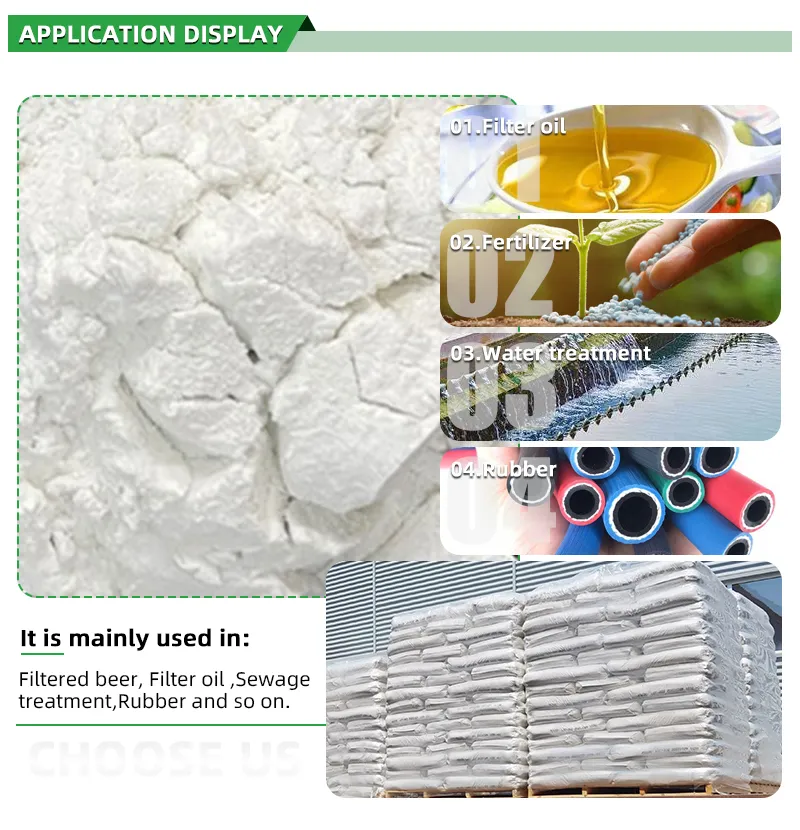
Industrial cleaning leverages diatomaceous earth powder’s unique abrasive yet non‑damaging texture, making it ideal for cleaning delicate or precision surfaces without causing scratches. Its fine, sharp‑edged (but non‑abrasive to hard materials) particles gently scrub away grease, rust, grime, and carbon deposits while preserving surface integrity. It is mixed into specialized cleaning products like metal polish powders, industrial degreasers, and mechanical part cleaners. For example, in aerospace component workshops (cleaning non‑critical parts, not flight‑related), it is used to remove carbon buildup from engine valves and piston heads without scratching metal surfaces. In food processing facilities—strictly for equipment cleaning, not food contact—it removes baked‑on food residues from stainless steel tanks, mixers, and baking trays. Its inert nature ensures no chemical residues are left behind, complying with food safety regulations. It is also a staple in commercial carpet and upholstery cleaning: fine powder is sprinkled evenly over carpets, left to sit for a short period to absorb dirt, oil, and odors from fiber depths, then vacuumed thoroughly. This dry‑cleaning method avoids over‑wetting carpets (which can cause mold or shrinkage) and eliminates the need for harsh chemical cleaners that leave lingering smells. In janitorial services for factories and warehouses, it is used as a dry floor cleaner—sprinkled on dirty floors, swept to lift dust and grime, then vacuumed—reducing reliance on water and chemical mopping solutions.
Paint additive applications benefit from diatomaceous earth powder’s porous structure and stability. It is added to latex and oil‑based paints to improve texture, durability, and coverage. The porous particles help distribute pigments evenly, preventing clumping and ensuring consistent color across surfaces. It also increases paint opacity, reducing the number of coats needed for full coverage. Additionally, it enhances paint’s resistance to cracking and peeling by improving adhesion to surfaces like wood, metal, and concrete. In industrial coatings used for machinery or outdoor structures, it adds UV resistance, protecting coatings from fading or deteriorating under sun exposure. It is also used in primer formulations to create a smooth base for topcoats, improving the overall finish of painted surfaces.
The paper‑making industry uses diatomaceous earth powder as a filler and coating agent. As a filler, it is mixed into pulp to improve paper’s opacity, brightness, and printability. Porous particles fill gaps between cellulose fibers, creating a smoother paper surface that accepts ink more evenly. This reduces ink consumption and improves print quality for books, magazines, and packaging materials. As a coating agent, it is applied to paper surfaces to create glossy or matte finishes. It also enhances paper’s water resistance, making it suitable for packaging that must withstand moisture. Unlike some synthetic fillers that make paper brittle, diatomaceous earth powder maintains paper’s flexibility while improving its structural strength.
Diatomaceous earth powder offers practical advantages that appeal to businesses across industries. It is easy to handle and process—the fine powder mixes smoothly with other materials and can be applied manually or with industrial equipment. It is widely sourced globally, with deposits in many regions, ensuring a stable supply for large‑scale industrial needs. It is cost‑effective, as a small amount delivers significant results in filtration, absorption, or cleaning. It is also inert and non‑toxic when processed properly, making it safe for use in environments where worker safety or product purity is critical. Modern processing techniques ensure consistent particle size and purity across batches, guaranteeing reliable performance in every application.
From purifying water to cleaning industrial equipment, from absorbing oil spills to improving paint quality, diatomaceous earth powder delivers consistent performance by combining natural mineral strengths with versatile functionality. Its porous structure, absorption capabilities, and inert nature make it irreplaceable in many applications where synthetic materials fall short. It adapts to high‑tech industrial processes and everyday commercial uses, fitting seamlessly into diverse workflows without requiring specialized equipment or training. For businesses seeking reliable, cost‑effective materials that meet strict performance and safety standards, diatomaceous earth powder stands out as a natural solution that adds long‑term value across filtration, cleaning, manufacturing, and packaging fields.