

Diatomaceous Earth Powder How To Use
Diatomaceous Earth Powder: Technical Guide for Industrial Use
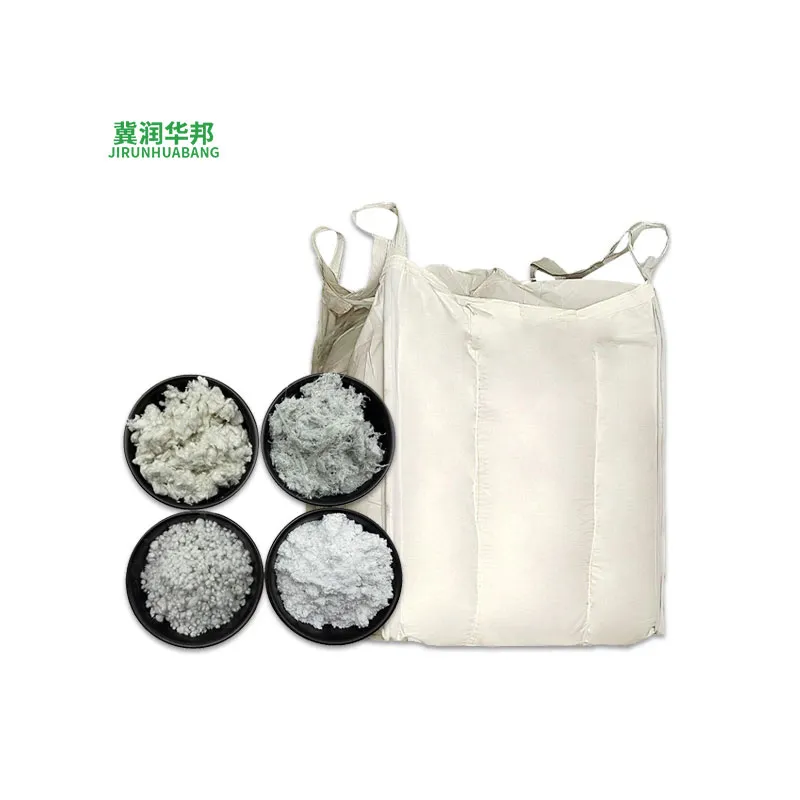
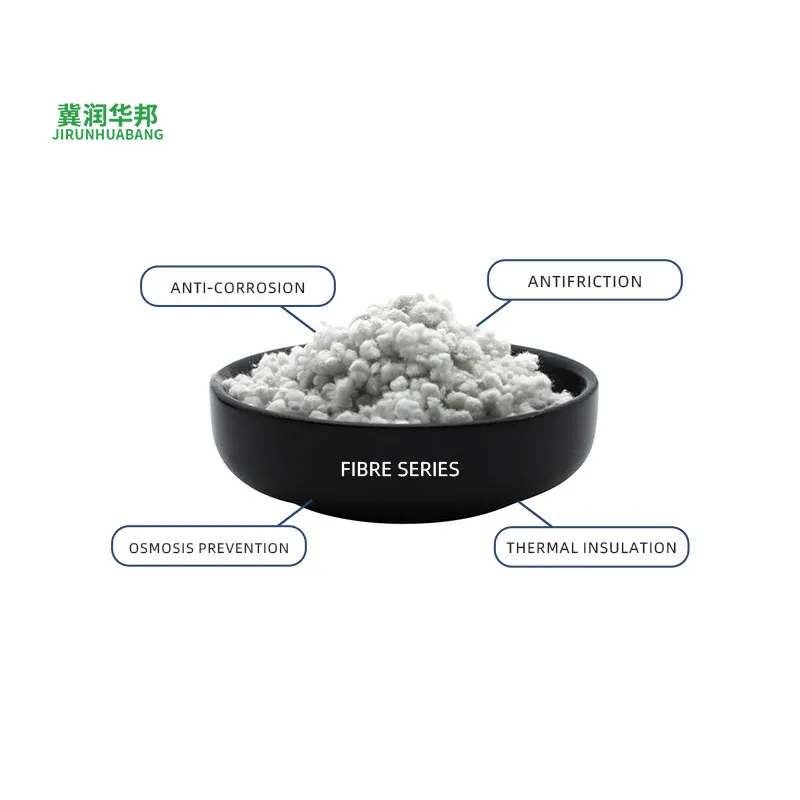
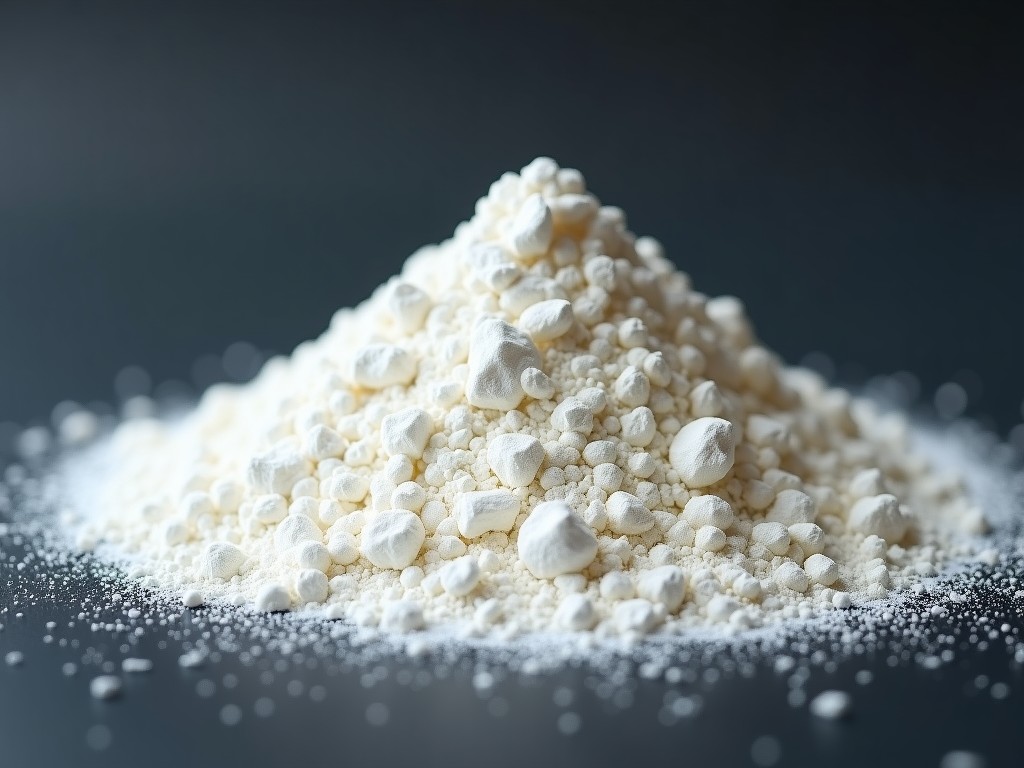
Diatomaceous earth consists of fossilized silica shells of microscopic algae, presenting a porous, amorphous structure with a high surface area. The material is chemically inert, non‑toxic, and exhibits low bulk density, typically ranging from 0.2 to 0.5 g cm⁻³ depending on grade and moisture content. These physical traits enable its use as a functional filler, absorbent, and carrier in diverse industrial processes.
Material Characteristics
The primary constituent is silicon dioxide (SiO₂), usually exceeding 80 % by weight, with trace amounts of aluminum oxide, iron oxide, and alkali metals. Particle size distribution is often described by D₁₀, D₅₀, and D₉₀ values; for a typical filtration grade D₅₀ lies between 10 µm and 20 µm, while a finer absorbent grade may have D₅₀ below 5 µm. The specific surface area, measured by BET analysis, commonly falls between 20 m² g⁻¹ and 65 m² g⁻¹, influencing adsorption capacity.
Typical Applications
- Filtration of liquids in beverage, pharmaceutical, and chemical processing where a porous cake retains fine particulates.
- Carrier for pesticides, fertilizers, and active ingredients in agrochemical formulations, providing controlled release.
- Absorbent for spill containment, oil‑water separation, and moisture control in packaging.
- Functional filler in paints, coatings, and plastics to modify rheology and reduce shrinkage.
- Support medium in chromatography and catalyst preparation due to uniform pore structure.
Recommended Usage Procedures
Prior to use, the powder should be conditioned to a moisture content below 0.5 % to avoid clumping and ensure consistent feeding. For filtration applications, a pre‑coat layer of 1.5 kg m⁻² is typically applied to the filter septum, followed by a body feed rate adjusted to maintain a target pressure drop of 0.2–0.4 bar. In absorbent roles, the powder is dispersed directly onto the contaminated surface at a ratio of 1 part powder to 2–4 parts liquid by weight, then allowed to dwell for 5–15 minutes before removal.
Dosage and Performance Parameters
| Application | Typical Dosage | Performance Indicator |
|---|---|---|
| Liquid filtration (beverage) | 0.2–0.5 kg m⁻³ body feed | Turbidity reduction >99 % |
| Oil spill absorbent | 1:3 (powder:oil) weight ratio | Absorption capacity 1.5–2.0 g g⁻¹ |
| Pesticide carrier | 5–15 % wt. in formulation | Controlled release over 7–14 days |
| Paint filler | 10–30 % wt. of total solids | Viscosity increase 20–40 % at 25 °C |
Handling, Storage and Safety
The powder is classified as a nuisance dust; inhalation of fine particles should be minimized through local exhaust ventilation or use of approved respirators with P100 filters. Storage in a dry, cool environment prevents agglomeration; recommended conditions are below 25 °C and relative humidity under 60 %. Packaging in multi‑wall polyethylene‑lined bags or bulk containers with inner liners maintains product integrity for up to 24 months under these conditions.
Quality Assurance
Each lot undergoes laser diffraction for particle size distribution, X‑ray fluorescence for chemical composition, and loss‑on‑drying testing for moisture content. Typical specification limits are SiO₂ ≥ 80 %, Fe₂O₃ ≤ 2 %, Al₂O₃ ≤ 4 %, and moisture ≤ 0.5 %. Results are documented in a certificate of analysis available upon request.
Frequently Asked Questions
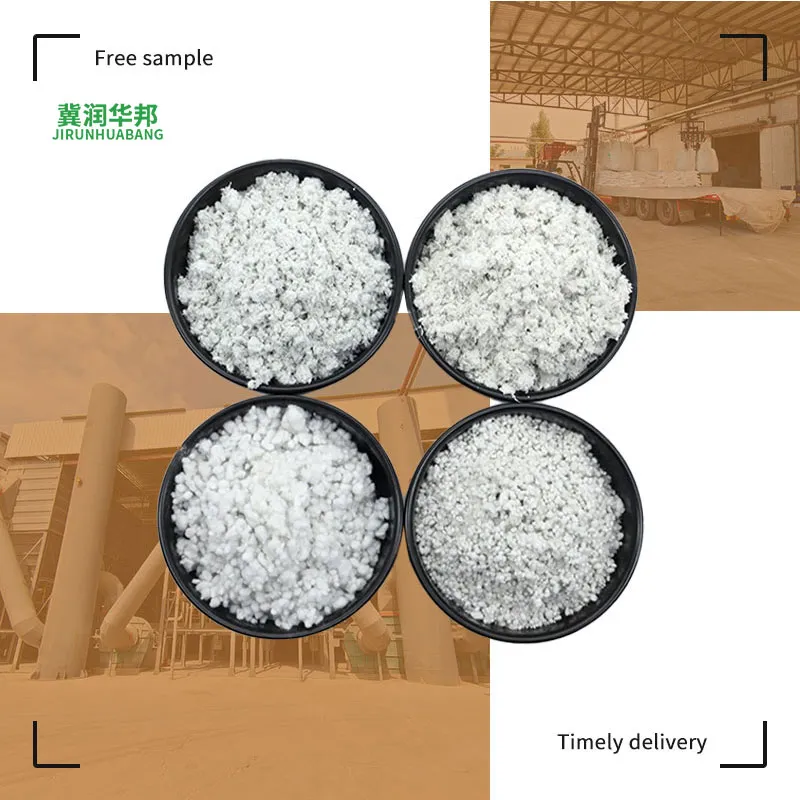
Can the particle size be customized? Yes, milling and classification steps allow adjustment of D₅₀ within the 2 µm to 50 µm range based on process requirements.
What information is needed for a quotation? Required details include intended application, desired dosage rate, target particle size, order volume, and any special packaging or documentation needs.
How is product quality verified? Quality is verified through in‑process checks and final lot testing as described above; test reports accompany each shipment.
Are there any regulatory compliances? The material meets FDA GRAS status for use as a filtration aid and is listed in the EU Register of Feed Additives under specific conditions.