




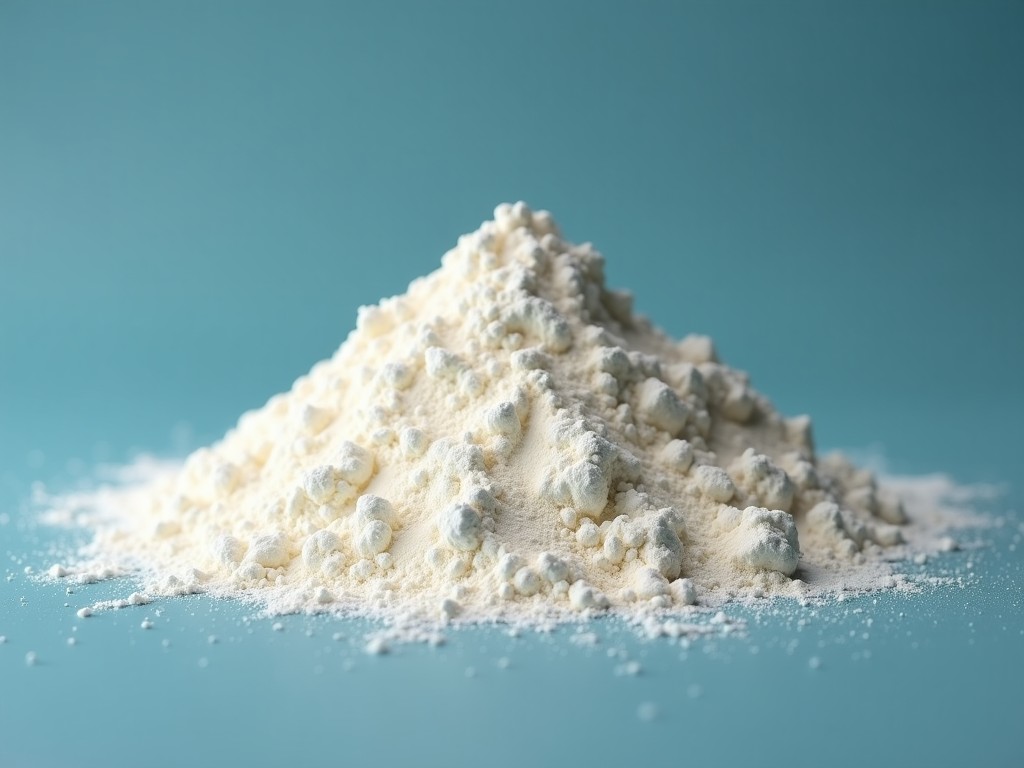
Diatomaceous Earth Powder Price Where To Buy
Diatomaceous Earth Powder: Price Information and Purchase Options
Diatomaceous earth (DE) is a naturally occurring siliceous sediment formed from fossilized diatoms. Its primary component is amorphous silicon dioxide, typically ranging from 80% to 94% by weight, with trace amounts of aluminum oxide, iron oxide, and calcium carbonate depending on the deposit source.
Material Characteristics
The functional performance of DE powder is governed by particle size distribution, porosity, and surface area. Typical grades exhibit a median particle size (D50) between 5 µm and 25 µm, with a specific surface area of 15–30 m²/g measured by BET analysis.
- Bulk density: 0.2–0.4 g/cm³ (loose packed)
- Moisture content: ≤0.5 % after kiln drying
- pH of aqueous slurry: 7–9 (neutral to slightly alkaline)
- Loss on ignition (LOI): ≤6 % indicating low organic content
Typical Industrial Applications
DE is selected when a combination of absorbent, filtration, and mild abrasive properties is required. Its inert silica matrix does not react with most chemicals, allowing use in aggressive environments.
- Filtration aid for beverage, pharmaceutical, and chemical liquids, where it forms a permeable cake that captures fine particulates.
- Absorbent in spill control products, capable of retaining up to 1.5 × its weight in hydrocarbons.
- Mild abrasive in polishing compounds and toothpaste formulations, delivering a controlled scratch depth of 1–2 µm.
- Carrier for pesticides and fertilizers, providing a dry, free‑flowing matrix that improves granule uniformity.
Grades and Specifications
| Grade | Typical D50 (µm) | Specific Surface Area (m²/g) | Bulk Density (g/cm³) | SiO₂ Content (%) |
|---|---|---|---|---|
| Standard Filtration Grade | 12 | 22 | 0.28 | 90 |
| Fine Absorbent Grade | 6 | 28 | 0.22 | 93 |
| Coarse Abrasive Grade | 20 | 16 | 0.35 | 85 |
| Ultra‑Low Moisture Grade | 10 | 24 | 0.25 | 94 |
Pricing Factors and Purchase Channels
Price variations stem from grade purity, particle size refinement, and packaging format. Bulk shipments in 25 kg multi‑wall bags typically range from USD 0.30 to USD 0.60 per kilogram, while smaller 5 kg resealable pouches for laboratory use are priced between USD 0.80 and USD 1.20 per kilogram.
Procurement options include direct purchase from mineral processors, distribution through industrial supply houses, and online marketplaces that list real‑time quotations. For volume‑based inquiries, suppliers usually request the desired grade, annual quantity, and delivery location to generate a formal quote.
- Request a quote: contact us
- View current catalog: product catalog
- Schedule a sample: sample request
Quality Assurance
Suppliers control quality through lot‑by‑lot testing of SiO₂ content via X‑ray fluorescence, particle size distribution using laser diffraction, and moisture content by thermogravimetric analysis. Certification documents such as COA (Certificate of Analysis) and SDS (Safety Data Sheet) accompany each shipment.
Frequently Asked Questions
- Can the particle size be customized? Yes, jet‑milling or air classification can achieve D50 values from 3 µm to 40 µm based on customer specifications.
- What information is needed for a quotation? Required details include grade preference, estimated annual volume, packaging type (bag, bulk, pouch), and destination port or address.
- Are there any usage restrictions? DE is considered inert; however, inhalation of fine dust should be avoided, and appropriate respiratory protection is recommended during handling.
For technical assistance or to obtain a current price quote, reach out to our sales team using the link below.