




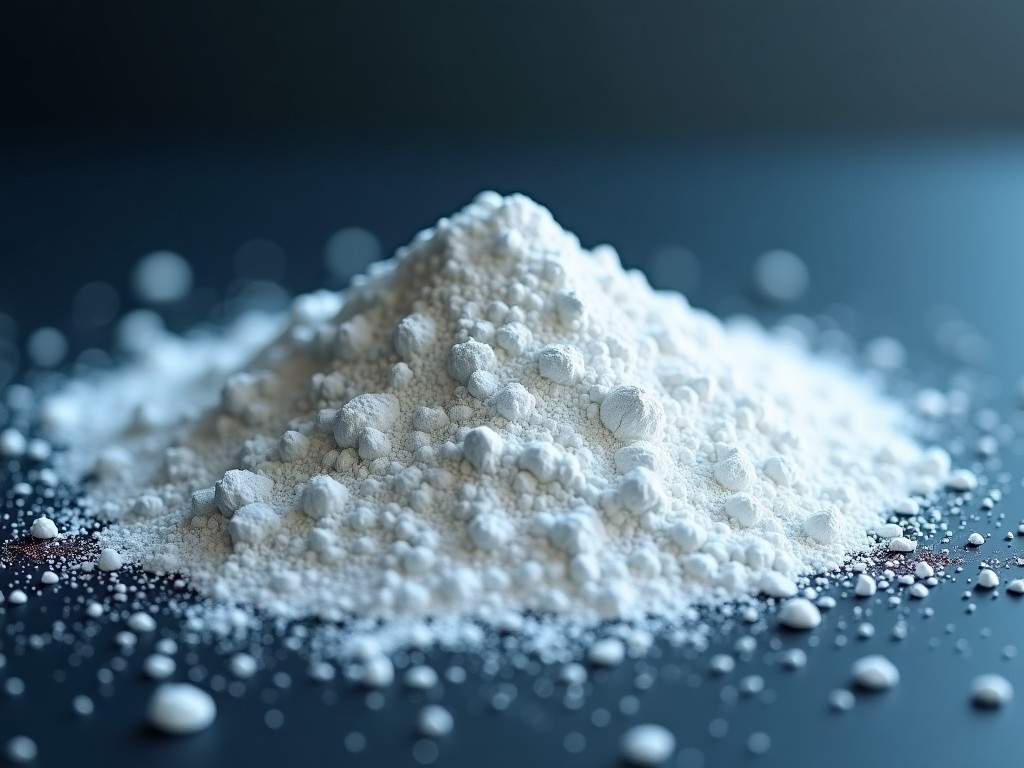
Diatomaceous Earth What Is It Used For
Diatomaceous Earth: Composition, Properties, and Industrial Applications
Diatomaceous earth (DE) is a naturally occurring sedimentary rock formed from the fossilized silica shells of microscopic algae called diatoms. Over geological time, these siliceous frustules accumulate in freshwater or marine deposits, creating a porous, low‑density material composed chiefly of amorphous silicon dioxide.
Typical commercial grades contain 80 % to 94 % SiO₂, with the remainder consisting of minor oxides such as Al₂O₃, Fe₂O₃, and CaO. The unique microstructure—millions of microscopic pores ranging from 0.1 µm to several micrometres—gives DE a high specific surface area, low bulk density, and mild abrasive characteristics.
Chemical and Physical Properties
The inert nature of amorphous silica makes DE chemically stable in most acidic and alkaline environments, while its porous network provides high liquid absorption capacity. Mechanical strength is low, which allows easy milling to precise particle sizes without significant fracture energy.
| Property | Typical Value |
|---|---|
| Silicon Dioxide (SiO₂) | 80 % – 94 % |
| Loss on Ignition (LOI, 1000 °C) | ≤ 5 % |
| Bulk Density (loose) | 0.2 – 0.4 g/cm³ |
| Specific Surface Area (BET) | 15 – 45 m²/g |
| pH (10 % slurry) | 7 – 9 |
| Mohs Hardness | 1.5 – 2.5 |
Forms and Processing
Raw DE is harvested, dried, and milled to a range of particle distributions. Calcination at 800 °C–1000 °C removes organic matter and increases stability, while flux‑calcination with soda ash or limestone produces a harder, more abrasive product suitable for polishing applications. Surface treatment (e.g., silanization) can modify hydrophobicity for specific filler or carrier uses.
Typical Industrial Applications
In filtration, DE’s high porosity and rigid particle skeleton create a permeable cake that traps fine solids while allowing high flow rates—common in beverage clarification, swimming‑pool water treatment, and industrial coolant filtration.
As an absorbent, DE can retain up to its own weight in liquids, making it effective for spill control, oil‑based contaminant remediation, and as a carrier for active ingredients in agricultural formulations.
When used as a functional filler in paints, plastics, and rubber, DE contributes to reinforcement, matting, and rheology control without significantly increasing weight. Its mild abrasivity enables incorporation into polishes, toothpaste, and metal‑cleaning compounds where controlled surface removal is required.
In thermal insulation, the trapped air within DE’s pore structure yields low thermal conductivity (≈ 0.04 W/m·K), allowing its use in lightweight insulating boards and granules for high‑temperature applications.
Quality Control and Testing
Industrial suppliers verify DE grades against standards such as ASTM C618 (for pozzolanic materials) and ISO 12488 (filter aids). Routine testing includes laser diffraction for particle size distribution, thermogravimetric analysis for loss on ignition, ICP‑OES for trace metal content, and permeability tests for filter‑cake performance.
Consistency in bulk density and moisture content is monitored to ensure predictable handling and dosing in automated processes. Certificates of analysis are provided per lot, detailing SiO₂ percentage, LOI, pH, and any client‑specified limits.
Frequently Asked Questions
Q: Can the particle size be customized for my process?
A: Yes. Milling and classification allow specification of d₅₀ values ranging from 5 µm (fine filter aid) to 150 µm (coarse absorbent) upon request.
Q: What information is needed for a quotation?
A: Required details include intended application, desired purity or SiO₂ content, particle size range, moisture tolerance, and order volume.
Q: Are there different grades for food‑contact versus industrial use?
A: Food‑grade DE meets FDA 21 CFR 184.1400 and FCC specifications, with lower heavy‑metal limits and higher silica purity. Industrial grades may prioritize mechanical strength or abrasiveness.
Q: How is DE packaged for shipment?
A: Standard packaging includes multi‑wall paper bags (25 kg), bulk‑bag FIBCs (500 kg–1000 kg), or pneumatic tanker delivery for large‑volume users. Moisture‑barrier liners are available for hygroscopic environments.
Q: What is the typical lead time?
A: Lead times vary from 2 weeks for stocked grades to 6‑8 weeks for custom‑calcined or surface‑treated material, depending on order size and scheduling.
For technical datasheets, sample requests, or project‑specific consultation, contact our engineering team.
Request Information