




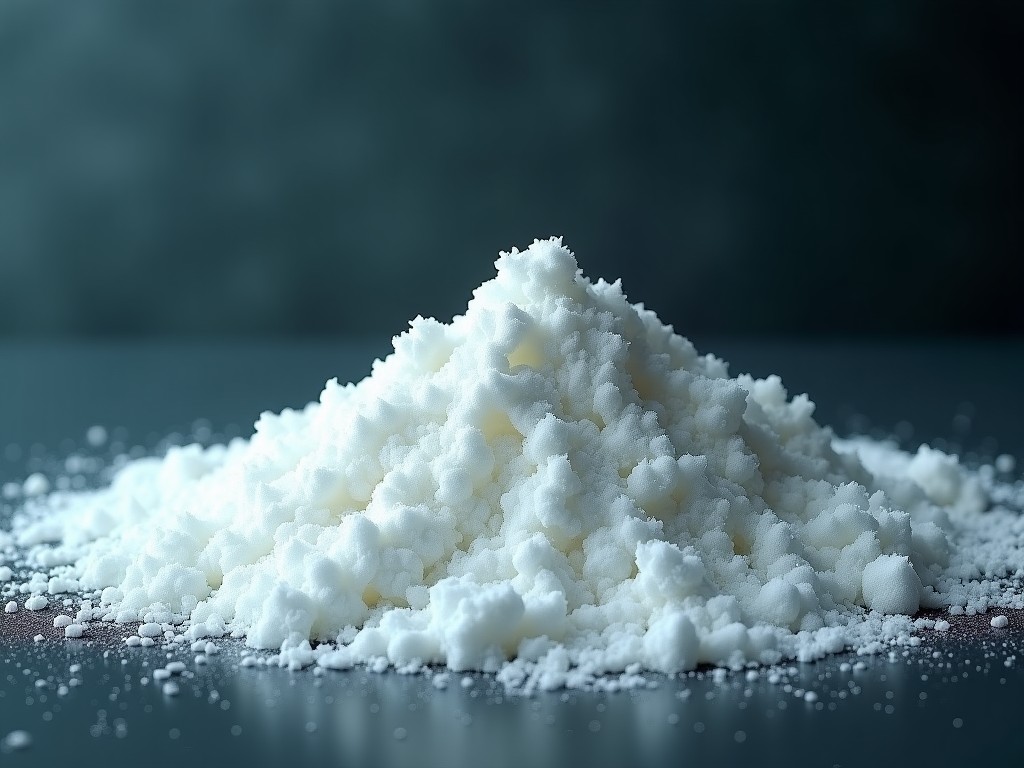
Diatomaceous Earth Where Does It Come From
Diatomaceous Earth: Origin and Composition
Natural Occurrence and Geological Formation
Diatomaceous earth originates from the fossilized remains of diatoms, a type of hard‑shelled algae that lived in ancient freshwater lakes and marine environments. Over millions of years, the silica‑rich frustules of these organisms accumulated on lake beds, forming thick sedimentary deposits.
Geological processes such as uplift, erosion, and subsequent burial transformed these sediments into the porous rock we mine today. The purity and structure of the deposit depend on the water chemistry, temperature, and sedimentation rate during the diatom bloom periods.
Major commercial deposits are found in regions with historic lake systems, including the western United States (California, Nevada, Washington), parts of Europe (France, Denmark), and areas of Africa and Asia where similar lacustrine conditions existed.
Types and Grades Based on Source
The mineralogy of diatomaceous earth varies with the source water. Fresh‑water deposits typically yield a product with lower crystalline silica content and a more irregular particle shape, while marine‑origin material often shows higher purity and a more uniform frustule morphology.
Grades are classified by particle size distribution and calcination temperature. Raw (natural) grades retain the original frustule structure, whereas calcined grades are heated to 800‑1000 °C to increase porosity and remove organic impurities, resulting in a higher surface area.
Typical classifications include:
- Feed‑grade – low crystalline silica, suitable for animal nutrition.
- Filter‑grade – high porosity, used in liquid clarification.
- Insecticide‑grade – particle size optimized for mechanical pest control.
- Absorbent‑grade – optimized for spill containment.
Production and Processing Overview
Extraction begins with open‑pit mining of the sedimentary layer. The raw material is crushed to reduce large fragments, then dried to remove moisture content typically below 5 % by weight.
Depending on the intended grade, the dried ore may undergo milling to achieve a target particle size distribution, followed by air classification to separate fine fractions. For calcined grades, the milled product is fed into a rotary kiln where controlled oxidation removes volatiles and stabilizes the silica structure.
Final steps include sieving to meet specification limits, bulk density adjustment via light compaction, and packaging in moisture‑resistant bags or bulk containers.
Technical Properties (Typical Values)
| Property | Typical Range | Test Method |
|---|---|---|
| Silica (SiO₂) content | 85‑98 % (depending on grade) | XRF analysis |
| Crystalline silica (quartz) | <1 % (natural); <0.1 % (calcined) | X‑ray diffraction |
| Bulk density | 0.2‑0.5 g/cm³ (loose) | ASTM C29 |
| Particle size (d50) | 5‑30 µm (filter grade); 10‑100 µm (absorbent) | Laser diffraction |
| pH (10 % slurry) | 7‑9 | ASTM D1293 |
| Loss on ignition (LOI) | <2 % (calcined); 2‑6 % (natural) | Thermogravimetric analysis |
Values are indicative; actual specifications are confirmed per lot and can be adjusted according to project requirements.
Typical Industrial Applications
The high porosity and inert silica matrix make diatomaceous earth effective as a filtration aid, where it forms a permeable cake that traps fine particulates while allowing liquid flow. This property is leveraged in beverage clarification, pharmaceutical processing, and water treatment.
Its abrasive yet low‑density nature provides a mechanical insect control mode; particles adhere to insect exoskeletons, disrupting the waxy layer and causing dehydration. This allows use in stored‑product protection and livestock housing without chemical residues.
In absorbency applications, the interconnected pore structure captures liquids and oils, making it suitable for spill cleanup, industrial floor‑drying, and carrier material for pesticides or fertilizers.
Additionally, the material serves as a functional filler in paints, plastics, and rubber, where it modifies viscosity, enhances barrier properties, and contributes to flame retardancy through its silica content.
Selection of grade depends on the required pore size, surface chemistry, and particle hardness for each specific process.
Quality Control and Testing Philosophy
Each production lot undergoes systematic verification of chemical composition, crystalline silica fraction, and particle size distribution. Sampling follows a stratified plan to capture variability across the bulk.
Key tests include X‑ray fluorescence for major oxides, laser diffraction for granularity, and thermogravimetric analysis for loss on ignition. Results are compared against internal specifications that reference industry standards such as ASTM C618 and ISO 12457.
Traceability is maintained from mine to final package, enabling rapid investigation if a parameter deviates. Corrective actions may involve reprocessing, blending, or lot rejection based on risk assessment.
Frequently Asked Questions
Can the particle size distribution be customized?
Yes. Milling and air classification parameters are adjusted to meet target d10, d50, and d90 values as defined by the client’s filtration or absorption criteria.
What information is needed for a quotation?
Required details include intended application, desired grade (natural or calcined), quantity, packaging preference, and any specific limits on crystalline silica or moisture content.
How is product quality verified before shipment?
Each batch is accompanied by a certificate of analysis reporting SiO₂ content, crystalline silica, bulk density, pH, and loss on ignition. Additional testing can be arranged upon request.
What packaging options are available?
Standard offerings include 25 kg multi‑wall paper bags with polyethylene inner liner, 500 kg bulk sacks, and loose bulk in rail or truck containers. Custom packaging can be discussed.
For technical data sheets, sample requests, or to discuss a specific project requirement, please contact our engineering team.
Contact Us