




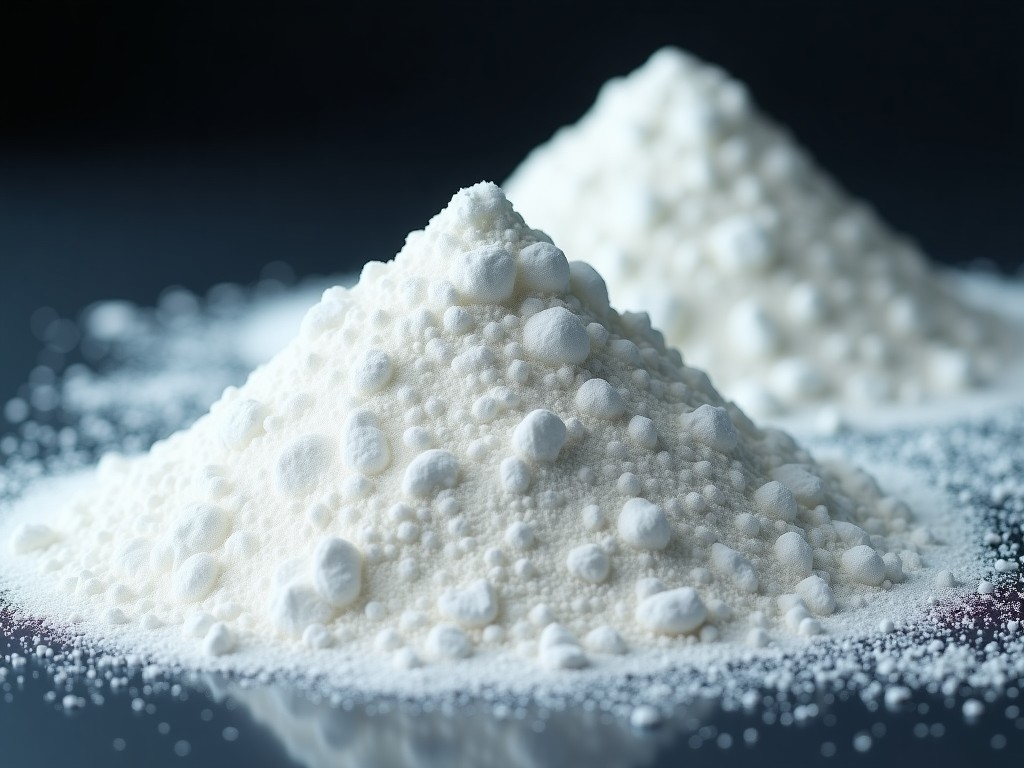
Different Grades Of Diatomaceous Earth
Different Grades of Diatomaceous Earth
Diatomaceous earth (DE) originates from the fossilized remains of diatoms, microscopic algae with silica‑rich frustules. After mining, the raw material is milled, classified, and optionally calcined to produce grades that differ in purity, particle size distribution, and surface chemistry.
What Defines a Grade?
A grade is defined by the combination of chemical composition (mainly SiO₂), loss on ignition (LOI), crystalline silica content, and physical attributes such as median particle size (D50), bulk density, and absorptive capacity. These parameters dictate how the powder behaves in filtration, absorption, abrasion, or carrier applications.
Common Grades and Their Typical Characteristics
The following table summarizes typical values for three widely used grades. Exact numbers can vary with source material and processing; values are provided as reference points for technical comparison.
| Property | Food Grade | Pool Grade (Calcined) | Filter Grade (Natural) |
|---|---|---|---|
| SiO₂ (%) | ≥ 85 | ≥ 90 | ≈ 70‑80 |
| Loss on Ignition (% at 1000 °C) | ≤ 5 | ≤ 2 | 6‑10 |
| Crystalline Silica (quartz) (%) | < 0.1 (amorphous) | < 0.1 (amorphous after calcination) | Variable, typically 5‑15 |
| D50 (µm) | 10‑15 | 7‑12 | 15‑25 |
| Bulk Density (g/L) | 300‑400 | 350‑450 | 250‑350 |
| Absorptive Capacity (g oil/100 g) | 1.5‑2.0 | 1.2‑1.8 | 2.0‑2.5 |
How Properties Translate to Performance
Higher SiO₂ and lower LOI generally increase chemical inertness and thermal stability, making the material suitable for high‑temperature processes or as a catalyst carrier. Low crystalline silica content is essential for food, pharmaceutical, and cosmetic applications to meet safety regulations.
Particle size distribution influences flowability, filtration efficiency, and abrasiveness. Finer grades (D50 < 12 µm) provide greater surface area for adsorption but may increase pressure drop in fluid‑bed systems. Coarser grades improve permeability and reduce dust generation.
Bulk density affects handling economics; lower bulk density means larger volume per kilogram, impacting storage and conveying design. Absorptive capacity correlates with pore volume and is a key factor in spill‑control, litter, and carrier‑oil formulations.
Typical Applications by Grade
- Food Grade: Used as an anti‑caking agent in powdered foods, a clarifying agent in beverage filtration, and a carrier for vitamins and probiotics where low heavy‑metal and amorphous silica content is required.
- Pool Grade (Calcined): Employed in swimming‑pool filtration media due to its high porosity, chemical stability after calcination, and ability to trap fine particulates without degrading under constant water flow.
- Filter Grade (Natural): Applied in industrial liquid‑solid separation, such as brewery wort clarification, pharmaceutical solvent filtration, and oil‑based coolant cleaning where a balance of flow rate and particle retention is needed.
- Absorbent/Spill Control: Grades with high absorptive capacity are selected for hazardous‑material spill kits, animal litter, and industrial cleanup agents.
Selecting the Right Grade for Your Process
Begin by identifying the critical performance metrics: required filtration pore size, permissible crystalline silica limit, thermal exposure, and adsorption target. Match these to the grade‑specific ranges in the table above. For example, a food‑processing line demanding <0.1 % crystalline silica and a D50 near 12 µm would typically select a food‑grade material, whereas a high‑temperature catalyst support needing >90 % SiO₂ and low LOI would favor a calcined pool grade.
If the application involves abrasive wear, such as in metal polishing or toothpaste, a slightly coarser natural filter grade may provide the needed scrubbing action while maintaining acceptable dust levels. For moisture‑sensitive environments, consider grades with lower LOI to reduce water uptake during storage.
Quality Control and Testing
Routine verification includes laser diffraction for particle size distribution, thermogravimetric analysis for loss on ignition, X‑ray diffraction for crystalline silica quantification, and BET surface area analysis for porosity assessment. Chemical composition is confirmed via X‑ray fluorescence (XRF) for major oxides and ICP‑MS for trace metals.
Suppliers typically provide a certificate of analysis (CoA) per batch, listing the measured values against the specification sheet. Customers may request additional tests such as pH of a slurry suspension or specific oil‑absorption standards depending on end‑use.
Packaging, Storage, and Handling
Product is commonly packaged in multi‑wall paper bags with polyethylene inner liners (25 kg) or in bulk flexible intermediate bulk containers (FIBCs) of 500‑1000 kg for large‑scale users. The inner liner protects against moisture uptake, which can alter flow properties and increase clumping.
Store in a dry, ventilated area away from direct sunlight. Temperatures below 30 °C and relative humidity under 60 % help maintain consistent bulk density and prevent premature agglomeration. For pneumatic conveying, maintain air velocities that keep the particles in suspension without causing excessive wall impact.
Frequently Asked Questions
- Can the particle size be customized? Yes, milling and air classification allow adjustment of D50 within the typical ranges shown; specific cuts are available upon request.
- What information is needed for a quotation? Required details include target grade, estimated annual quantity, packaging preference, destination for freight calculation, and any special testing or certification needs.
- Are there options for low‑dust handling? Certain grades are supplied with a surface‑treated coating that reduces respirable dust; this can be specified when ordering.
- How is quality assured for food‑contact applications? Food‑grade material complies with FCC and EU food additive regulations, with accompanying documentation of amorphous silica content and heavy‑metal limits.
Next Steps
If you have a specific process requirement or need assistance matching a grade to your application, contact our technical team for a detailed review.
Request Technical Consultation