

Food Safe Quality Diatomaceous Earth
Food Safe Quality Diatomaceous Earth
Diatomaceous earth is a naturally occurring siliceous sediment composed of fossilized diatom frustules. When processed to meet food‑grade standards, it provides a porous, inert mineral with a typical silica (SiO₂) content of 85‑90 % by weight.
Typical Material Characteristics
| Property | Typical Value |
|---|---|
| Silica (SiO₂) content | 85‑90 % |
| Loss on ignition (LOI) | ≤5 % |
| Moisture content | ≤0.5 % |
| pH (suspension) | 7‑9 |
| Bulk density | 0.3‑0.5 g/cm³ |
| Particle size (D50) | 10‑20 µm (adjustable) |
Values represent typical ranges for food‑grade material; actual specifications can be adjusted according to project requirements.
Typical Food‑Industry Applications
- Filtration aid for beverage clarification, where the porous structure captures fine particulates without imparting taste or odor.
- Anti‑caking agent in powdered foods, improving flowability by absorbing surface moisture.
- Carrier for vitamins and probiotics, providing a dry matrix that protects active ingredients during storage.
- Processing aid in bakery dough, reducing stickiness and improving handling characteristics.
- Component in animal feed supplements, acting as a toxin binder due to its high surface area.
Each application leverages the material’s inertness, high porosity, and controllable particle size to meet specific functional requirements while remaining compliant with food‑contact regulations.
Quality Assurance and Testing
Food‑grade diatomaceous earth is produced under controlled conditions to minimize contaminants such as heavy metals and crystalline silica. Typical testing includes:
- Inductively coupled plasma (ICP) analysis for lead, arsenic, cadmium, and mercury (limits <0.1 ppm each).
- X‑ray diffraction (XRD) to verify low crystalline silica (<0.1 %).
- Loss on ignition and moisture content via gravimetric methods.
- Particle size distribution using laser diffraction.
Test reports are available upon request, and each batch is accompanied by a certificate of analysis confirming compliance with relevant food‑contact standards.
Customization Options
Depending on the end‑use, the material can be tailored in several ways:
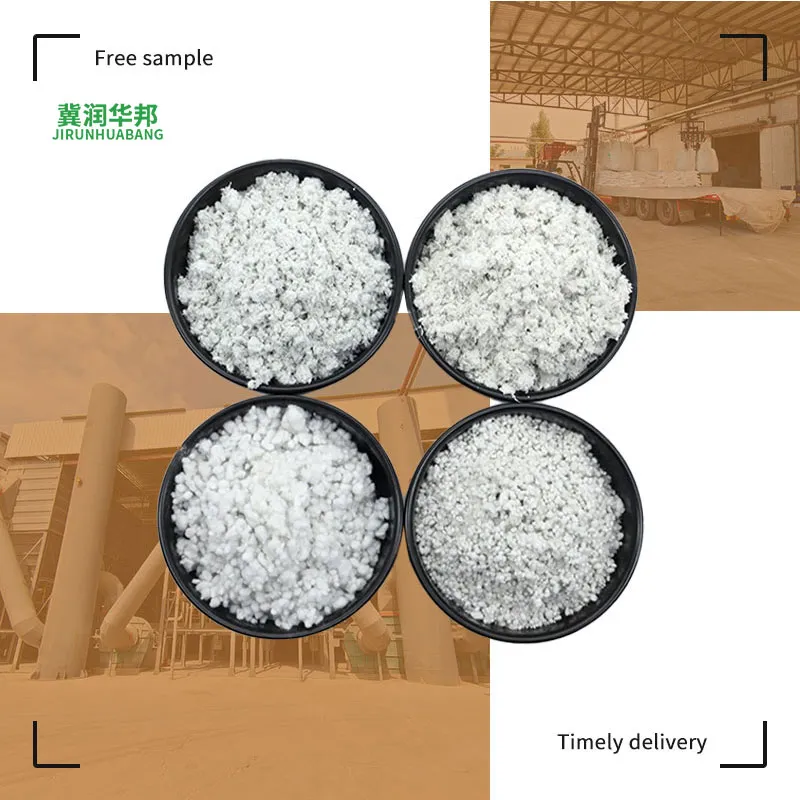
- Particle size classification (e.g., fine <5 µm for filtration, coarse 30‑50 µm for anti‑caking).
- Surface treatment with food‑grade silanes to modify hydrophobicity.
- Blending with other inert carriers (e.g., rice starch) to adjust bulk density.
- Calcination temperature adjustment to control loss on ignition.
Specify required parameters during quotation; the supplier will provide a tailored specification sheet and sample for approval.
Packaging and Storage
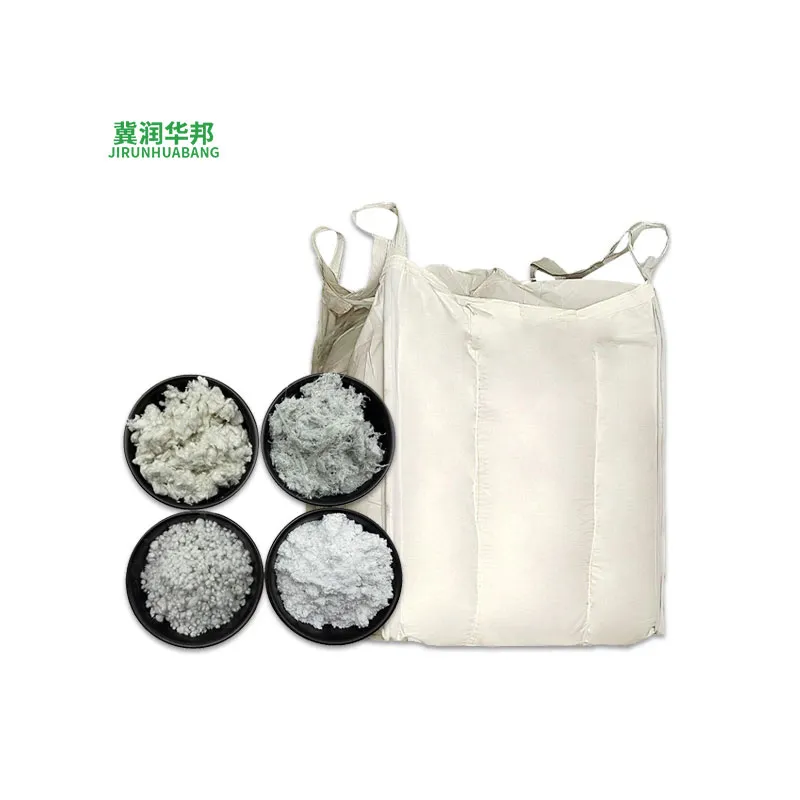
Food‑grade diatomaceous earth is typically supplied in multi‑wall paper bags with an inner polyethylene liner to prevent moisture ingress. Common net weights are 25 kg per bag, with options for 500 kg bulk bags or 20 kg consumer‑size packs.
Store in a dry, cool environment away from direct sunlight. Keep bags sealed when not in use to maintain low moisture content and preserve flow properties.
Frequently Asked Questions
Can the particle size be customized for specific filtration rates?
Yes. The material can be milled and classified to achieve target D50 values ranging from 2 µm to 50 µm, which directly influences flow rate and retention efficiency in liquid filtration.
What information is required to obtain a quotation?
Provide the intended application, required purity level, desired particle size range, quantity, and any special packaging or labeling needs. This enables the supplier to prepare an accurate quote and lead‑time estimate.
How is product safety verified for food contact?
Each batch undergoes third‑party testing for heavy metals, crystalline silica, and microbiological limits. A certificate of analysis accompanies shipment, confirming compliance with FDA 21 CFR §184.1265 and EU food additive regulations where applicable.
For detailed technical data sheets, sample requests, or project‑specific consultation, please contact our technical sales team.
Request Technical Information