


Fossil Shell Flour Exporter Factory
Fossil Shell Flour Exporter Factory
Fossil shell flour is a finely ground mineral powder produced from the calcareous shells of ancient marine organisms. The material consists predominantly of calcium carbonate in a crystalline form that retains the original micro‑structure of the fossilized shells, giving it a unique shape factor compared to ground limestone.
Product Overview
The product is supplied as a dry, free‑flowing powder with a typical bulk density between 0.6 and 0.8 g cm⁻³. Its particle size distribution can be tuned from sub‑micron to coarse grades, allowing use as a functional filler, extender, or reinforcing agent in various industrial formulations.
Composition and Properties
Chemical analysis shows calcium carbonate content usually exceeding 95 % w/w, with minor amounts of magnesium carbonate, silica, and trace metals. Loss on ignition (LOI) is typically below 5 %, indicating low organic residue. The specific surface area, measured by BET, ranges from 1 to 5 m² g⁻¹ depending on milling intensity, and the pH of a 10 % aqueous slurry is neutral, around 7.0‑7.5.
Typical Specification Table
| Parameter | Typical Value | Test Method |
|---|---|---|
| Calcium Carbonate (CaCO₃) | ≥95 % w/w | ISO 12696 |
| Magnesium Carbonate (MgCO₃) | ≤2 % w/w | ISO 12696 |
| Loss on Ignition (LOI) | ≤5 % | ASTM C25 |
| Median Particle Size (D50) | 5‑45 µm (adjustable) | Laser Diffraction |
| Whiteness (YI) | 85‑95 % | ISO 787‑1 |
Manufacturing Process
Raw fossil shells are first inspected for foreign matter, then washed in potable water to remove soluble salts. After dewatering, the shells undergo controlled drying at temperatures below 150 °C to prevent thermal alteration of the carbonate crystal structure. The dried shells are crushed in a series of impact and jet mills, followed by air classification to achieve the desired cut‑size. Final product is passed through magnetic separators and stored in climate‑controlled silos before packaging.
- Raw material inspection and washing
- Low‑temperature drying
- Multi‑stage milling and classification
- Magnetic and electrostatic cleaning
- Silos storage and conditioning
Technical Specifications (Customizable)
| Attribute | Range / Options |
|---|---|
| Particle Size (D98) | 10‑150 µm (selectable) |
| Oil Absorption (g/100g) | 15‑30 (depends on morphology) |
| Bulk Density (tapped) | 0.55‑0.85 g cm⁻³ |
| Moisture Content | ≤0.5 % w/w (adjustable) |
| Abrasion Index (RA) | < 5 mg (ISO 9277) |
Applications and Functional Benefits
In polymer compounds, fossil shell flour acts as a cost‑effective calcium carbonate filler that improves stiffness and dimensional stability while maintaining low abrasion on processing equipment. Its neutral pH and low moisture uptake make it suitable for water‑based paints and coatings, where it contributes to opacity and scrub resistance without affecting viscosity. In rubber formulations, the plate‑like particles derived from fossil shells provide reinforcement that enhances tear strength and reduces rolling resistance. Agricultural uses include soil amendment, where the slow‑release calcium carbonate corrects acidity and supplies calcium to crops over an extended period.
- Thermoplastics (PVC, PP, PE) – stiffness, impact modification
- Thermosets (epoxy, polyester) – filler, shrinkage control
- Paints & coatings – opacity, rheology control
- Rubber (NR, SBR, EPDM) – reinforcement, abrasion resistance
- Agriculture – soil pH adjustment, calcium source
- Adhesives & sealants – viscosity modification, cost reduction
Quality Control Philosophy
Every batch undergoes a systematic inspection protocol that begins with raw material verification and continues through in‑process checks to final product release. Particle size distribution is monitored by laser diffraction at the mill outlet and again after sieving. Chemical purity is confirmed by ICP‑OES for major and trace elements. Loss on ignition and moisture content are measured gravimetrically according to ASTM standards. All test results are recorded in a traceable batch record and reviewed before shipment.
- Raw shell assay (CaCO₃, MgCO₃, acid insoluble)
- In‑process particle size (laser diffraction)
- Final bulk density and tapped density
- Moisture and LOI (thermogravimetric)
- Whiteness and colorimetry (spectrophotometer)
- Packaging integrity (seal, weight)
Packaging Options
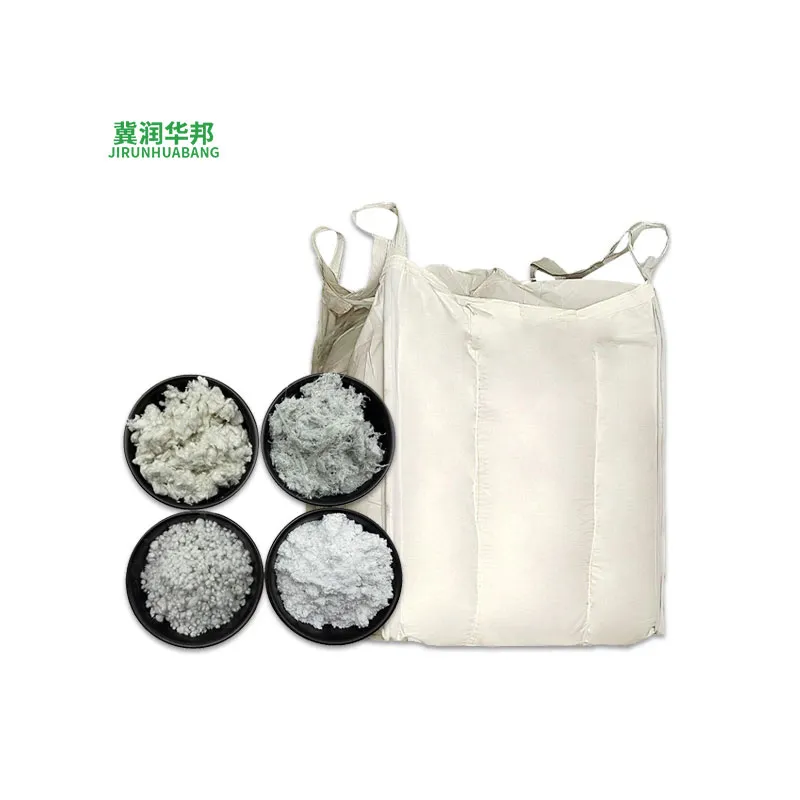
The product is packaged in multi‑layer polypropylene bags with an inner polyethylene liner to protect against moisture ingress. Standard bag sizes are 25 kg net weight, fitted with a valve for efficient filling and a tear‑strip for easy opening. For bulk shipments, the flour can be loaded into lined flexible intermediate bulk containers (FIBCs) of 500 kg or 1000 kg capacity, or into pneumatic tankers for direct transfer to customer silos. All pallets are stretch‑wrapped and corner‑protected to ensure stability during transit.
| Package Type | Net Weight | Features |
|---|---|---|
| Valve Bag (PP/PE) | 25 kg | Moisture barrier, easy handling |
| FIBC (lined) | 500 kg / 1000 kg | Reduced packaging waste, suitable for pneumatic conveying |
| Bulk Tanker | Up to 25 t | Direct silo fill, minimal handling |
Export Considerations
Shipments comply with international phytosanitary regulations; a fumigation certificate is provided when required by destination customs. Documentation includes a commercial invoice, packing list, material safety data sheet (MSDS), and certificate of analysis. Lead times typically range from 2 to 4 weeks after order confirmation, depending on vessel availability and destination port. The factory maintains a dedicated export desk to manage customs clearance, insurance, and tracking updates.
Customization Options
Particle size distribution can be adjusted by altering mill speed and classifier cut‑points, allowing production of ultrafine grades (< 5 µm D50) for high‑gloss coatings or coarser grades (> 100 µm D98) for rubber reinforcement. Surface treatment with stearic acid or silane coupling agents is available to improve compatibility with polar polymers. Moisture content can be lowered to below 0.2 % w/w through additional drying cycles upon request. Custom packaging labels, barcodes, and pallet configurations are also offered to meet specific logistics requirements.
- Particle size tuning (D50, D98)
- Surface modification (stearate, silane)
- Low‑moisture grades (< 0.2 % w/w)
- Private label printing
- Special pallet sizes & stacking patterns
Frequently Asked Questions
A: Yes, the milling and classification parameters are adjusted to meet target D50 ranges from 2 µm to 50 µm, with verification by laser diffraction before release.
A: Required details include desired particle size range, order quantity, preferred packaging type, delivery destination, and any required certifications (e.g., REACH, FDA).
- Food grade calcium carbonate with < 0.1 % w/w acid insoluble
- Low‑heavy‑metal specification (Pb, Cd, As, Hg < 1 ppm)
A: Each batch is accompanied by a certificate of analysis showing CaCO₃ content, loss on ignition, moisture, particle size distribution, and whiteness, all tested according to ISO/ASTM standards.
A: Commercial invoice, packing list, material safety data sheet, certificate of analysis, phytosanitary/fumigation certificate (if required), and bill of lading.
Contact for Technical Inquiry
For further details on specifications, customization, or to request a formal quotation, please reach out to our technical sales team. Provide your application requirements and we will respond with a tailored proposal and lead‑time estimate.
Request a Quote