

Leading Diatomaceous Earth Manufacturers From China
Leading Diatomaceous Earth Manufacturers from China
Diatomaceous earth (DE) is a naturally occurring, soft sedimentary rock composed of fossilized diatoms, primarily amorphous silica (SiO₂) with minor amounts of alumina and iron oxide. Chinese manufacturers benefit from extensive freshwater lacustrine deposits in regions such as Jilin and Yunnan, which provide consistent raw material quality suitable for industrial processing.
Material Characteristics and Grades
The amorphous silica content typically ranges from 80 % to 94 %, which determines the chemical inertness and thermal stability of the final product. Trace elements such as Fe₂O₃ and Al₂O₃ usually remain below 2 % each, influencing color and pH but not affecting performance in most applications.
Natural DE exhibits a bulk density between 0.2 and 0.4 g/cm³ and a pH value ranging from 7 to 9 after drying, making it compatible with acidic and neutral processes.
Common Product Grades
Manufacturers classify DE according to particle size distribution and surface treatment to match specific end‑use requirements.
- Filtration grade – D50 typically 5‑15 µm, low oil absorption.
- Absorbent grade – D50 10‑25 µm, high liquid uptake capacity.
- Carrier grade – D50 20‑40 µm, coated for pesticide or fertilizer loading.
Typical Specifications
Values below represent typical ranges for standard grades; actual properties can be adjusted according to project requirements.
| Grade | Typical D50 (µm) | Specific Surface Area (m²/g) | Absorption Capacity (g/g) | Loss on Ignition (%) | Typical Applications |
|---|---|---|---|---|---|
| Filtration | 5‑15 | 15‑25 | 1.2‑1.8 | <0.5 | Beverage, pharmaceutical, water treatment |
| Absorbent | 10‑25 | 25‑35 | 2.0‑3.0 | 0.5‑1.0 | Spill control, industrial cleaning, litter |
| Carrier | 20‑40 | 10‑20 | 0.8‑1.5 | 0.3‑0.8 | Pesticide, fertilizer, seed coating |
Manufacturing Process Considerations
Raw ore is extracted from open‑pit mines and transported to drying units where moisture is reduced to below 5 % to prevent clumping during milling.
The dried material undergoes primary crushing followed by fine milling in jet or ball mills to achieve the target particle size distribution; air classifiers then separate oversized fractions.
Depending on the grade, the milled powder may be calcined at temperatures between 600 °C and 900 °C to enhance hardness and remove volatile organics, or surface‑treated with silanes to improve hydrophobicity for absorbent applications.
Quality Control and Testing
Particle size distribution is verified using laser diffraction analyzers, reporting D10, D50, and D90 values to ensure consistency across batches.
Specific surface area is measured by BET nitrogen adsorption, while loss on ignition (LOI) determines residual organic content after heating to 1000 °C.
Chemical purity is confirmed via X‑ray fluorescence (XRF) for SiO₂, Fe₂O₃, and Al₂O₃ concentrations, and moisture content is assessed by Karl Fischer titration.
Applications and Performance Rationale
In filtration, DE’s high porosity and rigid skeletal structure create a permeable cake that captures fine particulates without significant pressure drop, making it ideal for beverage clarification and pharmaceutical polishing.
As an absorbent, the interlocking diatom frustules provide a large internal surface area and low bulk density, enabling rapid uptake of oils, solvents, and water‑based spills while remaining free‑flowing.
When used as a carrier for active ingredients, DE’s inert silica matrix prevents chemical degradation and allows controlled release due to its tunable pore size and surface chemistry.
In pesticide formulations, DE acts as a diluent that improves flowability and reduces dustiness, while its abrasive nature can contribute to mechanical action against certain insect pests.
Customization Options
Particle size can be adjusted through selective milling and classification to meet D50 targets ranging from 2 µm for fine filtration to 50 µm for heavy‑duty absorbent grades.
Surface modification with silanes, fluoropolymers, or fatty acids alters wettability, enabling hydrophobic absorbent grades or hydrophilic carrier grades as required.
Moisture content is controlled via post‑drying conditioning, typically maintained below 0.5 % for free‑flowing powders or increased to 2‑3 % for specific agglomeration processes.
Packaging formats can be tailored to include valve‑sealed bags, bulk liners, or moisture‑barrier films to suit handling equipment and storage conditions.
Packaging and Logistics
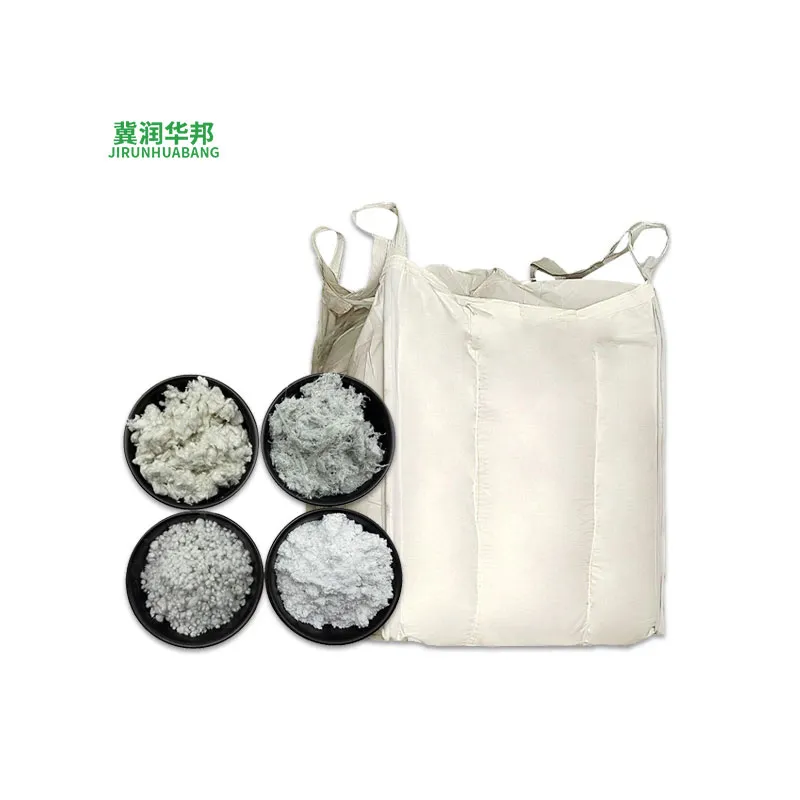
Standard packaging consists of multi‑wall paper bags with an inner polyethylene liner, available in 25 kg net weight, providing protection against humidity and contamination.
For high‑volume users, flexible intermediate bulk containers (IBCs) of 500 kg or 1 tonne capacity are offered, equipped with discharge spouts and dust‑tight seals.
All palletized shipments are stretch‑wrapped and fitted with corner boards to stabilize loads during transit, and desiccant packets are included when long‑term storage is anticipated.
Container loading is optimized to maximize weight distribution, typically allowing 20‑22 metric tons per 40‑foot dry container for bagged product and up to 24 metric tons for IBCs.
Lead Times and Sampling
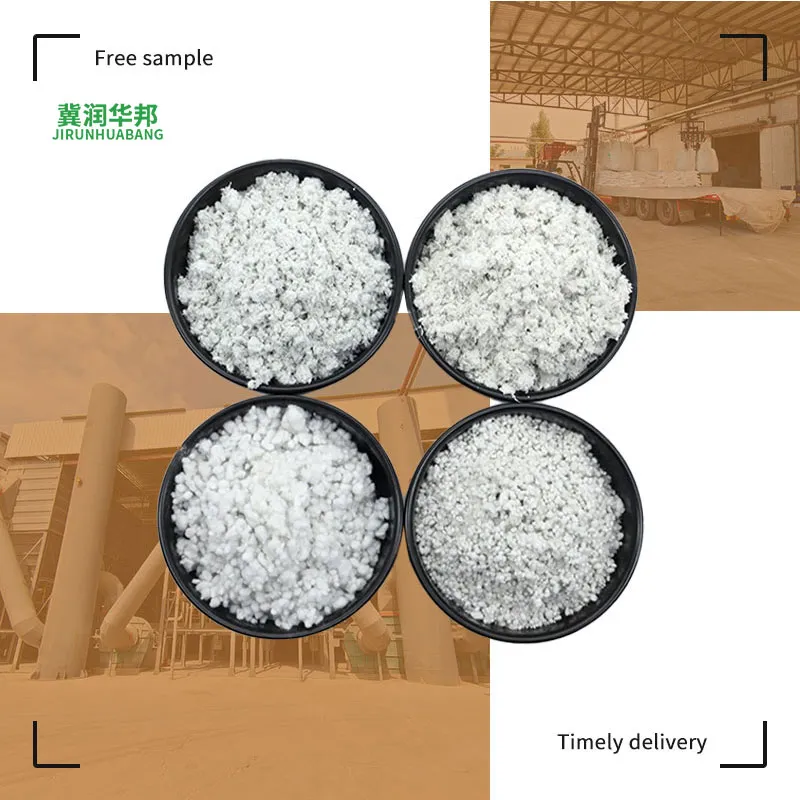
Standard production lead time ranges from 2‑4 weeks after receipt of a confirmed purchase order, depending on order size and any required customization.
Free samples of up to 1 kg are available upon request, accompanied by a certificate of analysis that includes particle size, surface area, LOI, and moisture data.
Third‑party test reports can be arranged for specific parameters such as abrasion resistance or chemical compatibility, with associated lead times communicated at quotation.
Frequently Asked Questions
- Q: Can dimensions be customized?
A: Yes, particle size distribution and surface treatment are adjustable according to application needs; detailed specifications are required for quotation. - Q: What information is required before quotation?
A: Desired grade, target D50, required surface area or absorption capacity, quantity, packaging preference, and delivery destination. - Q: What materials are available?
A: We supply amorphous diatomaceous earth grades; crystalline forms are not offered due to health and safety considerations. - Q: How is quality inspected?
A: Each batch undergoes laser diffraction particle size analysis, BET surface area measurement, loss on ignition testing, and XRF chemical composition verification. - Q: What packaging methods are available?
A: Standard multi‑wall paper bags with PE liner, bulk IBCs, and custom‑lined containers are offered; special requirements can be discussed. - Q: How are export shipments protected?
A: Shipments include moisture‑barrier liners, desiccant packs, and stretch‑wrapped pallets to prevent humidity ingress and physical damage. - Q: What is the typical production lead time?
A: Lead time is typically 2‑4 weeks for standard grades; custom grades may require additional time for process adjustments. - Q: How are samples arranged?
A: Samples are prepared after specification confirmation, shipped via express courier with accompanying analysis report, and are free of charge for up to 1 kg.
Contact / CTA
For technical inquiries, sample requests, or to discuss a custom specification, please contact our sales team.