

Oem Natural Diatomaceous Earth Powder
OEM Natural Diatomaceous Earth Powder
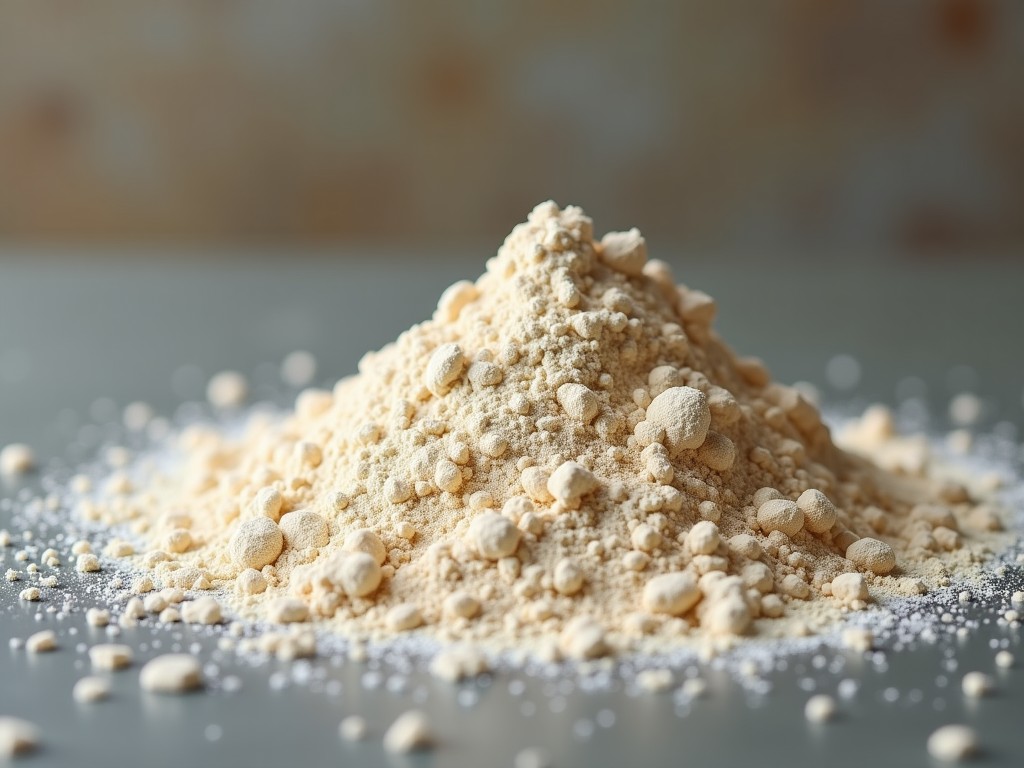
The material is composed of amorphous silica derived from the fossilized frustules of diatoms, presenting a highly porous microstructure with typical pore diameters ranging from 0.1 to 0.2 µm. This structure yields a specific surface area generally between 10 and 40 m²/g, depending on the deposit and processing grade. The intrinsic silanol surface groups enable mild polarity, which influences adsorption behavior for both polar and non‑polar substances.
Material Composition and Structure
Chemical analysis shows silicon dioxide content exceeding 85 % by weight, with trace amounts of aluminum oxide, iron oxide, and calcium oxide typically below 2 % each. Loss on ignition after calcination at 900 °C is usually under 5 %, indicating minimal organic residue. The particle shape is predominantly cylindrical or disc‑like, contributing to low packing density and high void fraction in bulk form.
Key Technical Characteristics
Bulk density of the loose powder varies from 0.20 to 0.35 g/cm³, while tapped density reaches 0.35 to 0.45 g/cm³, reflecting its low mass per volume. Moisture content at equilibrium with 50 % relative humidity is generally below 0.5 % by weight. The pH of a 10 % aqueous suspension falls within the range of 7 to 9, making the material chemically neutral in most aqueous systems.
| Property | Typical Value | Test Method |
|---|---|---|
| Silicon Dioxide (SiO₂) Content | ≥85 wt % | XRF |
| Bulk Density (Loose) | 0.20–0.35 g/cm³ | ASTM B212 |
| Moisture Content | ≤0.5 wt % | Karl Fischer |
| pH (10 % Suspension) | 7–9 | ASTM D1293 |
| Specific Surface Area (BET) | 10–40 m²/g | BET N₂ Adsorption |
Primary Industrial Applications
In filtration, the powder acts as a filter aid that forms a permeable cake, allowing high flow rates while capturing fine particulates; its inert silica surface minimizes chemical interaction with filtrates. As an absorbent, the high porosity enables rapid uptake of liquids such as oils, solvents, and aqueous spills, making it suitable for spill‑control mats and carrier matrices for agrochemicals. The mild abrasiveness and uniform particle shape support its use in polishing compounds for metal and optical surfaces, where consistent surface finish is required without excessive material removal.
- Filtration aids for beverage, pharmaceutical, and chemical processing.
- Absorbent granules for industrial spill remediation and hazardous material containment.
- Carrier and diluent for pesticide formulations, ensuring even distribution and controlled release.
- Filler and reinforcing agent in plastics, rubber, and composite materials to reduce density and improve thermal insulation.
- Polishing media for semiconductor wafers, glass, and precision metal components.
Customization Options for OEM Partners
Particle size distribution can be tailored through classification or milling to achieve specific D10, D50, and D90 points, influencing flowability, filtration efficiency, and abrasive behavior. Surface modification techniques such as silanization or acid treatment adjust silanol density, altering hydrophilicity or affinity for specific adsorbates. Calcination temperature and time can be adjusted to control the loss on ignition and surface area, enabling grades ranging from low‑density filter aids to higher‑density filler grades.
- Custom particle size ranges (e.g., 5–45 µm, 10–100 µm) available upon request.
- Surface functionalization with amino, methyl, or chloro silanes for specialized adhesion or compatibility.
- Adjustable bulk density via controlled agglomeration or granulation processes.
- Optional addition of anti‑caking agents to improve flow in high‑humidity environments.
Quality Control and Testing
Each batch undergoes laser diffraction analysis to verify particle size conformity to the agreed specification. Chemical composition is confirmed by X‑ray fluorescence, while loss on ignition is measured by thermogravimetric analysis to ensure thermal stability. Moisture content is monitored using capacitive sensors or Karl Fischer titration, depending on required sensitivity. All test results are documented and supplied with the material certificate of analysis.
Packaging and Logistics
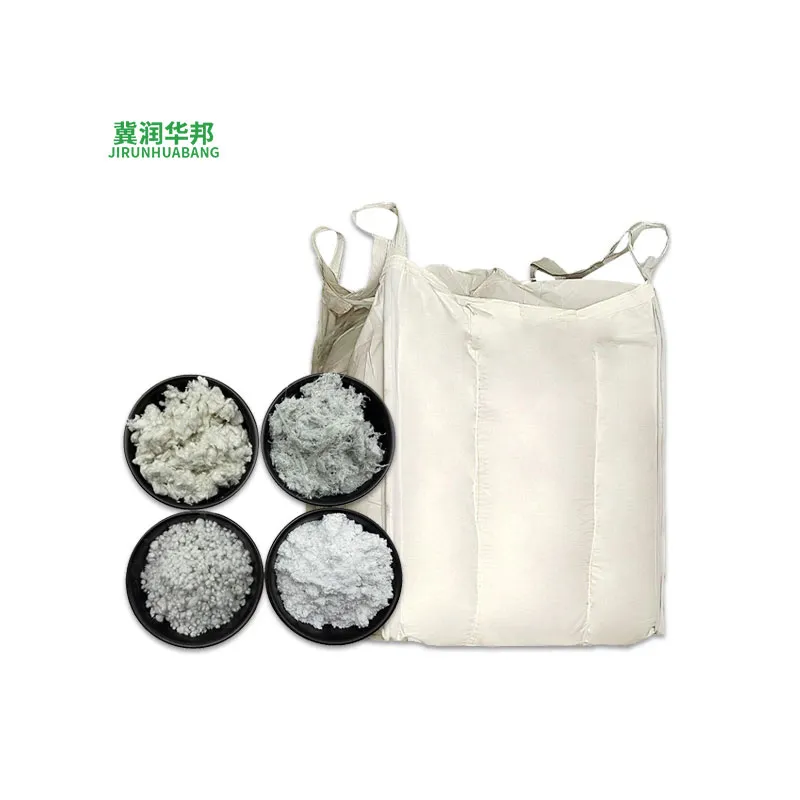
The powder is packaged in multi‑wall polyethylene bags with an inner moisture barrier, typically rated for 25 kg net weight, to prevent moisture uptake during transport and storage. For larger volume shipments, bulk containers such as flexi‑bags or ISO tankers equipped with dry air purging are available. Palletized units are stretch‑wrapped and labeled with handling instructions to maintain product integrity.
- 25 kg polyethylene‑lined bags (standard).
- 500 kg bulk bags with optional liner for moisture protection.
- Super‑sack configurations up to 1500 kg for high‑volume users.
- Custom labeling and barcoding per customer specifications.
Frequently Asked Questions
- Can the particle size be customized? Yes, we offer classification or milling services to meet specific D50 and distribution requirements.
- What information is needed for a quotation? Required details include target particle size, desired surface treatment, order quantity, packaging preference, and delivery destination.
- Are food‑grade or pharmaceutical grades available? Grades meeting FDA 21 CFR 182.10 or EP/USP specifications can be supplied upon request with appropriate documentation.
- How is product quality verified? Each lot includes a certificate of analysis covering SiO₂ content, moisture, loss on ignition, particle size, and pH.
- What is the typical lead time? Standard lead time is 2–3 weeks for stocked grades; customized grades may require 4–6 weeks depending on processing complexity.
Request a Quote or Sample
To discuss your specific OEM requirements, obtain a sample, or receive a formal quotation, please contact our technical sales team.
Request Quote