

Oem Price Of Diatomaceous Earth
OEM Price of Diatomaceous Earth
Product Overview
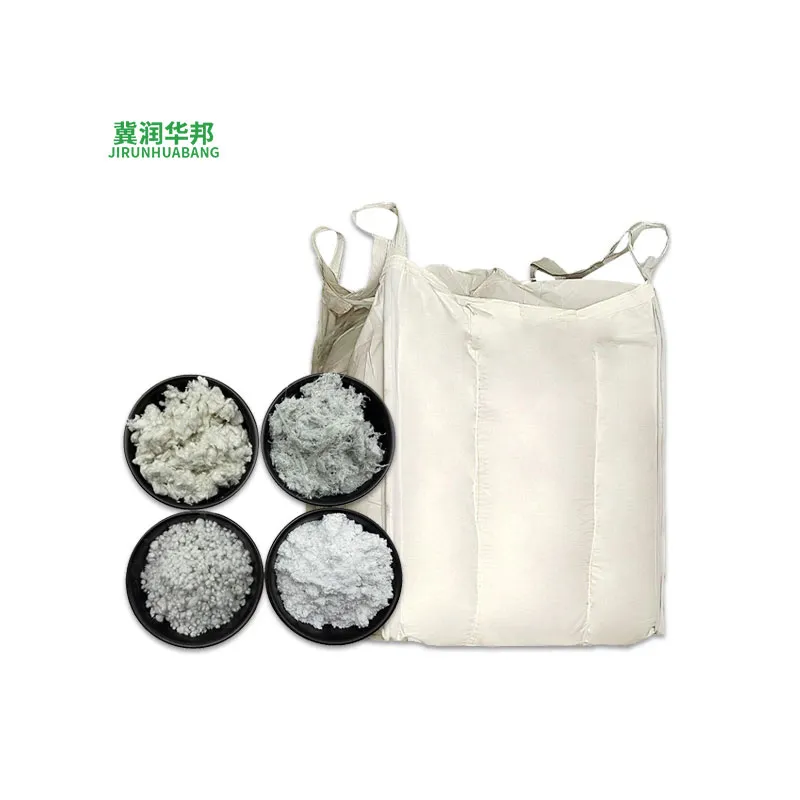
Diatomaceous earth is a naturally occurring siliceous sediment formed from the fossilized remains of diatoms, a type of hard‑shelled algae. Its primary component is amorphous silicon dioxide (SiO₂), typically ranging from 85 % to 92 % by weight, with trace amounts of aluminum oxide, iron oxide, and organic matter. The material’s unique microstructure consists of countless microscopic pores, giving it a high intrinsic porosity and low bulk density.
Technical Characteristics
Performance in industrial applications depends on measurable physical and chemical properties. Key parameters include particle size distribution, specific surface area, bulk density, loss on ignition, and pH. These characteristics determine filtration efficiency, absorbency capacity, and suitability as a catalyst support or functional filler.
| Property | Typical Range | Relevance |
|---|---|---|
| Particle size (d50) | 10 µm – 50 µm | Affects flowability, filtration cake permeability, and pressure drop. |
| Specific surface area (BET) | 60 m²/g – 85 m²/g | Correlates with adsorbent capacity for liquids and gases. |
| Bulk density (loose) | 0.20 g/cm³ – 0.40 g/cm³ | Impacts packaging volume, handling, and dosing accuracy. |
| Loss on ignition (LOI, 1000 °C) | < 5 % | Indicates organic content; low LOI ensures thermal stability. |
| pH (10 % slurry) | 7 – 8 | Near‑neutral pH minimizes corrosion in metal‑contact equipment. |
| SiO₂ content | 85 % – 92 % | Higher SiO₂ improves chemical inertness in acidic or alkaline environments. |
Typical Applications
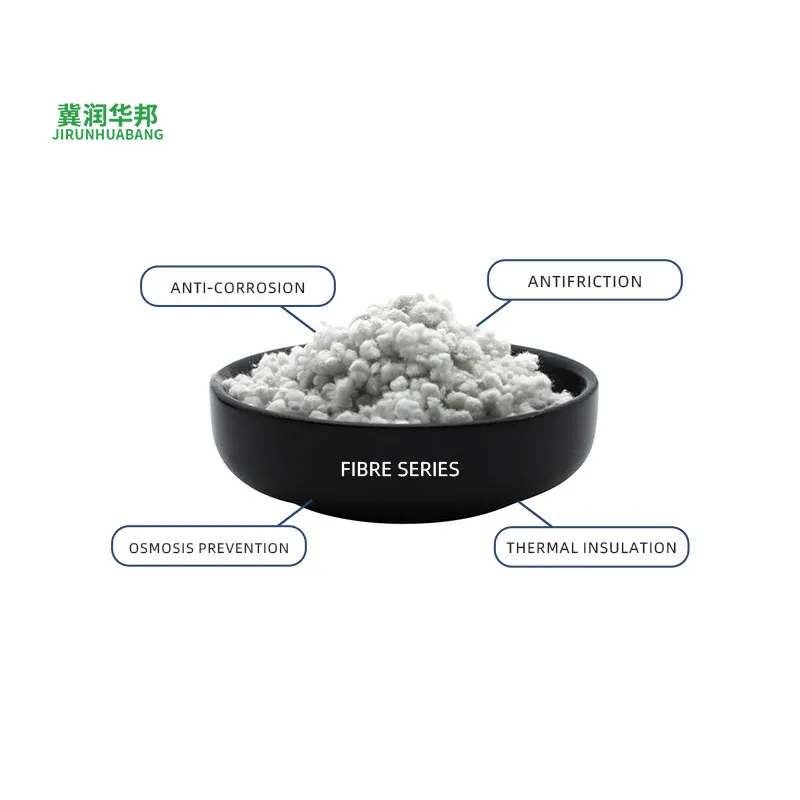
The porous architecture and chemical stability of diatomaceous earth enable its use across several process industries. Selection of a specific grade is driven by the required pore size, surface chemistry, and mechanical strength.
- Liquid filtration – clarification of beverages, pharmaceuticals, and fine chemicals where a permeable cake retains sub‑micron particles.
- Absorbent media – spill control, oil‑water separation, and moisture regulation in packaging due to high capillary uptake.
- Catalyst support – high surface area provides dispersion sites for active metals in petrochemical refining and environmental catalysis.
- Functional filler – reinforcement and rheology control in paints, coatings, and plastics where low density and abrasiveness are beneficial.
- Soil amendment – improves aeration and water retention in horticultural substrates while remaining chemically inert.
Customization Options
OEM suppliers can adjust several processing variables to align the material with specific performance targets. These adjustments are typically defined during quotation and require clear specification of end‑use conditions.
- Calcination temperature – influences pore structure and surface hydroxyl groups; typical range 600 °C – 900 °C.
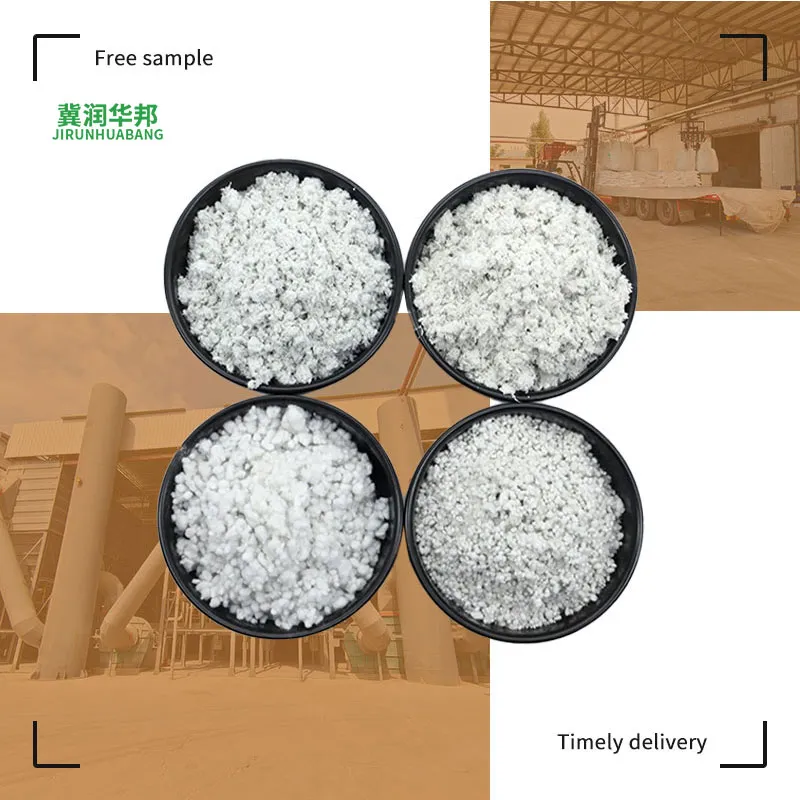
- Size classification – air‑jet or sieve grading to produce narrow cuts (e.g., 5‑15 µm, 15‑30 µm) for precise filtration ratings.
- Surface treatment – silanization or acid leaching to modify hydrophobicity or increase active site density.
- Moisture control – drying to achieve low residual water content (< 0.5 %) for hygroscopic processes.
- Blending – combination with other fillers (perlite, cellulose) to tailor mechanical strength or cost.
Quality Control & Testing
Consistent product performance relies on rigorous in‑process controls and final verification. Typical test methods include laser diffraction for particle size, BET analysis for surface area, thermogravimetric analysis for LOI, inductively coupled plasma (ICP) for elemental composition, and pH metering of aqueous suspensions. Sampling plans follow ISO 2859‑1 standards, with acceptance criteria defined per grade.
OEM Pricing Considerations
Price is influenced by grade purity, particle size specification, thermal treatment level, and order volume. Custom surface treatments or tight size distributions increase processing steps and thus unit cost. Logistics factors such as packaging (multi‑wall bags, bulk containers) and destination duties also affect the final quotation. Transparent pricing requires clear technical specifications and anticipated annual consumption.
Request a Quote
To receive an accurate OEM price, provide the desired SiO₂ purity, target particle size range, any required surface modification, and estimated annual quantity. Our engineering team will review the parameters and return a detailed quotation within two business days.