

Organic Diatomaceous Earth Powder Factory
Organic Diatomaceous Earth Powder – Factory Production
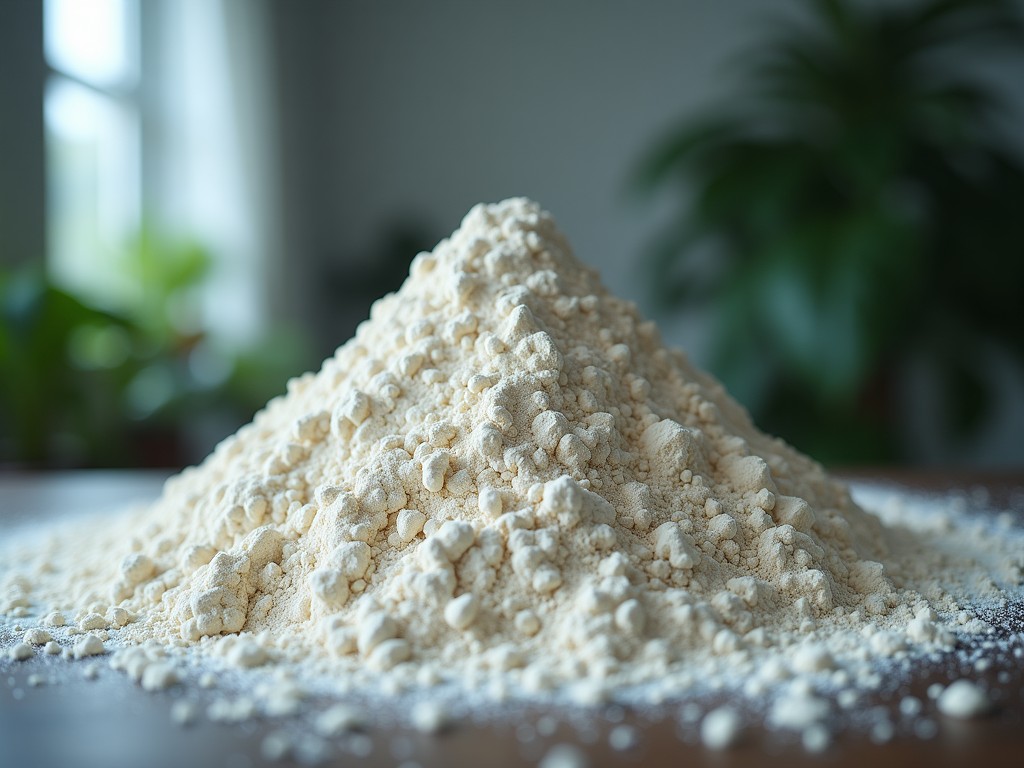
Diatomaceous earth is a naturally occurring siliceous sediment formed from the fossilized remains of diatoms, a type of hard‑shelled algae. When sourced from deposits that meet organic farming standards and processed without synthetic additives, the resulting powder qualifies as organic diatomaceous earth, providing a mineral‑based material with a high silica content and a porous microstructure.
Material Characteristics
Typical chemical analysis shows silicon dioxide (SiO₂) ranging from 80% to 94% by weight, with the remainder consisting of aluminum oxide, iron oxide, and trace minerals. Loss on ignition (LOI) after heating to 1000 °C is usually below 6%, indicating low organic residue. The bulk density of the milled powder falls between 0.30 g/cm³ and 0.45 g/cm³, while the true particle density is approximately 2.2 g/cm³.
| Property | Typical Range |
|---|---|
| SiO₂ content | 80% – 94% |
| Loss on ignition (LOI) | ≤ 6% |
| Bulk density | 0.30 – 0.45 g/cm³ |
| pH (suspension) | 7.5 – 9.0 |
Particle Size Distribution
The functional performance of diatomaceous earth in filtration, absorption, and carrier applications depends largely on its particle size. Standard milling yields a D₅₀ (median diameter) between 10 µm and 20 µm, with a D₉₀ typically under 45 µm. Finer grades can be produced to achieve D₅₀ values as low as 5 µm for specialized uses such as catalyst supports.
- Coarse grade: D₅₀ 18‑22 µm, suitable for flow‑aid and absorbent roles.
- Medium grade: D₅₀ 12‑16 µm, common in filtration media.
- Fine grade: D₅₀ 5‑9 µm, used where high surface area is required.
Production Process
Raw ore is extracted from approved open‑pit quarries that maintain organic certification buffers. After primary crushing, the material undergoes low‑temperature rotary drying (below 200 °C) to remove free moisture without altering the amorphous silica structure. Subsequent stages include air‑classification milling to achieve target size fractions, followed by magnetic separation to reduce iron contaminants. Throughout the line, no synthetic solvents, bleaches, or chemical treatments are applied, preserving the organic integrity of the final powder.
Applications
In agriculture, the powder serves as an inert carrier for bio‑pesticides and a soil amendment that improves aeration and water retention due to its high porosity. Its mechanical action damages the exoskeletons of crawling insects, providing a physical barrier method approved for organic pest management. In liquid filtration, the irregular particle shape creates a tortuous path that captures fine solids while allowing high flow rates, making it effective for beverage clarification and water pre‑treatment.
Industrial spill control leverages the absorbent capacity (up to 1.5 times its weight in oil) and the non‑reactive silica matrix to contain hydrocarbons without chemical degradation. Additionally, the material functions as a filler in paints and coatings, where its low abrasiveness and stabilizing effect on viscosity contribute to uniform film formation.
Quality Control & Testing
Each batch undergoes sieve analysis to verify conformity with the specified particle size distribution. X‑ray diffraction confirms the amorphous nature of the silica, while inductively coupled plasma (ICP) screening ensures heavy‑metal levels remain below organic‑standard thresholds (e.g., Pb < 5 ppm, Cd < 0.5 ppm). Moisture content is measured by loss on drying at 105 °C, targeting ≤ 5% for stable storage. All tests follow ISO 9001‑aligned procedures and are documented in a traceable batch record.
Customization Options
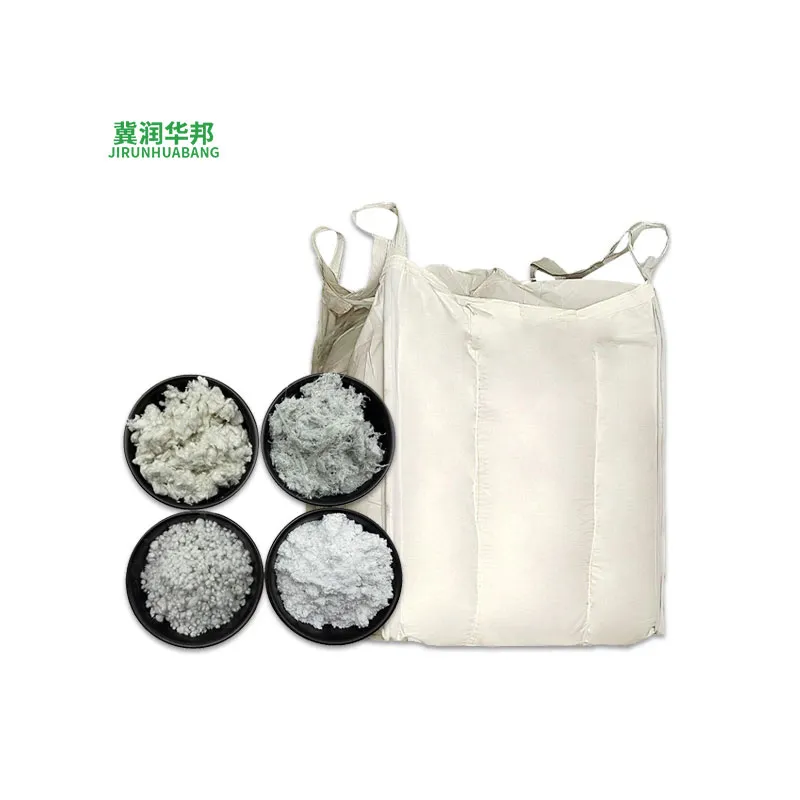
Customers may request adjustments to the median particle size, surface treatment with food‑grade silica coatings for enhanced flow, or blending with other mineral additives to tailor pH or absorptive capacity. Packaging formats can be scaled from 25 kg multi‑wall paper bags with inner polyethylene liners to 1‑tonne flexible intermediate bulk containers (FIBCs) equipped with moisture‑barrier liners.
| Parameter | Customizable Range |
|---|---|
| D₅₀ (median size) | 5 µm – 25 µm |
| Surface treatment | None, food‑grade silica coating, hydrophobic silane |
| Bag size | 5 kg, 25 kg, 50 kg, 1 t FIBC |
| Moisture barrier liner | Optional PE or foil liner |
Packaging & Logistics
Standard 25 kg bags consist of three‑ply kraft paper with an internal polyethylene liner that prevents moisture uptake during transit. For bulk shipments, FIBCs are filled under controlled humidity, sealed, and placed on pallets with corner protectors. All packaging is labeled with batch number, production date, and organic certification code to facilitate traceability.
Frequently Asked Questions
Can the particle size be adjusted for specific filtration ratings?
Yes, milling and classification steps can be tuned to meet D₅₀ targets between 5 µm and 25 µm, with corresponding adjustments to flow‑rate and retention efficiency.
What information is required before a quotation is issued?
We need the desired quantity, target particle size or range, any surface‑treatment preference, packaging type, and delivery destination to calculate freight and lead time.
Are organic certificates provided with each shipment?
Each batch includes a copy of the current organic compliance certificate and a test report confirming adherence to permitted substance limits.
Contact our technical team to discuss specifications, request a sample, or obtain a detailed quotation.