

Pure Diatomaceous Earth Exporter Factory
Pure Diatomaceous Earth – Exporter Factory Overview
Diatomaceous earth is a naturally occurring siliceous sediment formed from the fossilized frustules of aquatic diatoms. In its pure form it consists predominantly of amorphous silicon dioxide (SiO₂) with trace amounts of metal oxides. The material is valued for its high porosity, low density, and chemical inertness, which stem from the intricate skeletal architecture of the diatom fossils.
Typical chemical analysis shows SiO₂ content ranging from 94 % to 98 %, with combined Fe₂O₃ and Al₂O₃ below 0.8 %. Loss on ignition (LOI) at 1000 °C is generally under 5 %, reflecting minimal organic residues. These figures are obtained via X‑ray fluorescence (XRF) on representative batches.
Physically, the product exhibits a bulk density between 0.30 g/cm³ and 0.45 g/cm³, a specific surface area (BET) of 20–40 m²/g, and a total pore volume of 0.45–0.65 cm³/g. Particle size distribution can be tailored; a common grade shows D₅₀ around 15 µm with a span (D₉₀‑D₁₀)/D₅₀ of approximately 2.0. Whiteness (L* value) typically exceeds 80 on the CIELAB scale for the untreated, air‑milled material.
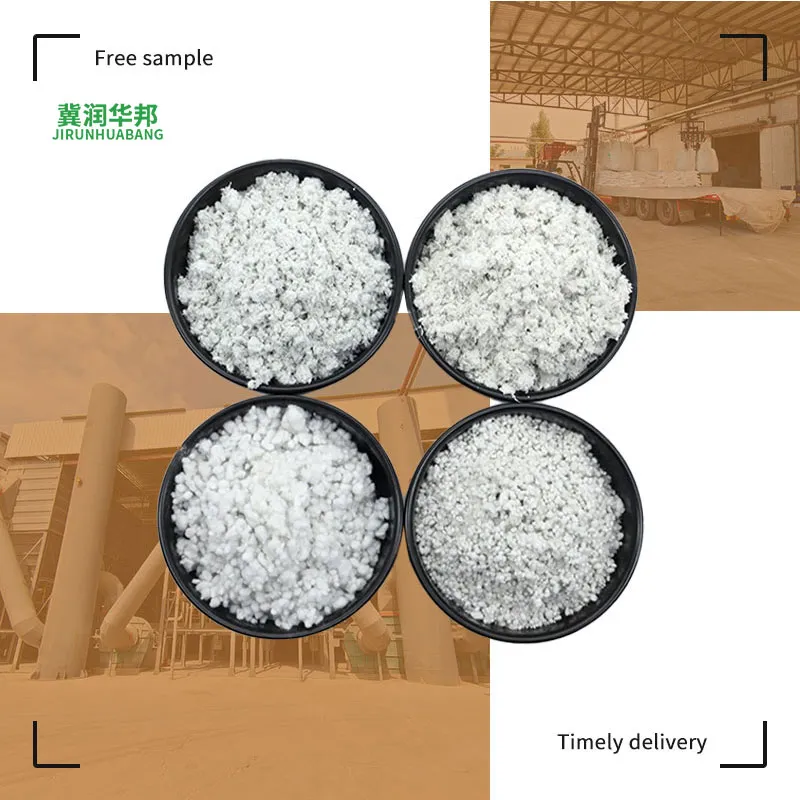
Production begins with selective quarrying of high‑purity deposits, followed by mechanical crushing to reduce lump size. The crushed ore undergoes low‑temperature drying (≤150 °C) to remove surface moisture without inducing crystalline phase change. Subsequent milling in jet or ball mills achieves the target fineness, while air classification separates fractions according to required cut points. Optional calcination at 800–1000 °C can be applied to enhance hydrophobicity or to remove residual volatiles, depending on end‑use specifications.
Quality control is integrated at each stage. Raw material is screened via XRF for elemental compliance. Milled product is assessed by laser diffraction for particle size, by BET analysis for surface area, and by gravimetric methods for moisture and LOI. Each lot receives a unique traceability code, and a certificate of analysis (CoA) accompanies every shipment.
Typical Applications
The high porosity and inert nature of pure diatomaceous earth make it effective as a filtration aid in beverage clarification, where it forms a permeable cake that traps fine particulates without imparting taste or odor. In the pharmaceutical sector, its controlled pore size enables use as a carrier for active ingredients and as an excipient in tablet formulations. Its absorbent capacity (>1.5 g liquid per g solid) supports spill control and moisture regulation in packaging. Additionally, the material serves as a functional filler in paints and coatings, improving rheology and reducing gloss, and as a catalyst support due to its stable silicate framework.
Customization Options
- Particle size grading: coarse (D₅₀ ≈ 45 µm), medium (D₅₀ ≈ 15 µm), fine (D₅₀ ≈ 5 µm)
- Surface treatment: silanization for hydrophobicity, acid activation for increased acidity
- Thermal profile: raw, calcined at 800 °C, or flux‑calcined for specific flux characteristics
- Moisture content control: <0.5 % or <2 % depending on packaging requirements
Packaging and Export Logistics
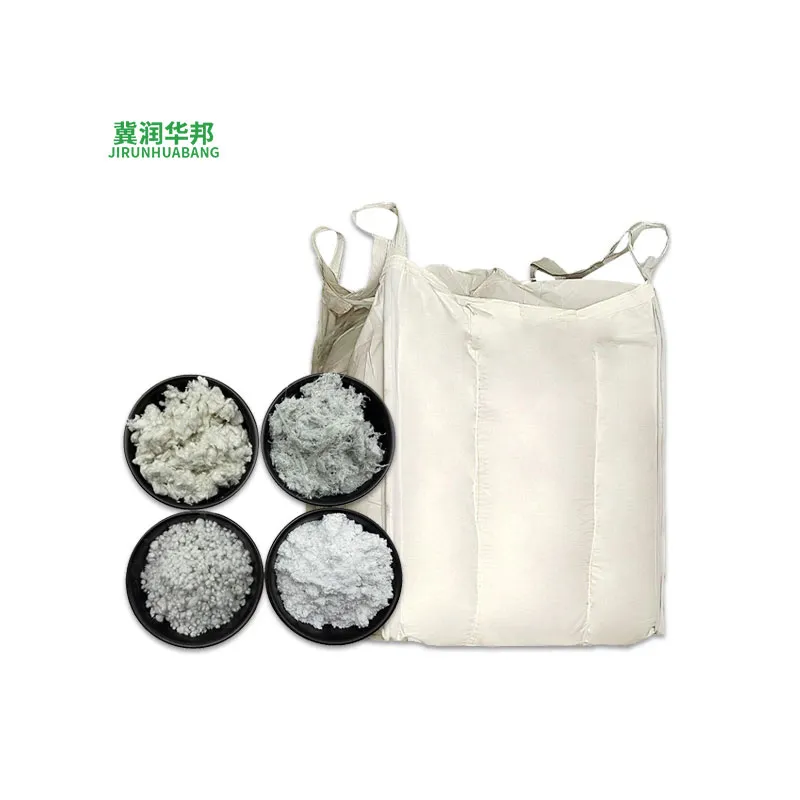
Product is packaged in multi‑wall polypropylene bags with an inner polyethylene liner to prevent moisture ingress. Standard bag weights are 25 kg, with options for 10 kg or 50 kg upon request. For bulk shipments, material is loaded into lined bulk containers or flexitanks, ensuring compliance with ISPM‑15 wood‑packaging regulations. Palletized loads are stretch‑wrapped and corner‑protected to minimize shifting during transit. All export documentation includes a material safety data sheet (MSDS) and a certificate of origin.
Frequently Asked Questions
Can dimensions be customized? Yes, particle size distribution, surface treatment, and calcination level can be adjusted to meet specific process requirements.
What information is required before quotation? Target application, desired particle size range, required purity or LOI limits, packaging preference, and estimated annual volume.
What materials are available? We supply pure diatomaceous earth (amorphous SiO₂) in raw, calcined, and surface‑modified grades.
How is quality inspected? Each lot undergoes XRF for chemistry, laser diffraction for particle size, BET for surface area, and gravimetric tests for moisture and LOI; results are documented in the CoA.
How are export shipments protected? Multi‑wall bags with inner liners, moisture‑barrier bulk containers, and ISPM‑15 compliant pallets ensure product integrity during transit.
What is the typical production lead time? Standard lead time is 3–4 weeks after receipt of a confirmed purchase order, subject to raw material availability.
To discuss specifications, request a sample, or obtain a formal quotation, please contact our technical sales team.
Request Quote