




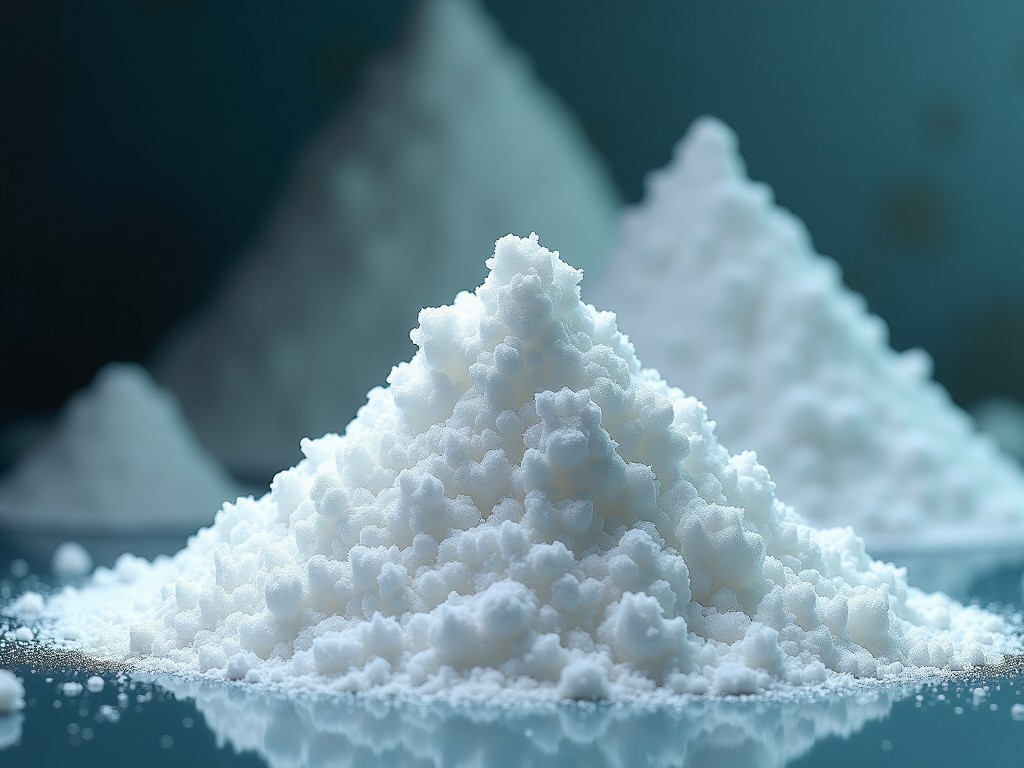
Purpose And Uses Of Pure Diatomaceous Earth
Purpose and Uses of Pure Diatomaceous Earth
Pure diatomaceous earth is a naturally occurring siliceous sediment formed from the fossilized remains of diatoms, a type of hard‑shelled algae. Its primary constituent is amorphous silicon dioxide, typically ranging from 80 % to 90 % by weight, with the remainder consisting of trace metal oxides and organic matter. The material’s value in industrial applications stems from its unique combination of high porosity, large surface area, and inert chemical nature.
Composition and Structure
The skeletal framework of each diatom frustule consists of a nanoporous silica lattice, producing a network of interconnected voids that range from micrometer‑scale channels to sub‑micron pores. Because the silica is amorphous, it lacks the crystalline structure that can pose health risks; instead, it behaves as a chemically stable, non‑reactive filler. The specific surface area typically falls between 40 m²/g and 65 m²/g, providing ample sites for adsorption or catalytic support.
Typical Physical Properties
| Property | Typical Value |
|---|---|
| Particle size (D50) | 10 µm – 30 µm (adjustable) |
| Bulk density | 0.30 g/cm³ – 0.45 g/cm³ |
| Specific surface area | 40 m²/g – 65 m²/g |
| pH (10 % slurry) | 7.5 – 9.0 |
| Moisture content (as‑received) | ≤ 5 % wt |
| Loss on ignition (1000 °C) | ≤ 2 % wt |
Industrial Applications and Functional Rationale
In liquid filtration, the rigid, porous frustules create a permeable cake that retains fine particulates while allowing high flow rates; the inert silica prevents leaching, making the medium suitable for food‑grade, pharmaceutical, and potable‑water processes.
As an absorbent, the high internal surface area and low bulk density enable rapid uptake of oils, solvents, and spilled chemicals; the material’s abrasiveness is low enough to avoid damage to equipment surfaces during cleanup.
When used as a functional filler in polymers, paints, or adhesives, the diatomaceous earth contributes to viscosity control, sag resistance, and improved barrier properties without significantly increasing weight, due to its low density.
In agricultural carrier formulations, the silica particles act as a inert matrix for pesticide or nutrient granules, providing uniform distribution and reducing caking during storage.
The material also finds use as a mild abrasive in polishing compounds, where the controlled hardness of amorphous silica delivers a consistent finish without excessive substrate wear.
Handling, Storage, and Safety Considerations
Although the silica is amorphous, airborne dust can irritate respiratory passages; therefore, handling should employ local exhaust ventilation or wet‑methods, and personnel should wear NIOSH‑approved N95 respirators when dust generation is possible.
The product is hygroscopic to a limited extent; storing in sealed, moisture‑barrier bags or containers at relative humidity below 60 % prevents clumping and maintains flowability.
No special temperature controls are required for storage, but prolonged exposure to temperatures above 250 °C may induce partial crystallization, which should be avoided for applications demanding amorphous silica.
Quality Control and Testing
Typical quality assurance includes laser diffraction particle‑size distribution to verify the D50 and span, loss‑on‑ignition testing to confirm low organic content, and pH measurement of a 10 % aqueous slurry to detect alkaline contaminants.
Batch‑to‑batch consistency is monitored through X‑ray diffraction to ensure the amorphous phase remains dominant, and specific surface area is assessed via BET nitrogen adsorption when required by the end‑use specification.
Customization Options
- Particle size grading – coarse, medium, or fine powders tailored to filtration or filler requirements.
- Surface treatment – silanization or hydrophobic coating for improved compatibility in polymer matrices.
- Calcination level – low‑temperature (≤ 600 °C) for enhanced purity or higher temperature (≥ 800 °C) for increased abrasiveness.
- Packaging – multi‑wall paper bags with inner polyethylene liner, bulk FIBCs, or customized valve‑sized containers.
Frequently Asked Questions
Can the particle size be adjusted for specific filtration ratings? Yes, the material can be milled and classified to meet D50 ranges from 5 µm to 50 µm, allowing alignment with various filter media specifications.
Is the product suitable for direct food contact? When supplied as food‑grade, amorphous diatomaceous earth complies with FDA 21 CFR 182.20 and EU Reg 10/2011, provided it is free of crystalline silica and contaminants.
What information is needed for a quotation? Required details include desired particle size range, quantity, any surface treatment or calcination preference, packaging type, and destination for freight calculation.
Contact for Technical Inquiry
For further information on grades, testing data, or to discuss a custom specification, please reach out to our technical team via the inquiry form.
Request Technical Details