

The Benefits Of Diatomaceous Earth For Humans
Benefits of Diatomaceous Earth for Humans
What is Diatomaceous Earth?
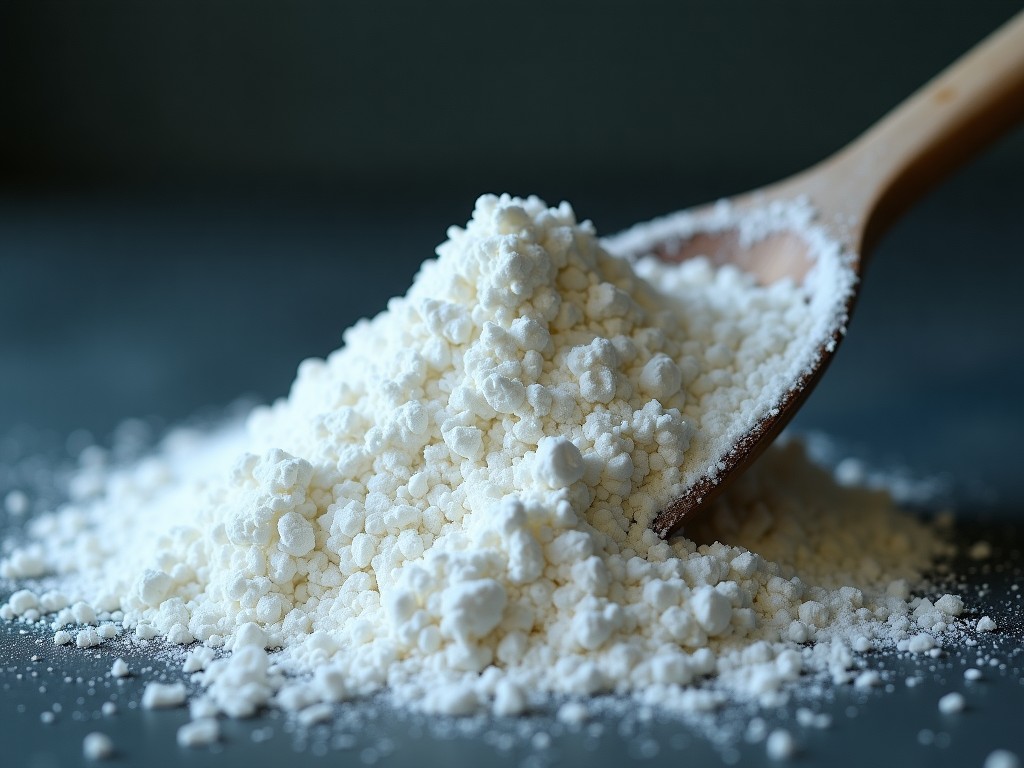
Diatomaceous earth (DE) is a naturally occurring siliceous sediment formed from the fossilized remains of diatoms, a type of hard‑shelled algae. The material consists predominantly of amorphous silicon dioxide (SiO₂) with trace amounts of metal oxides such as aluminum, iron, and calcium. Its unique microstructure originates from the intricate porous frustules of the diatoms, which give DE a high internal surface area and low bulk density.
Chemical and Physical Characteristics
Typical food‑grade DE contains 80–90 % SiO₂ by weight, with loss on ignition (LOI) below 6 % indicating minimal organic content. The particle size distribution is generally in the range of 5–100 µm, with a median diameter (D50) around 15–20 µm when milled for human consumption. Its porous structure yields a specific surface area of approximately 20–30 m²/g and a bulk density of 0.3–0.5 g/cm³, contributing to its absorptive and filtration capabilities.
The material is chemically inert under normal physiological pH conditions, does not dissolve in water, and exhibits mild abrasive properties due to the sharp edges of the fossilized shells.
Food‑Grade Diatomaceous Earth Specifications
| Parameter | Typical Value (Food Grade) | Test Method |
|---|---|---|
| Silicon Dioxide (SiO₂) | 80–90 % | X‑ray Fluorescence (XRF) |
| Loss on Ignition (LOI) | ≤ 6 % | Gravimetric at 1000 °C |
| Median Particle Size (D50) | 15–20 µm | Laser Diffraction |
| Bulk Density | 0.30–0.50 g/cm³ | ASTM C29 |
| pH (10 % slurry) | 7–9 | Electrode Method |
| Heavy Metals (Pb, As, Cd, Hg) | < 10 ppm each | ICP‑MS |
Reported Benefits for Human Health
When consumed as a food‑grade supplement, diatomaceous earth provides a source of bioavailable silicon, an element implicated in the synthesis of collagen and glycosaminoglycans. Adequate silicon intake may support connective tissue integrity, including skin, hair, nails, and bone matrix.
The high porosity and adsorptive surface of DE enable it to bind certain gastrointestinal toxins and heavy metals in vitro, which has led to its use as a digestive tract cleansing agent. Clinical evidence remains limited, and any detoxification effect should be considered supportive rather than curative.
Some observational studies suggest a correlation between dietary silica intake and improved bone mineral density, though causality has not been established. As with any mineral supplement, individual requirements vary and intake should remain within established tolerable upper intake levels (UL) for silicon, which are not firmly defined but are generally considered safe at levels below 2 g/day from all sources.
Applications in Human Consumption
Food‑grade diatomaceous earth is utilized as an anti‑caking agent in powdered supplements, a carrier for active ingredients in nutraceutical formulations, and a filtration aid in the production of beverages such as beer and juice. Its mild abrasive nature also finds use in toothpaste formulations where controlled polishing is desired.
In dietary supplement capsules or powders, typical serving sizes range from 0.5 g to 2 g per day, providing approximately 400–1600 mg of silicon. Manufacturers often blend DE with other silica sources to achieve targeted particle size distribution and flow properties.
Safety, Handling, and Storage
The primary hazard associated with diatomaceous earth is respiratory irritation from inhaling fine dust. Therefore, handling should occur in well‑ventilated areas or with appropriate dust control measures such as local exhaust ventilation and personal protective equipment (NIOSH‑approved N95 respirators).
Food‑grade DE must be free of crystalline silica, which is associated with silicosis. Suppliers provide certificates of analysis confirming that the crystalline silica fraction is below 0.1 %. Storage in sealed, moisture‑resistant containers prevents clumping and maintains product stability.
Quality Assurance and Testing
Reputable manufacturers implement a multi‑stage quality control program that includes raw material verification, in‑process particle size monitoring, and final product testing for heavy metals, microbial limits, and silica polymorphs. Batch‑specific certificates of analysis are typically available upon request.
Additional testing may involve solubility assays in simulated gastric fluid to confirm inertness, and abrasiveness measurements using standardized toothpaste abrasivity (RDA) scales to ensure suitability for oral care applications.
Comparison with Alternative Silica Sources
| Property | Diatomaceous Earth (Food Grade) | Colloidal Silica | Silica Gel |
|---|---|---|---|
| SiO₂ Content | 80–90 % | ≈ 30 % (as SiO₂ in suspension) | ≈ 98 % |
| Particle Size Range | 5–100 µm | 5–100 nm | 2–10 mm (granules) |
| Bulk Density | 0.30–0.50 g/cm³ | 1.0–1.2 g/cm³ (slurry) | 0.6–0.7 g/cm³ |
| Surface Area | 20–30 m²/g | 200–400 m²/g | 600–800 m²/g |
| Typical Use in Human Products | Anti‑caking, supplement carrier, mild abrasive | Stabilizer, thickening agent, drug delivery | Desiccant, chromatography, toothpaste abrasive |
Frequently Asked Questions
What distinguishes food‑grade from industrial grade diatomaceous earth?
Food‑grade DE undergoes additional purification to reduce crystalline silica and heavy metal content, meeting specifications set by the Food Chemicals Codex (FCC) or equivalent food safety standards. Industrial grade may contain higher levels of contaminants and is not intended for ingestion.
Can the particle size be customized for specific supplement formats?
Yes. Milling and classification processes can adjust the D50 to meet flow requirements for capsule filling or to achieve desired abrasiveness in dental applications. Custom specifications are available upon request.
What information is required before obtaining a quotation?
Suppliers typically need the intended application, target purity level, required particle size distribution, packaging format, and estimated annual volume to provide an accurate quote and lead time.
How is product quality verified for each batch?
Quality verification includes XRF for SiO₂ content, laser diffraction for particle size, ICP‑MS for heavy metals, and microbial testing (total plate count, yeast/mold, pathogens) according to USP <61> and <62> guidelines.
What packaging options are available for bulk orders?
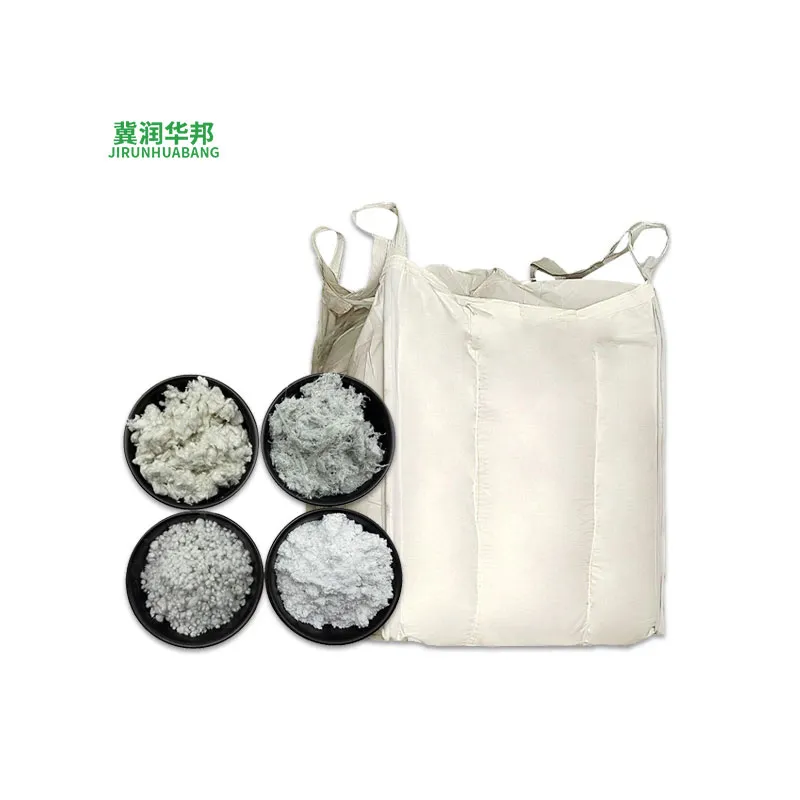
Common packaging includes multi‑wall paper bags with polyethylene liner (25 kg), fiber drums with inner bags (25 kg), and flexible intermediate bulk containers (FIBCs) for larger volumes. Custom labeling and pallet configurations can be arranged.
Contact for Technical Inquiry
For detailed specifications, sample requests, or to discuss formulation support, please reach out to our technical team. We provide comprehensive documentation and can assist with regulatory compliance questions related to food‑grade diatomaceous earth.