

The Diatomaceous Earth Is Used As
Diatomaceous Earth: Overview and Uses
Diatomaceous earth is a naturally occurring sedimentary rock composed of fossilized silica shells of diatoms. Its microstructure consists of a network of interconnected pores that gives the material high porosity and low bulk density.
The material is typically off‑white to light gray, with a specific gravity ranging from 2.0 to 2.3 depending on the source and processing method.
Composition and Structure
Silica (SiO₂) makes up 80‑90 % of the dry weight, while trace amounts of aluminum oxide, iron oxide, and organic matter account for the remainder. The frustules retain their original cylindrical shape, creating a rigid skeletal framework.
Pore diameters vary from 0.1 µm to several microns, and the specific surface area typically falls between 10 and 30 m²/g, which influences adsorption capacity.
Typical Physical Properties
| Property | Typical Range | Test Method |
|---|---|---|
| Bulk density (loose) | 0.20‑0.35 g/cm³ | ASTM C29 |
| Particle size (D50) | 10‑30 µm | Laser diffraction |
| Loss on ignition (LOI) | ≤ 2 % (wt) | ASTM D2216 |
| pH (suspension) | 7‑9 | ASTM D1293 |
| Moisture content (as‑received) | ≤ 5 % (wt) | Thermogravimetric analysis |
Filtration Applications
In liquid filtration, diatomaceous earth forms a permeable cake that traps particles down to 1 µm while allowing high flow rates. The filter aid is added as a pre‑coat or body feed, depending on the slurry characteristics.
Typical usage rates range from 0.1 % to 0.5 % of the filtrate weight. The spent cake can be disposed of as non‑hazardous solid waste after dewatering.
Absorbent Applications
Because of its porosity exceeding 80 % and surface area, the material absorbs liquids such as oils, solvents, and water. Absorption capacity is often expressed as grams of liquid per gram of adsorbent, with typical values between 1.5 and 2.5 g/g for hydrocarbons.
Industrial spill kits and oil‑recovery pads frequently incorporate diatomaceous earth granules sized 0.5‑2 mm to optimize handling and uptake speed.
Filler and Extender Uses
When incorporated into paints, coatings, and plastics, diatomaceous earth acts as a reinforcing filler that modifies rheology and reduces shrinkage. The low density contributes to lightweight formulations without compromising mechanical strength.
Loading levels of 5‑20 % by weight are common, with particle size controlled to avoid abrasion of processing equipment.
Customization Options
Particle size distribution can be adjusted through milling and classification to meet specific filtration or abrasion requirements. Surface treatment with silanes or hydrophobic agents is available to modify wettability.
Granule shape, bulk density, and moisture content are also tailored per customer specification, with tolerances typically ± 0.02 g/cm³ for density and ± 5 % for moisture.
Quality Control
Each lot undergoes sieve analysis, laser diffraction, and chemical assay to verify compliance with the agreed specification. Results are recorded in a batch traceability system.
Visual inspection checks for foreign matter, color consistency, and clumping. Samples are retained for a minimum of twelve months for potential retesting.
Frequently Asked Questions
- Can dimensions be customized? Yes, particle size, granule shape, and bulk density can be adjusted according to process requirements.
- What information is required before quotation? Required details include intended application, target particle size range, desired surface treatment, and estimated annual volume.
- What materials are available? Standard grades are silica‑based diatomaceous earth with optional calcination or flux‑calcination treatments.
- How is quality inspected? Each batch is tested for size distribution, loss on ignition, pH, and moisture content using standardized methods.
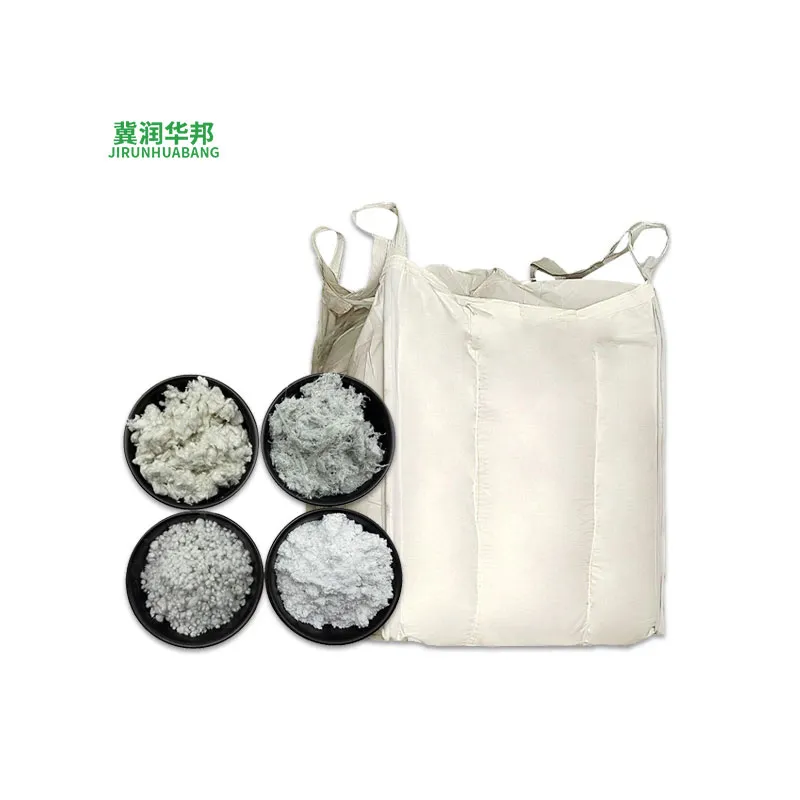
- What packaging methods are available? The product is supplied in multi‑wall paper bags (25 kg), bulk bags (500 kg), or pneumatic tanker trucks for large volumes.
- How are export shipments protected? Shipments are sealed with moisture‑barrier liners and palletized according to ISPM‑15 standards.
- What is the typical production lead time? Lead times range from 2 to 4 weeks depending on grade and order size.
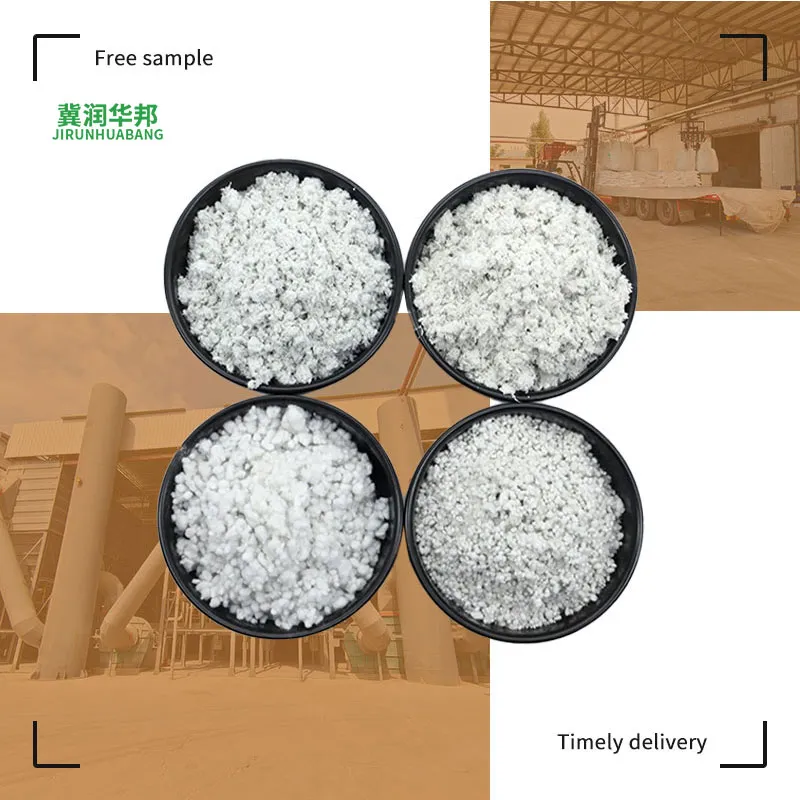
- How are samples arranged? Sample quantities up to 1 kg can be dispatched upon receipt of a formal request.
Request Technical Data
For detailed data sheets, safety information, or to discuss a specific application, please contact our technical team.
Contact Us