


B2B Kaolin Clay Face Mask Benefits
B2B Kaolin Clay for Face Mask Formulation
Kaolin clay, also known as china clay, is a naturally occurring hydrous aluminum silicate mineral derived from the weathering of feldspar-rich rocks. In industrial supply, it is processed to achieve controlled particle size distribution, low impurity levels, and consistent whiteness, making it suitable as a functional ingredient in personal‑care formulations such as face masks.
Key Technical Properties
The performance of kaolin in a mask formulation depends on measurable attributes such as median particle size (D50), specific surface area, pH, loss on ignition, and bulk density. These parameters influence rheology, adsorption capacity, and skin feel.
- Median particle size (D50): typically 1.5–4.5 µm for cosmetic grades.
- Specific surface area (BET): generally 5–15 m²/g, reflecting the surface available for adsorption of oils and impurities.
- pH of a 10 % slurry: usually between 4.5 and 6.0, compatible with skin‑friendly formulations.
- Loss on ignition (LOI) at 1000 °C: commonly 12–14 %, indicating the bound water content.
- Bulk density (loose): ranging from 0.45 to 0.65 g/cm³, affecting powder flow and packaging volume.
Values are presented as typical ranges; actual specifications can be adjusted according to project requirements.
Functional Benefits in Face Mask Applications
When incorporated into a face mask, kaolin provides several mechanistically understandable advantages:
- Adsorption of sebum, pollutants, and particulate matter due to its hydrophilic silicate surface and moderate cation exchange capacity.
- Viscosity modification: the plate‑like particles create a shear‑thinning network that stabilizes emulsions and prevents settling of active ingredients.
- Opacity and whiteness: high reflectance (L* > 90) contributes to a visually appealing mask base without requiring additional pigments.
- Skin feel: the smooth, platy morphology yields a non‑abrasive texture that spreads evenly and dries to a flexible film.
These benefits stem directly from the mineral’s crystal structure and surface chemistry, allowing formulators to predict performance based on the listed technical parameters.
Typical Specification Table
| Property | Typical Range | Test Method (reference) |
|---|---|---|
| Median particle size (D50) | 1.5 – 4.5 µm | Laser diffraction (ISO 13320) |
| Specific surface area (BET) | 5 – 15 m²/g | BET nitrogen adsorption |
| pH (10 % slurry) | 4.5 – 6.0 | Electrometric (ISO 787-9) |
| Loss on ignition (1000 °C) | 12 – 14 % | Thermogravimetric (ASTM D1208) |
| Bulk density (loose) | 0.45 – 0.65 g/cm³ | ASTM D1895 |
Applications in Different Face Mask Types
Kaolin’s functional profile makes it compatible with several mask architectures:
- Rinse‑off clay masks: the adsorbed oils and impurities are removed with water, leaving a clean surface; kaolin’s low abrasivity prevents irritation during removal.
- Peel‑off masks: when combined with film‑forming polymers (e.g., PVA, alginate), kaolin reinforces the gel matrix, improving tensile strength and reducing cracking upon drying.
- Sheet mask impregnates: kaolin can be dispersed in the essence to provide a matte finish and to stabilize volatile actives against oxidation.
- Overnight leave‑on treatments: the moderate cation exchange capacity allows gradual release of trapped impurities, extending efficacy over several hours.
Each application leverages a specific combination of particle size, surface area, and rheological behavior, which can be tuned during milling or surface treatment.
Quality Control and Testing Philosophy
Industrial buyers require confidence that each lot meets the agreed specification. A typical QC protocol includes:
- Particle size distribution measured by laser diffraction on every batch; D10, D50, D90 recorded.
- Surface area assessed via BET analysis on a quarterly basis or when feedstock changes.
- Chemical purity verified by ICP‑MS for heavy metals (Pb, As, Cd, Hg) with limits ≤ 10 ppm each.
- Whiteness (L*) measured with a spectrophotometer; target L* ≥ 92 for cosmetic grade.
- Moisture content determined by loss on drying at 105 °C; typical ≤ 1.5 %.
Test certificates are supplied with each shipment, and batch traceability is maintained for a minimum of two years.
Customization Options
Depending on the target mask formulation, the following adjustments are commonly offered:
- Milling to a finer D50 (down to 0.8 µm) for increased transparency in gel‑based masks.
- Surface silanization or quaternary ammonium treatment to modify polarity and improve compatibility with silicone‑based phases.
- Blending with complementary clays (e.g., bentonite, montmorillonite) to tailor adsorption profiles.
- Adjustment of moisture content via controlled drying to improve powder flow in high‑speed filling lines.
Customization requests should be accompanied by the desired specification sheet; lead times vary with the complexity of the treatment.
Supply, Packaging, and Lead Time
The product is shipped in moisture‑ barrier packaging to preserve its physicochemical properties.
- Multi‑wall paper bags with inner polyethylene liner, net weight 25 kg.
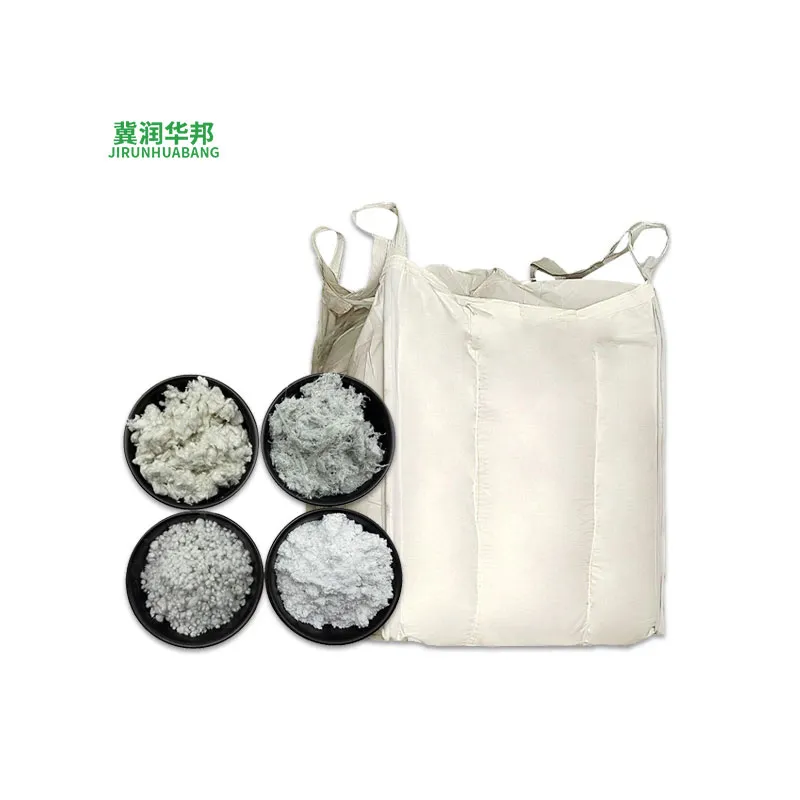
- Flexible intermediate bulk containers (FIBCs) of 500 kg or 1000 kg, equipped with spout and dust‑proof liner.
- Optional palletizing and stretch‑wrapping for containerized transport.
Standard lead time is 4–6 weeks after receipt of a confirmed purchase order, subject to raw‑material availability and customization scope.
Frequently Asked Questions
Can the particle size be customized to a specific D50 value?
Yes, jet‑milling or air‑classification can achieve target D50 values within the 0.5–5 µm range; feasibility depends on the starting material and required throughput.
What documentation is provided with each shipment?
Each lot includes a Certificate of Analysis (CoA) covering particle size, BET surface area, pH, LOI, heavy‑metal content, whiteness, and moisture, plus a Safety Data Sheet (SDS).
Is there a minimum order quantity (MOQ)?
Typical MOQ is 1 ton for bagged product; smaller trial quantities (e.g., 25 kg) can be arranged upon request for feasibility testing.
How is product stability ensured during storage?
The clay is packaged in moisture‑barrier liners and stored away from direct sunlight; under these conditions, the specified properties remain stable for at least 24 months.
Contact for Technical Inquiry
To obtain a detailed technical data sheet, request a sample, or discuss formulation‑specific adjustments, please reach out to our technical sales team.
Request Information