

B2B White China Clay Powder
B2B White China Clay Powder
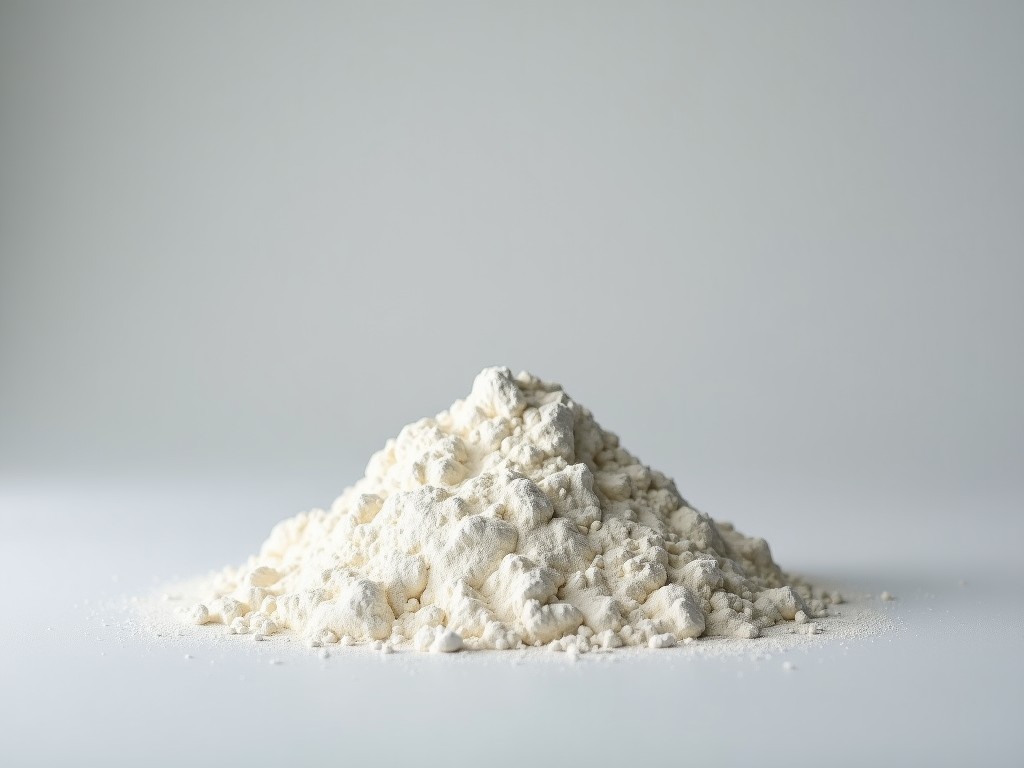
White china clay, also known as kaolin, is a naturally occurring aluminum silicate mineral valued for its fine particle size, low impurity levels, and high brightness. In bulk form it serves as a functional filler, coating pigment, and rheology modifier across sectors such as ceramics, paints, adhesives, and rubber compounds.
Chemical Composition
The primary crystalline phase is kaolinite with the ideal formula Al₂Si₂O₅(OH)₄. Typical loss on ignition (LOI) ranges from 12% to 14%, reflecting structurally bound water. Minor constituents such as quartz, feldspar, and titanium dioxide usually remain below 0.5% each, while trace iron oxides contribute to the observed brightness.
Key Physical Properties
| Property | Typical Value | Unit | Test Method |
|---|---|---|---|
| Particle Size (d50) | 2.0 – 2.5 | µm | Laser Diffraction |
| Brightness (ISO‑2470) | 85 – 90 | % | ISO 2470 |
| pH (10% slurry) | 4.5 – 5.5 | – | ISO 787-9 |
| Residue on 45 µm sieve | ≤0.05 | % | ISO 787-16 |
Typical Industrial Applications
- In ceramic bodies it contributes to green strength and reduces firing shrinkage due to its low flux content.
- As a coating pigment in paper and board it provides high gloss and ink hold‑out while maintaining low abrasiveness.
- In polymer formulations it acts as a reinforcing filler that improves tensile strength and dimensional stability without significantly increasing viscosity.
- For adhesives and sealants it modifies rheology, imparting thixotropic behavior that enhances sag resistance and open time.
Processing Considerations
Moisture content should be kept below 0.5% to avoid agglomeration during pneumatic conveying. Particle size distribution influences slurry viscosity; a d50 around 2 µm yields optimal flow in high‑solid loading systems. Prior to use, a brief de‑airing step under vacuum (≈‑0.8 bar for 5 min) helps eliminate entrapped air that could cause defects in castings or coatings.
Quality Control & Testing
Each batch undergoes routine analysis for loss on ignition, brightness, pH, and sieve residue. Additional tests such as XRD for phase identification and ICP‑OES for trace metals are performed on a periodic basis to confirm consistency with specifications. Results are documented in a certificate of analysis that accompanies every shipment.
Packaging & Storage
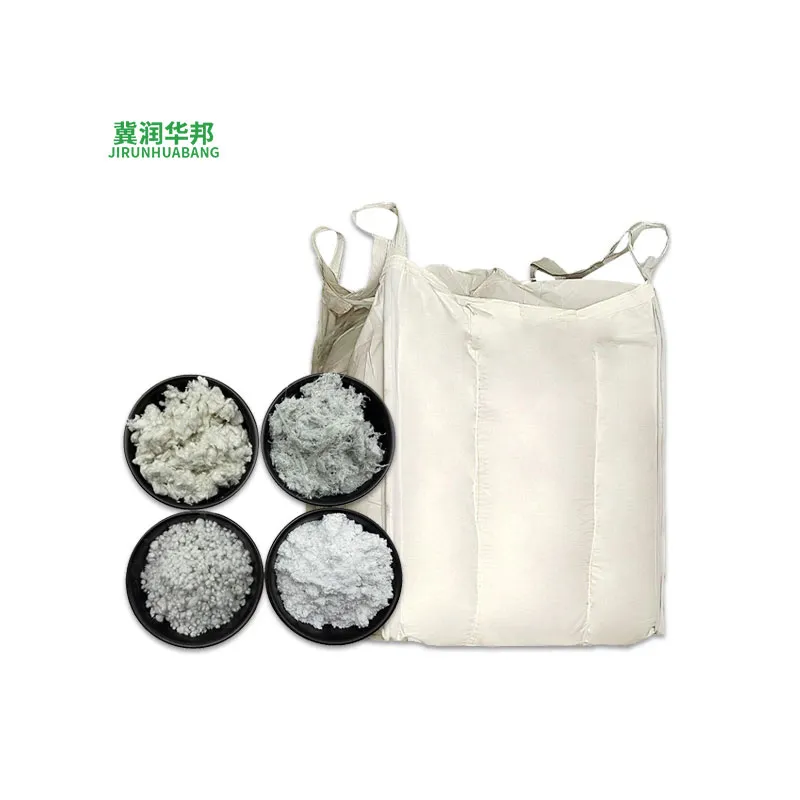
Standard packaging includes 25 kg multi‑wall paper bags with an inner polyethylene liner, providing moisture barrier and tear resistance. For bulk handling, 1 t flexible intermediate bulk containers (FIBCs) with spout tops are available. Store in a dry, covered area away from direct sunlight; temperature fluctuations should remain within 5 °C to 30 °C to preserve flowability.
Inquiry & Technical Support
To obtain a sample, request a detailed technical data sheet, or discuss specific grading requirements, please contact our technical team. We can assist with particle size customization, surface treatment options, and logistics planning for both domestic and export shipments.