

Benefits Of Kaolin Clay Mask On Skin
Kaolin Clay for Cosmetic Mask Formulations
Kaolin, chemically Al₂Si₂O₅(OH)₄, is a naturally occurring phyllosilicate mineral characterized by fine platy particles. Its particle size distribution typically ranges from 0.5 µm to 2 µm, providing a high aspect ratio that influences both rheology and interaction with skin surfaces.
The specific surface area of commercial kaolin grades falls between 10 m²/g and 20 m²/g, which determines the capacity for adsorbing liquids and dissolved substances. Cation exchange capacity (CEC) generally measures 3 meq/100 g to 5 meq/100 g, reflecting the material’s ability to bind positively charged ions such as sebum components.
pH values of processed kaolin suspensions are commonly between 4.5 and 5.5, closely matching the acidic mantle of healthy skin. This compatibility minimizes irritation risk while supporting the skin’s natural barrier function.
Mechanisms of Skin Interaction
When dispersed in aqueous phases, kaolin particles form a stable suspension that can physically entrap excess sebum and particulate impurities. The platy morphology creates a micro‑textured film upon drying, offering a mild mechanical exfoliation that removes corneocytes without damaging viable epidermis.
Adsorption of hydrophilic toxins and metal ions occurs via surface hydroxyl groups and edge sites on the mineral lattice. The relatively low CEC ensures that adsorption is selective, preserving essential skin lipids while reducing irritant load.
Thermal studies show that kaolin retains structural integrity up to 550 °C, indicating no phase change during typical mask drying processes (ambient to 40 °C). This stability guarantees consistent performance across batch cycles.
Performance Characteristics
| Property | Typical Value | Test Method |
|---|---|---|
| Median Particle Size (D50) | 1.2 µm | Laser Diffraction |
| Specific Surface Area | 15 m²/g | BET N₂ Adsorption |
| Cation Exchange Capacity | 4 meq/100 g | Ammonium Acetate Method |
| pH (10 % slurry) | 5.0 | Electrode Measurement |
| Loss on Ignition (900 °C) | 12 % | Thermogravimetric Analysis |
Formulation Considerations
Incorporation levels of kaolin in rinse‑off masks typically range from 5 % to 20 % w/w, depending on desired viscosity and oil‑absorption target. Higher loadings increase yield stress, improving spreadability while maintaining a non‑drip consistency.
Compatibility testing shows no adverse reactions with common emulsifiers (e.g., polysorbate‑80, cetearyl alcohol) or thickeners (xanthan gum, carbopol). Kaolin’s surface charge is mildly negative at pH 5, allowing stable coexistence with cationic conditioning agents when used at ≤ 2 % concentration.
Shelf‑life studies indicate that kaolin does not catalyze oxidation of unsaturated oils or fragrance components, preserving product integrity for periods exceeding 24 months under standard storage (25 °C/60 % RH).
Quality Assurance and Testing
Each lot undergoes laser diffraction for particle size distribution, BET analysis for surface area, and titration for CEC. Moisture content is measured by loss on drying at 105 °C, with specifications typically ≤ 1.5 % to ensure consistent rheology.
Microbiological limits follow ISO 11737‑1, with total aerobic microbial count not exceeding 10² CFU/g and absence of prescribed pathogens. Heavy‑metal screening conforms to COSMOS standards, confirming lead, arsenic, cadmium, and mercury levels below 10 ppm.
Batch‑to‑batch variability is controlled through statistical process control (SPC) charts, targeting a Cp ≥ 1.33 for critical attributes such as D50 and pH.
Applications in Mask Products
- Oil‑control masks for sebaceous skin, leveraging high sebum adsorption capacity.
- Detoxifying formulations targeting environmental pollutants and metal ions.
- Exfoliating masks where mild mechanical action improves skin smoothness without barrier disruption.
- Soothing blends for post‑procedure care, utilizing pH‑compatible, low‑irritancy mineral base.
Customization Options
- Calcined kaolin for increased whiteness and reduced surface hydroxyls.
- Surface‑treated grades with silane or silicone modifiers to adjust hydrophobicity.
- Fractionated powders tailored to specific D10, D50, D90 cut‑offs.
- Blend options with other clays (e.g., bentonite, illite) to modulate rheology and absorption profiles.
Frequently Asked Questions
Can particle size be adjusted for specific mask textures? Yes, jet‑milling or air‑classification can produce narrower distributions, enabling control over slip and drying time.
What information is required for a quotation? Required details include target usage rate, desired pH range, any needed surface treatment, and order volume.
How is product consistency verified? Each shipment includes a certificate of analysis reporting D50, specific surface area, CEC, moisture, pH, and microbiological results.
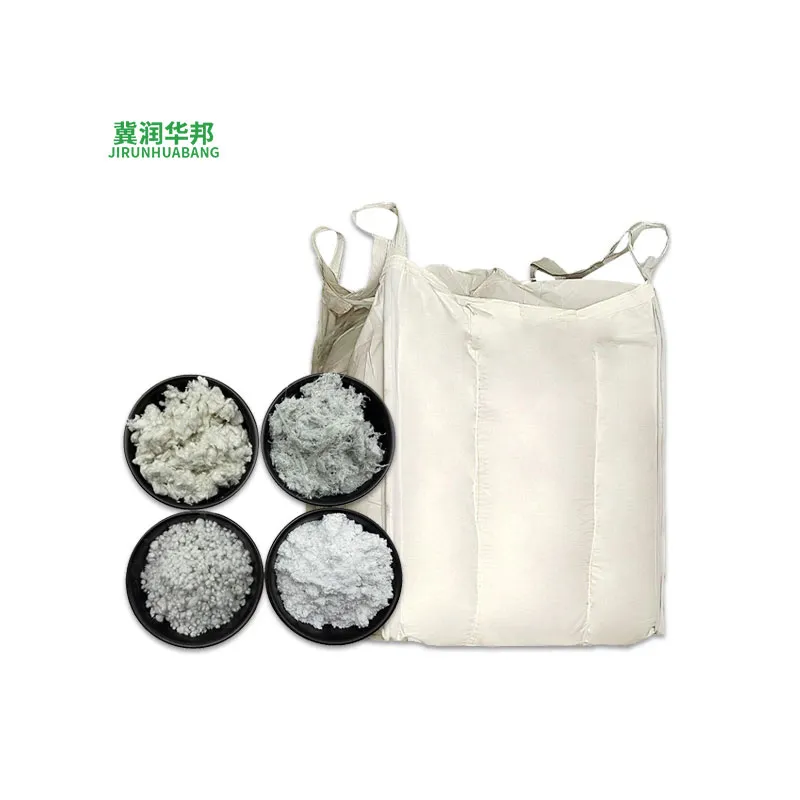
What packaging options are available? Standard packaging consists of 25 kg multi‑wall paper bags with polyethylene inner liner; bulk options include 500 kg flexible intermediate bulk containers (FIBCs) upon request.
What is the typical lead time? Standard lead time is 3–4 weeks for stocked grades; custom treatments may extend to 6–8 weeks.
Contact for Technical Inquiry
For further details on grade selection, formulation support, or sample requests, please reach out to our technical team via the contact form.
Submit Inquiry