




Cheap Cost Of Kaolin Clay
Cheap Cost of Kaolin Clay
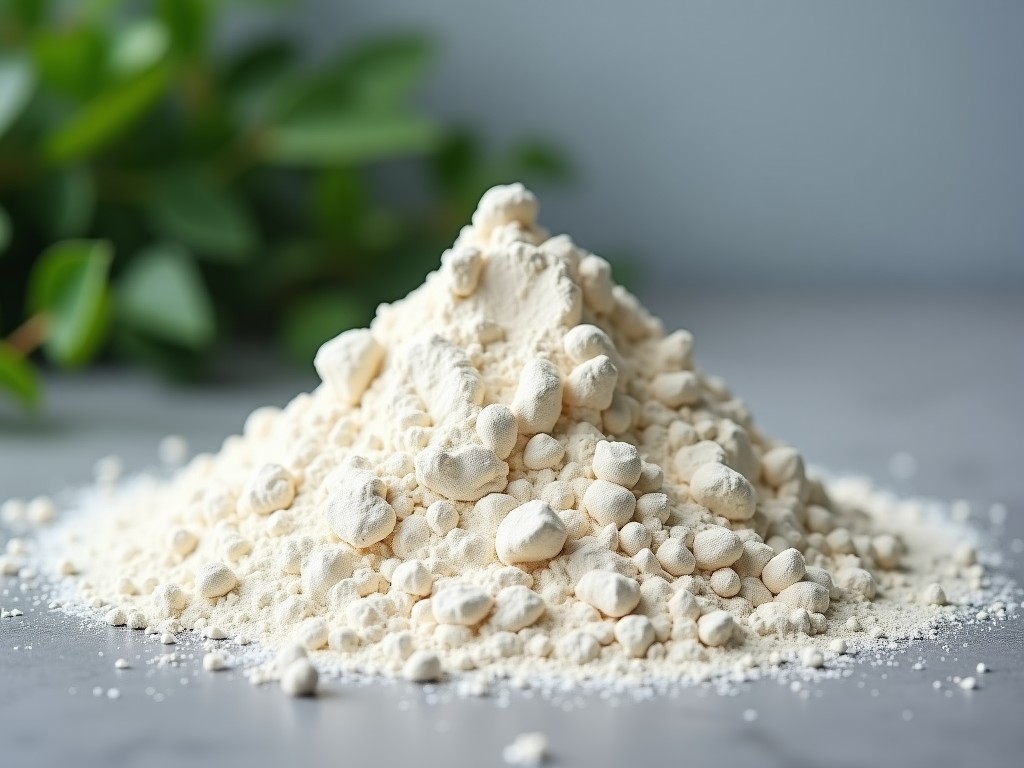
Kaolin clay, also known as china clay, is a soft white mineral composed primarily of kaolinite. Its low iron content and fine particle size make it suitable for applications requiring whiteness and chemical inertness. This page outlines the typical cost factors, material characteristics, and considerations for procurement.
Typical Material Properties
The following table lists common ranges for key properties of processed kaolin clay used in industrial applications. Values vary with source deposit and processing level.
| Property | Typical Range | Test Method (common) |
|---|---|---|
| Whiteness (ISO brightness) | 80‑95 % | ISO 2470 |
| Particle size (d50) | 2‑6 µm | Laser diffraction |
| Loss on ignition (LOI) | 12‑14 % | ASTM C25 |
| pH (10% slurry) | 4‑5 | ISO 787-9 |
| Specific gravity | 2.6‑2.65 g/cm³ | ASTM D854 |
Cost Influencing Factors
The price of kaolin clay is driven by several measurable variables rather than vague quality claims. Understanding these helps buyers compare quotes accurately.
- ">
- Deposit location – transportation distance from mine to plant adds freight cost proportional to tonnage and distance.
- Particle size distribution – finer grades require additional milling and classification, increasing energy consumption per ton.
- Moisture content – higher moisture raises drying expenses; typical shipped moisture is 0.5‑1.5 %.
- Chemical impurities – low iron and titanium content commands a premium for pigment applications; higher impurity levels reduce price.
- Order volume – volume discounts often appear above 500 t per shipment due to reduced handling overhead.
Indicative Price Range
Exact pricing depends on the factors above and current market conditions. The table below shows a representative range for bulk, dry‑bagged kaolin clay (FOB mine) based on publicly available data and typical supplier quotations.
| Grade (based on d50) | Price (USD per metric ton) | Typical Use |
|---|---|---|
| Coarse (d50 ≈ 15 µm) | 80‑110 | Cement filler, rubber compounding |
| Medium (d50 ≈ 5 µm) | 110‑150 | Paper coating, paint extender |
| Fine (d50 ≈ 2 µm) | 150‑210 | Ceramic glaze, catalyst support |
Typical Industrial Applications
Kaolin clay is selected when a combination of low abrasiveness, chemical stability, and controlled particle size is required. The following examples explain the functional reasons behind its use.
- ">
- In paper coating, the plate‑like particles improve gloss and ink hold‑out while keeping abrasion low on calendars.
- In polypropylene composites, kaolin acts as a nucleating agent, raising crystallization temperature and improving stiffness without significantly increasing melt viscosity.
- In ceramic bodies, the low fluxing effect of kaolin helps maintain shaping integrity during drying and firing, reducing warpage.
- In rubber formulations, the fine particles reinforce the matrix, contributing to tensile strength and abrasion resistance.
Quality Control Points
Suppliers typically verify key parameters before shipment. Knowing which checks are performed helps assess consistency.
- ">
- Particle size distribution measured by laser diffraction; reported d10, d50, d90.
- Whiteness tested via ISO brightness; reported as % reflectance at 457 nm.
- Chemical analysis (ICP‑OES) for Fe2O3, TiO2, and K2O to ensure impurity limits.
- Moisture content determined by loss on drying at 105 °C.
- Visual inspection for foreign inclusions and agglomerates.
Customization and Packaging Options
Buyers often request specific attributes to match process requirements. Typical options are listed below.
- ">
- Particle size tailoring – jet milling or air classification to achieve d50 between 1‑10 µm.
- Surface treatment – silane or coupling agent coating for improved polymer compatibility.
- Moisture control – dry‑bagged to ≤0.5 % or slurry form with defined solids content.
- Packaging – 25 kg multi‑wall paper bags, 500 kg bulk bags, or pneumatic tanker for bulk.
- Labeling – include batch number, property sheet, and safety data sheet.
Lead Time and Ordering Process
Production cycles depend on deposit availability and processing load. The table below shows typical timelines for standard grades.
| Order Quantity | Estimated Lead Time (working days) | Notes |
|---|---|---|
| <100 t | 10‑15 | Excludes special surface treatment |
| 100‑500 t | 15‑20 | May require blended lots |
| >500 t | 20‑30 | Includes vessel loading schedule |
To receive a formal quotation, provide the desired grade, target particle size, any surface treatment, quantity, and delivery terms (FOB, CIF, etc.).
Request a Quote
If you need a detailed cost estimate for your specific specification, please contact our sales team with the information outlined above.
Contact Us for Quotation