

China Best Calcined Kaolin Clay
China Best Calcined Kaolin Clay
Calcined kaolin clay is produced by heating selected kaolin deposits to temperatures typically between 650 °C and 950 °C. This thermal treatment removes chemically bound water, alters the crystal structure, and enhances properties such as brightness, abrasiveness, and chemical inertness, making the material suitable for demanding industrial applications.
Chemical Composition and Mineralogy
The primary oxides in calcined kaolin are silicon dioxide (SiO₂) and aluminum oxide (Al₂O₃), usually present in a ratio close to 1:1. Minor constituents include titanium dioxide (Fe₂O₃), potassium oxide (K₂O), and sodium oxide (Na₂O). Loss on ignition after calcination typically falls below 0.5 %, reflecting the removal of hydroxyl groups.
Physical Properties
- Brightness (ISO 2470): generally 85 % to 95 % depending on feedstock and calcination conditions.
- Particle size distribution (laser diffraction): d₅₀ values ranging from 1.5 µm to 6.0 µm are common; finer grades are achievable through classification.
- Specific gravity: approximately 2.6 g/cm³, consistent across grades.
- Abrasiveness (Mohs hardness): typically 2 to 3, suitable for use as a mild abrasive in polishing compounds.
- pH of aqueous slurry (10 % solids): usually between 4.5 and 6.0, indicating near‑neutral to slightly acidic behavior.
Manufacturing Process
Raw kaolin is first extracted from quarries, then subjected to wet‑screening and hydro‑cyclone classification to remove coarse impurities. The slurry is filtered, dried, and fed into a rotary kiln or flash calciner where temperature is precisely controlled. After calcination, the product is milled to the desired particle size, optionally surface‑treated, and packaged under dry conditions to prevent moisture uptake.
Quality Control and Testing
Each batch undergoes a standardized test regime that includes laser diffraction for particle size, spectrophotometric brightness measurement, loss on ignition via thermogravimetric analysis, and pH determination of a 10 % slurry. Results are compared against internal specifications that are aligned with ISO 12488 (kaolin for paper) and ASTM C613 (calcined kaolin for ceramics). Traceable documentation accompanies every shipment.
Applications in Industry
In paper manufacturing, calcined kaolin improves opacity and ink hold‑out while reducing abrasion on machine parts. In ceramics, it acts as a flux‑free filler that enhances green strength and reduces shrinkage during firing. The paint and coatings industry utilizes its high brightness and low oil absorption to achieve better hiding power and viscosity control. In rubber and plastics, the mineral reinforces mechanical properties and contributes to dimensional stability.
Technical Specifications
| Property | Typical Value | Test Method |
|---|---|---|
| Brightness (ISO 2470) | 88 % – 94 % | Spectrophotometry |
| Loss on Ignition (1000 °C) | <0.5 % | Thermogravimetric Analysis |
| d₅₀ Particle Size | 1.5 µm – 6.0 µm | Laser Diffraction |
| pH (10 % slurry) | 4.5 – 6.0 | pH Meter |
| Moisture Content | <0.2 % | Gravimetric (105 °C) |
| Specific Gravity | 2.58 – 2.62 | Pycnometry |
Customization Options
- Particle size grading: coarse (d₅₀ > 5 µm), medium (2 µm – 5 µm), fine (d₅₀ < 2 µm) achievable through air classification or wet grinding.
- Surface treatment: silane or fatty acid modifiers to improve polarity compatibility with polymers or resins.
- Moisture control: low‑moisture grades (<0.1 %) for hygroscopic environments, or controlled‑moisture grades for specific slurry viscosities.
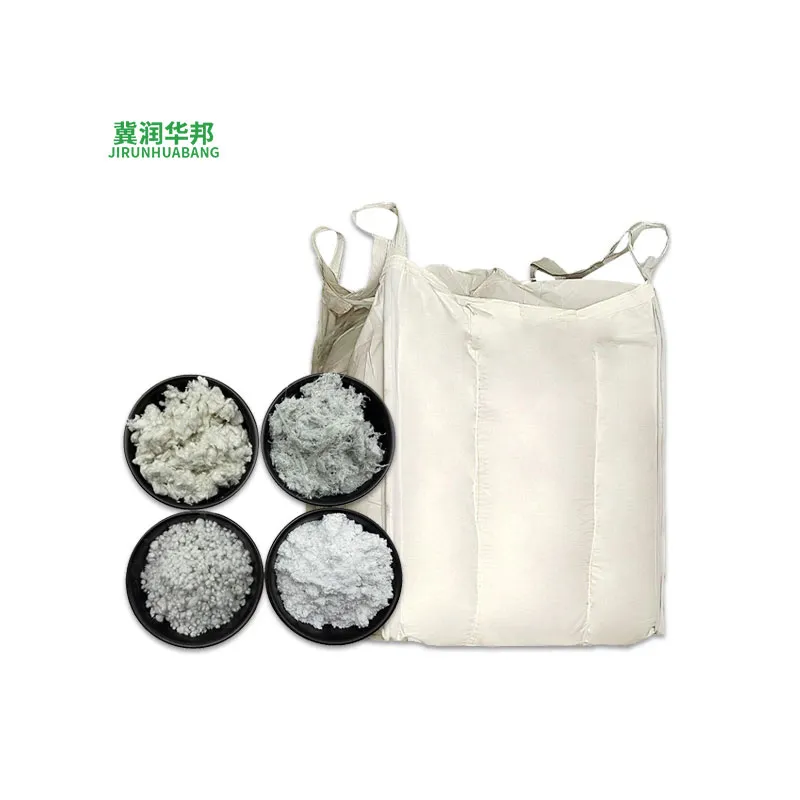
- Packaging: multi‑wall paper bags (25 kg), bulk FIBCs (500 kg–1000 kg), or moisture‑barrier liners for sea transport.
Frequently Asked Questions
Can dimensions be customized? Yes, particle size distribution and surface chemistry can be adjusted according to the end‑use specifications provided by the customer.
What information is required before quotation? Typical data include target brightness, d₅₀ range, intended application, order volume, and any required surface treatment or packaging.
What materials are available? We offer standard grades derived from domestic Chinese kaolin deposits, as well as blended grades that incorporate imported feedstocks for specific performance targets.
How is quality inspected? Each lot undergoes the tests listed in the technical specifications table, with results recorded on a batch‑specific certificate of analysis.
What packaging methods are available? Options range from 25 kg multi‑wall paper bags for easy handling to 1000 kg flexible intermediate bulk containers with inner polyethylene liners for moisture protection.
How are export shipments protected? Goods are palletized, stretch‑wrapped, and placed in containers with desiccant packs to maintain low humidity during transit.
What is the typical production lead time? Lead times vary from 2 weeks for stocked grades to 4‑6 weeks for customized grades, depending on order size and processing requirements.
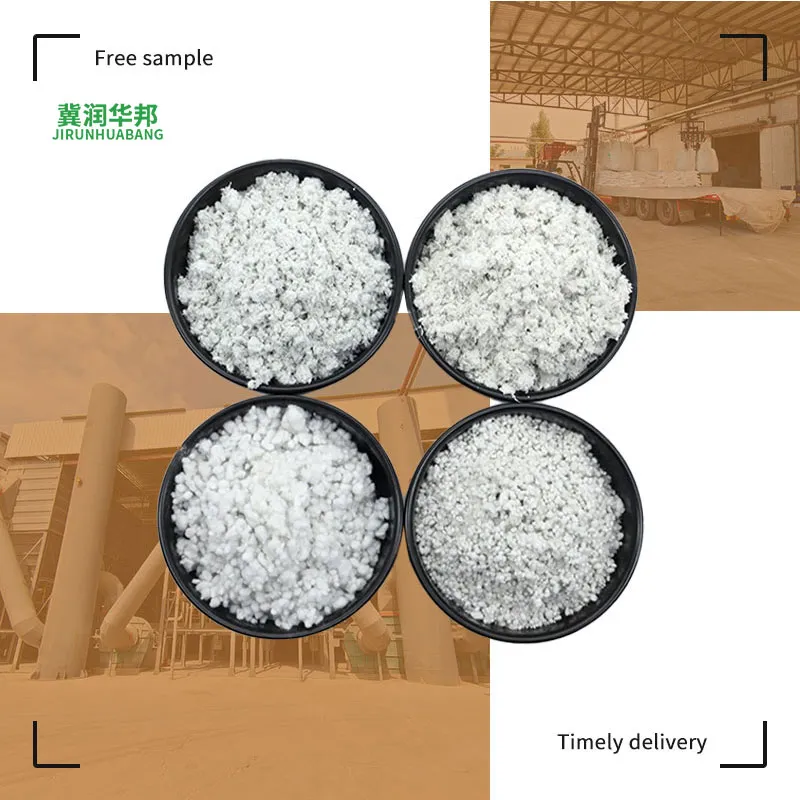
How are samples arranged? Representative samples (up to 1 kg) can be dispatched upon receipt of a technical request; larger trial quantities are discussed case‑by‑case.
Contact for Inquiry
To request a technical datasheet, discuss specific grade requirements, or obtain a formal quotation, please reach out to our sales team using the contact form below.